
How We Chose
To help families manage toddler routines with less stress and more smiles, we evaluated dozens of products based on parent feedback, developmental research, durability, and practical use in everyday life. Our list focuses on items that encourage independence, ease transitions, and foster positive habits—without overwhelming your home (or your child!).
#1 Time Timer MOD — Visual Time Management for Toddlers
Why it stands out
The Time Timer MOD makes abstract concepts like “five more minutes” visible and understandable for toddlers. Its color-coded disk slowly disappears as time passes, giving little ones a concrete sense of how much time remains for play, clean-up, or getting ready.
Best for
- Transitioning between activities
- Building patience and time awareness
- Morning and bedtime routines
Key notes
- Age/Stage: 2–5 years
- Materials/Ingredients: Durable plastic, silent operation
- Strengths: Intuitive, no loud ticking, portable
- Trade-offs: Requires gentle handling; not a toy for solo play
#2 Melissa & Doug Magnetic Responsibility Chart — Visual Routine Support
Why it stands out
This reusable chart helps toddlers see their tasks and track accomplishments with colorful magnets. From brushing teeth to picking up toys, it offers visual cues and instant rewards for sticking to routines.
Best for
- Establishing daily habits
- Encouraging responsibility
- Positive reinforcement
Key notes
- Age/Stage: 3–6 years
- Materials/Ingredients: Wood, magnets, non-toxic finish
- Strengths: Customizable, reusable, fosters independence
- Trade-offs: Small magnets may need supervision for younger toddlers
#3 Skip Hop Zoo Little Kid Backpack — Routine On-the-Go
Why it stands out
Making daily transitions smoother, this whimsical backpack lets toddlers carry their essentials—like a favorite toy, snack, or change of clothes—fostering responsibility and excitement for outings, daycare, or visits.
Best for
- Morning routines and departures
- Encouraging self-help skills
- Travel and outings
Key notes
- Age/Stage: 2–5 years
- Materials/Ingredients: BPA-free polyester, easy-clean lining
- Strengths: Lightweight, fun designs, toddler-sized
- Trade-offs: Smaller capacity; zipper requires adult help for youngest users
#4 The Original Bedtime Bunny Plush — Transitional Object for Sleep
Why it stands out
This ultra-soft plush bunny offers comfort and routine cues at naptime and bedtime. Many toddlers find that a familiar, cuddly companion helps them settle and signals when it’s time to rest.
Best for
- Bedtime and naptime routines
- Soothing separation anxiety
- Creating positive sleep associations
Key notes
- Age/Stage: 1+ years
- Materials/Ingredients: Hypoallergenic polyester, embroidery (no small parts)
- Strengths: Machine-washable, super soft, safe for toddlers
- Trade-offs: Needs regular washing; may become a must-have for sleep
#5 My Daily Routine Board by Lalo — Picture Schedule for Young Kids
Why it stands out
This sturdy board uses simple, engaging pictures to help toddlers understand and anticipate what comes next—from breakfast to playtime to bedtime. It’s ideal for pre-readers, easing anxiety around transitions and providing a sense of control.
Best for
- Visual learners
- Creating predictable routines
- Reducing power struggles
Key notes
- Age/Stage: 18 months–4 years
- Materials/Ingredients: Wood, magnetic cards, water-based paints
- Strengths: Simple visuals, customizable, easy to update
- Trade-offs: Cards can be misplaced; display requires wall space or tabletop area
#6 Munchkin Miracle 360 Trainer Cup — Encouraging Independent Drinking
Why it stands out
This spill-resistant cup supports toddlers as they transition from bottles to open cups. It’s easy to hold, helps prevent messes, and can be integrated into meal and snack routines for more independence and less cleanup.
Best for
- Mealtime routines
- Developing self-feeding skills
- Reducing spills
Key notes
- Age/Stage: 6 months–4 years
- Materials/Ingredients: BPA-free plastic and silicone
- Strengths: Easy to clean, dentist-recommended design, durable
- Trade-offs: Some toddlers may need help learning to use it
#7 OK to Wake! Alarm Clock & Night-Light — A Cue for Rest and Rise
Why it stands out
This gentle clock uses colors (like green for “OK to get up”) to help toddlers know when it’s time to stay in bed or start the day. It’s a simple way to promote consistent sleep and wake routines without constant reminders.
Best for
- Early risers
- Sleep training
- Establishing morning boundaries
Key notes
- Age/Stage: 2–6 years
- Materials/Ingredients: BPA-free plastic, LED light
- Strengths: Visual cues, easy for toddlers to understand, grows with child
- Trade-offs: Needs batteries or outlet; not a play toy
#8 Learning Resources Helping Hands Fine Motor Tool Set — Building Hand Skills for Everyday Tasks
Why it stands out
This playful set includes tongs, scoopers, and tweezers—all sized for little hands. These tools make practice fun, whether it’s during snack prep, play, or clean-up, and help toddlers build the dexterity needed for daily routines.
Best for
- Developing fine motor skills
- Meal prep and clean-up routines
- Occupational therapy-inspired play
Key notes
- Age/Stage: 3+ years
- Materials/Ingredients: BPA-free plastic
- Strengths: Engaging, versatile, supports independence
- Trade-offs: Supervision required for younger children; not for unsupervised play
Buying Tips
When selecting toys and tools to support toddler routines:
- Look for durable, easy-to-clean materials—toddlers are messy by nature!
- Choose items with simple, clear visuals for non-readers.
- Prioritize products that encourage independence but still allow for connection and guidance.
- Consider your child’s unique preferences—what excites one toddler may not engage another.
- Check for safety features and age-appropriate design, especially if small parts are involved.
Verdict
Supporting toddler routines doesn’t require a closet full of gadgets—these eight thoughtful picks offer structure, foster independence, and bring a sense of fun to daily transitions. Whether you’re navigating mornings, mealtimes, or bedtime, the right tools can help your toddler (and you!) feel more confident and calm. With the right mix of visual aids, comfort objects, and skill-building toys, you’ll be well on your way to smoother, happier days in 2025.
FAQ
+How can I help my toddler stick to a routine?
+Are visual routines helpful for children who aren’t talking yet?
+What’s a good way to introduce a new routine tool or toy?
+How do I know if a toy is safe for my toddler?
+What if my child loses interest in a routine tool?
+How can I keep routines flexible for busy days?
+Do I need to buy multiple items for every part of the day?

Top 8 Toys and Tools That Make Toddler Routines Easier (2025 Guide)
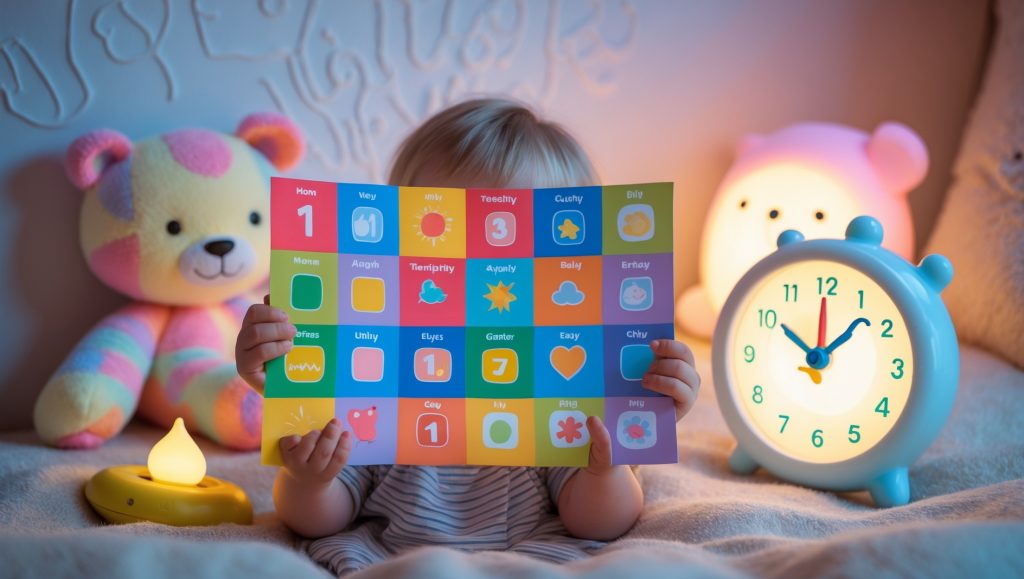
Helping toddlers navigate daily routines can be both rewarding and challenging. The right toys and tools can transform everyday moments—like getting dressed, mealtime, or bedtime—into enjoyable, manageable experiences for both kids and parents. In 2025, innovative products blend fun with function, supporting skill development while easing transitions. For example, interactive clocks with playful lights encourage toddlers to understand time, turning bedtime into a positive ritual. Colorful, easy-grip utensils make self-feeding less messy and more engaging, while dress-up dolls with zippers and buttons foster independence during getting-ready routines.
Many parents are also turning to routine charts with magnetic pieces, which empower toddlers to participate in planning their day. Sensory toys that double as calming tools—like soft, squeezable animals or textured fidget boards—help soothe big emotions during transitions. When selecting these items, look for durability, simple operation, and age-appropriate features. By integrating these top toys and tools into your routine, you can nurture your toddler’s confidence, reduce daily struggles, and create more joyful family moments.
- Interactive routine clocks for smoother bedtimes
- Magnetic routine charts for visual scheduling
- Self-feeding utensils and non-slip plates
- Sensory toys for calming transitions
My toddler gets really attached to bedtime toys, but sometimes it makes separating from them during the day tough. Do you have advice for easing that transition while still using something like the Bedtime Bunny Plush for sleep routines?
It’s completely understandable to want to help your toddler feel comfortable with transitions. Try making the Bedtime Bunny Plush a special part of your bedtime routine by keeping it in your child’s bed and letting your toddler ‘tuck in’ the bunny in the morning, so it stays safe until nighttime. You can also introduce a different, smaller comfort item for daytime, explaining that the plush needs its own rest. For toddlers, clear routines and gentle reminders often help with separation. Always check plush toys for loose parts or wear, and supervise toddlers under three. This isn’t medical advice; if you’re concerned, check in with your pediatrician.
With limited storage space at home, which of these routine helpers would you say provides the most benefit without adding clutter or requiring a lot of extra room?
It’s wise to consider space when choosing helpful tools for your toddler. Look for routine helpers that are compact or serve multiple purposes—like a visual schedule chart for the wall, or a timer that doubles as a nightlight. Stackable step stools can be stored easily and help with handwashing or toothbrushing routines. Magnetic responsibility charts on the fridge also take up little space. For toddlers, always make sure items are non-toxic and out of reach when not in use. This isn’t medical advice; if you’re concerned, check in with your pediatrician.
I’m curious how much supervision is recommended when using the Melissa & Doug Magnetic Responsibility Chart, especially for toddlers who are still prone to putting things in their mouth. Are there alternative visual routine charts that don’t use magnets for families with younger children?
It’s great that you’re thinking about safety and supervision with routine charts for toddlers. For children who still mouth objects, close adult supervision is essential with the Melissa & Doug Magnetic Responsibility Chart, as the magnets can be a choking hazard. You might try a visual routine chart that uses Velcro-backed cards or laminated images with removable stickers instead. These options avoid small magnetic pieces and are better suited for younger toddlers. Always keep charts and small parts out of reach when unsupervised. This isn’t medical advice; if you’re concerned, check in with your pediatrician.
My toddler has some sensory sensitivities and sometimes resists soft toys or textures. Is the Original Bedtime Bunny Plush suitable for kids with tactile aversions, or would it make more sense to try a different comfort item for winding down at bedtime?
It’s completely understandable to want bedtime routines to feel comforting, especially if your toddler has sensory sensitivities. If your child tends to resist soft toys or plush textures, the Bedtime Bunny Plush might not be the best fit right now. Instead, try offering a comfort item made from smooth cotton or a favorite blankie with minimal texture, letting your child choose what feels best. You could also explore non-fabric comfort objects, like a favorite book or a soft light. Always supervise toddlers with any bedtime item to ensure safety. This isn’t medical advice; if you’re concerned, check in with your pediatrician.
We try to keep bedtime consistent, but my child often struggles to settle down. Could using the Bedtime Bunny plush actually help signal when it’s time to wind down, or would it just become another toy that keeps her awake?
It’s so common for toddlers to resist winding down at bedtime, and your effort to build consistency is wonderful. The Bedtime Bunny plush can be helpful if used as a calm, special part of your routine—give it to your child only at bedtime and use it during quiet, soothing activities like stories, not play. Keep the room dim and voices soft, so the bunny signals sleep, not playtime. Make sure the plush is safe for your child’s age and free of loose parts. If sleep struggles continue, this isn’t medical advice; connecting with your pediatrician can help.
Do you have any tips for families with toddlers who are sensitive to new textures or sounds when using these tools, especially the plush bunny or the magnetic chart? My child sometimes resists items that feel different from what he’s used to.
It’s completely understandable to want your toddler to feel comfortable with new tools and toys, especially if they’re sensitive to textures or sounds. Try introducing the plush bunny or magnetic chart gradually, letting your child explore at their own pace—perhaps by just looking at or touching them for a few seconds at first. Offer choices: if the bunny’s texture is too much, maybe choose a familiar soft toy or gently rub the new toy against their sleeve. For the chart, allow your child to hear the magnets click from a distance before encouraging hands-on play. Always supervise, and be mindful of small parts with magnetic toys. This isn’t medical advice; if you’re concerned, check in with your pediatrician.
For toddlers who are a bit younger than the recommended age for the Melissa & Doug Magnetic Responsibility Chart, are there safe ways to adapt it, or would you suggest waiting until they’re three?
You’re thoughtful to consider whether the chart suits your younger toddler’s development. For children under three, you can adapt the chart by using only a few large, easy-to-handle magnets (avoid small pieces to prevent choking). Focus on simple, visual cues like pictures instead of words, and make it a shared activity, guiding their hands and talking through routines together. Always supervise your toddler during use. If your child loses interest or tries to mouth the pieces, it’s safer to wait until they’re older. This isn’t medical advice; if you’re concerned, check in with your pediatrician.
I’m curious if the Bedtime Bunny Plush could be combined with a bilingual bedtime book to help signal sleep time in both languages. Has anyone tried introducing language-specific cues with transitional objects?
Your idea of combining the Bedtime Bunny Plush with a bilingual bedtime book is thoughtful and can support your child’s sleep routine and language development. Try these steps: Choose a cozy, age-appropriate plush and a simple bilingual book with repetitive phrases. Each night, read the book and let your child hold the bunny, using a consistent phrase in both languages as a sleep cue. Keep the routine calm and brief, and supervise your toddler with the plush to ensure safety, especially under age 3. While research supports the use of routines and transitional objects, every child is different. This isn’t medical advice; if you’re concerned, check in with your pediatrician.
Has anyone found the Time Timer MOD helpful when trying to wind down for bedtime? My toddler tends to get really wound up in the evenings, and I wonder if this would help signal that playtime is ending in a way she understands.
It’s so common for toddlers to resist bedtime, especially when they’re full of energy. Many parents have found the Time Timer MOD useful because its visual countdown helps toddlers see when activities are about to end. Try introducing it during the evening routine: set the timer for the last 10-15 minutes of play, explain what’s happening, and let your child watch the red disk shrink. Pair it with a calm-down activity, like reading together, once the timer ends. Make sure the timer is placed where your toddler can see but not reach unsupervised. This isn’t medical advice; if you’re concerned, check in with your pediatrician.
We sometimes wind down with story time after bath, but it often turns into playtime instead of calming down. Would any of these tools help signal to my son that we’re moving from play to sleep more clearly?
It’s understandable to want a smoother transition from playtime to bedtime. Based on the article, you might try introducing a calming sound machine or a soft nightlight as a visual and auditory cue that story time means winding down. Create a simple bedtime routine chart with your toddler, using picture cards to show the steps—bath, story, then sleep. When story time begins, offer a special bedtime-only stuffed animal or blanket to reinforce the transition. Make sure all items are age-appropriate, with no loose parts or choking hazards, and supervise your child with new objects. This isn’t medical advice; if you’re concerned, check in with your pediatrician.
Some babies, like mine, are pretty sensitive to noises and textures. Are the products you mentioned soft enough for sensory-sensitive kids, and which one would be the gentlest introduction to routines for a baby under one?
It’s wonderful that you’re tuned in to your baby’s sensory sensitivities. For a baby under one, start with the softest, most simple items, like plush routine dolls or fabric routine books—these are gentle on delicate skin and typically free from harsh sounds or rough textures. Always check for baby-safe materials and avoid small parts that could be a choking risk. Introduce one item at a time during calm moments, and watch your baby’s reactions, stopping if they seem distressed. Every child is different, so adjusting based on your baby’s cues is key. This isn’t medical advice; if you’re concerned, check in with your pediatrician.
For potty training, which would work best to encourage independence: a visual timer like the Time Timer MOD or a picture-based schedule such as the My Daily Routine Board? I’m looking for something simple that my busy 2.5-year-old could understand.
It’s great that you want to support your toddler’s independence with potty training. For most 2.5-year-olds, a picture-based schedule like the My Daily Routine Board tends to be easier to understand because it uses familiar images and keeps steps concrete. Place the board at their eye level, walk through the pictures together, and use simple language as you go. Limit the number of steps to avoid overwhelm. If your child enjoys timers, try one briefly alongside the board, but watch for signs of confusion or distress. Always supervise and avoid small detachable pieces for safety. This isn’t medical advice; if you have concerns, check in with your pediatrician.
How do you suggest storing or rotating some of these routine tools, like the backpack and responsibility charts, in a small apartment? I want to help my neighbor keep clutter minimal but still have everything accessible for her toddler.
It’s great that you want to help your neighbor create an organized, clutter-free space for her toddler. Try mounting a few sturdy wall hooks near the entryway or play area for the backpack and charts—this keeps items visible and off the floor. Use a shallow storage bin or basket on a low shelf for smaller routine tools, so the toddler can reach them safely. Aim to rotate or swap out less-used items weekly, storing extras in a labeled box out of sight. Always ensure that hooks and bins are securely fastened to avoid accidents. This isn’t medical advice; if you’re concerned, check in with your pediatrician.
My toddler has some sensory sensitivities, especially with sounds and textures. Are any of these recommended tools particularly well-suited or not suitable for kids who are sensitive to noise or certain materials?
It’s great that you’re thinking ahead about your toddler’s sensory needs. In the article, the visual timer and weighted lap pad are generally well-suited for kids sensitive to sound and texture, as they offer calm, predictable support without noise or overwhelming materials. Avoid toys with surprise sounds or rough, bumpy textures—like the musical brushing timer or fuzzy sticker chart—if those are triggers. Always check the materials for your child’s specific sensitivities and supervise play. This isn’t medical advice; if you’re concerned, check in with your pediatrician.
Can the Skip Hop Zoo Little Kid Backpack fit a small blanket and a couple of books comfortably, or is it more suited for just a few small essentials? I want to make sure I don’t have to bring an extra bag while traveling.
It’s understandable to want a single bag for your toddler’s essentials while traveling. The Skip Hop Zoo Little Kid Backpack is designed for toddlers, so it’s quite compact. It can usually fit a small blanket (like a thin muslin) and a couple of board books, but it will be a tight fit—especially if you also need room for snacks or a water bottle. Try rolling the blanket tightly and choosing slim books. For safety, don’t overfill, as this may make the bag too heavy or difficult for a toddler to carry. This isn’t medical advice; if you have specific needs, check with your pediatrician.
My child sometimes gets really overstimulated by bright colors or busy visuals. Do you have any advice on whether the Time Timer MOD or the Melissa & Doug Responsibility Chart might be more calming for a sensory-sensitive toddler?
It’s understandable to want routine tools that feel calming rather than overwhelming for a sensory-sensitive toddler. The Time Timer MOD is generally more soothing because it’s simple, uses muted colors, and has minimal visual clutter compared to the Melissa & Doug Responsibility Chart, which features many bright pieces and pictures. Try introducing the Time Timer MOD with your toddler in a quiet space, and let them explore it at their own pace, always supervising the use. If you try a chart later, consider removing extra magnets to reduce visual input. This isn’t medical advice; if you’re concerned, check in with your pediatrician.
Would the Bedtime Bunny Plush or a similar comfort object be suitable for a toddler who sometimes gets overstimulated by textures in the early morning? I’m looking for something calming and simple to add to our quiet time routine.
It’s thoughtful that you’re looking for a calming comfort object to help your toddler during quiet time. For a child sensitive to textures, choose a plush or comfort object with a very soft, uniform fabric—avoid sequins, tags, or varied materials that might feel overwhelming. Introduce the object during a calm moment, letting your toddler explore it at their own pace. Observe for any signs of discomfort; some children prefer smooth cotton or a simple muslin cloth instead. Always supervise with new items and ensure there are no small parts or loose stitching. This isn’t medical advice; if you’re concerned, check in with your pediatrician.
We have a stubborn two-year-old who gets upset whenever we have to stop playing to get ready for bed. Does the Time Timer MOD really help with transitions at this age, or is it better suited for older toddlers?
It’s completely normal for two-year-olds to resist transitions—they’re still learning routines and self-control. The Time Timer MOD can be helpful at this age, but keep it simple: set the timer together, show the red segment shrinking, and use short, clear language. Pair it with lots of verbal reminders and gentle warnings before time is up. Stay nearby to offer comfort if your child gets upset. Always supervise to make sure the timer isn’t a distraction or toy. This isn’t medical advice; if you’re concerned, check in with your pediatrician.
For a toddler who gets attached to specific items (like the bedtime bunny), is it better to buy those favorites rather than risk them cycling out with a toy subscription plan?
It’s completely understandable to want consistency for your toddler if they have favorite comfort items. For items your child relies on daily, like a bedtime bunny, it’s wise to own them rather than risk the item being returned in a toy subscription. Keep a backup if possible in case the favorite gets lost. For variety and learning, you can still use toy subscriptions for less cherished items. Always make sure toys are safe, age-appropriate, and free from choking hazards. This isn’t medical advice; if you’re concerned, check in with your pediatrician.
My child is easily overwhelmed by new sounds and lights. Are any of these toys or tools particularly suitable for toddlers who are very sensitive to sensory input when routines change, especially in busy daycare settings?
It’s understandable to want toys that won’t overwhelm your sensitive toddler, especially during routine changes in busy settings. Choose toys from the list that focus on gentle tactile play, like soft silicone stacking cups or simple wooden puzzles, as these are less likely to trigger sensory overload. Avoid toys with flashing lights or sudden sounds. Offer new toys during calm moments at home first, so your child can explore at their own pace. Always supervise play, especially with items containing small parts. This isn’t medical advice; if sensory challenges persist or worsen, consider discussing them with your pediatrician.
Are there any specific safety certifications or labels you look for to confirm the products you recommend are safe from choking hazards, particularly regarding the small magnets and plastic parts in some of these items?
Your concern about choking hazards with small magnets and plastic parts is very valid. When choosing toddler toys, look for safety certifications like ASTM F963 (U.S. toy safety standard) or EN71 (European standard), as these require testing for small parts and magnets. Always check for the “not for under 3 years” warning labels, and inspect the toy for secure, well-attached components. For magnets, products should comply with the Consumer Product Safety Commission (CPSC) guidelines to prevent accidental swallowing. Always supervise play and avoid toys with loose or easily detachable small parts. This isn’t medical advice; if you’re concerned, check in with your pediatrician.
How do you suggest incorporating more budget-friendly versions of these routine tools if some of the recommended brands are out of reach financially? Are there any DIY alternatives that still help with smooth transitions, especially at bedtime?
It’s completely understandable to look for affordable ways to support your toddler’s routines. For bedtime transitions, you can make a simple visual schedule using drawings or photos of your child doing each step (like brushing teeth, changing into pajamas) and place them in order. Create a DIY bedtime sticker chart on a poster board to encourage your child’s involvement. If white noise machines are costly, try a fan or a free white noise app, keeping devices safely out of reach. For comfort, a homemade bedtime box with favorite books and soft, safe items can work well. This isn’t medical advice; if you’re concerned, check in with your pediatrician.
Our mornings often feel rushed, and it’s hard to keep track of which routine tools to use first. Do you suggest introducing only one new item at a time, or is it better to set up a whole routine system all at once for clearer structure?
Feeling rushed in the mornings is so common, and it’s great that you’re thinking about how to make routines smoother. For toddlers, introducing one new tool or routine step at a time can be less overwhelming and helps them focus on learning each part. Start with the item that will help most with your main challenge (for example, a visual schedule or a self-feeding utensil). Once your child gets comfortable, gradually add the next tool. Keep safety in mind—make sure each item is age-appropriate and supervise new activities until your child is confident. This isn’t medical advice; if you’re concerned, check in with your pediatrician.
Do you have any advice for introducing the Skip Hop Backpack as part of a morning routine when one twin is ready to be more independent and the other still resists change? I’d love to encourage self-help skills without causing frustration.
It’s completely understandable to want both twins to feel confident as they build new skills at their own pace. Start by letting each child choose a special item to put in their Skip Hop Backpack, creating a sense of ownership. For the more independent twin, you might encourage them to help pack or carry their backpack. With the more hesitant twin, keep it low-pressure—invite them to touch or open the backpack alongside you and gradually involve them in packing. Always supervise closely, especially for young toddlers, and avoid overloading backpacks. Remember, some children need more time with transitions, and that’s okay. This isn’t medical advice; if you’re concerned, check in with your pediatrician.
My toddler is almost 3 and often puts small things in her mouth. How safe are the magnets in the Melissa & Doug Responsibility Chart for this age group? Would you recommend holding off until she is a bit older?
It’s completely understandable to be concerned about small parts when your toddler still mouths objects. The magnets in the Melissa & Doug Responsibility Chart are not recommended for children under 3 because of choking and ingestion risks. For a nearly 3-year-old who still mouths things, it’s safest to hold off for now. Consider waiting until your child reliably keeps small items out of her mouth, and always use such toys under close adult supervision. This isn’t medical advice; if you’re concerned, check in with your pediatrician.
My toddler gets overwhelmed by too many choices at once. Can the routine boards or charts you recommend be simplified for children with sensory sensitivities, and do you have strategies for avoiding overstimulation during transitions?
You’re thoughtful to consider your toddler’s sensory needs during routines. Yes, routine boards and charts can absolutely be simplified—try using only 2–3 large, clear visuals at a time, and avoid bright colors or too much detail. Use velcro cards so you can remove steps as needed, and keep language very simple. During transitions, give a quiet verbal cue and allow a bit of extra time; some children also benefit from holding a familiar comfort object. Always supervise to ensure small pieces aren’t a choking hazard. This isn’t medical advice; if you’re concerned, check in with your pediatrician.
If someone is on a tight budget, which one or two routine tools from your list would you recommend starting with for a 7-month-old, considering they’ll need to grow into them a bit?
It’s great that you’re thinking ahead about useful, budget-friendly choices for your 7-month-old. For little ones this age, a simple, sturdy high chair and a set of soft sensory balls are both practical tools that can support routine and development as your baby grows. Choose a high chair with adjustable features and easy-to-clean surfaces for safe, supervised meal times, and opt for sensory balls that are large enough to avoid choking hazards. Both items will continue to be helpful well into toddlerhood. This isn’t medical advice; if you’re concerned, check in with your pediatrician.
I am concerned about small magnets on the Melissa & Doug Chart. My younger toddler still puts things in her mouth. Is there a safer way to support routine building at this age without the risk of small pieces?
It’s wise to be cautious about small parts when your toddler is still mouthing objects. For children under 3, avoid charts with magnets or detachable pieces due to choking risk. Instead, try creating a simple visual routine chart using large, laminated cards or photos of daily activities taped securely to the wall. You can point to these together each day. You might also sing songs about routines or use hand gestures to reinforce steps. Always supervise your child during activities involving any loose pieces. This isn’t medical advice; if you’re worried, check in with your pediatrician.
Do you have any recommendations for families on a budget who want to reinforce consistent bedtime routines in both English and Spanish? Are any of these products easy to adapt or DIY for bilingual households?
It’s wonderful that you want to build consistent, bilingual bedtime routines on a budget. You might try making your own picture routine cards with simple drawings and bedtime steps in both English and Spanish—laminate them or use clear tape for durability. You could sing a calming goodnight song in both languages, or alternate each night. For a DIY approach, set up a basket with favorite bedtime books in both languages, or record yourself reading a story so your toddler can listen along. Always choose age-appropriate, non-toxic materials, and supervise your child with small items. This isn’t medical advice; if you have concerns, consult your pediatrician.
My toddler just turned two and we are starting to see more bedtime resistance. Would you suggest beginning with the plush bunny or the visual schedule board at this age? I want to choose the most age-appropriate support before investing in both.
You’re thoughtful to look for age-appropriate ways to ease bedtime struggles. For a two-year-old, starting with the plush bunny is often helpful, as comfort objects are especially soothing for this age and can create a positive bedtime association. Introduce it as part of the routine, allowing your child to cuddle with it as you wind down together. If resistance continues, you can add a simple visual schedule board with clear pictures, but keep steps minimal to match your toddler’s understanding. Always supervise with any toy and check for safe materials. This isn’t medical advice; if you’re concerned, check in with your pediatrician.
My toddler has sensory sensitivities and sometimes finds certain materials uncomfortable. Do you know if the Bedtime Bunny Plush or the Skip Hop backpack use any textures or finishes that might bother kids who are sensitive to touch?
You’re right to consider texture when choosing toys for a sensory-sensitive toddler. The Bedtime Bunny Plush is made from very soft, short-pile fabric with minimal seams, but every child’s sensitivity is different, so it’s wise to feel it yourself first or let your child touch it in-store if possible. The Skip Hop backpack is constructed from smooth polyester with some lightly padded areas; it usually avoids scratchy tags but does have zippers and mesh pockets that could bother some kids. Always supervise initial play and introduce new materials gradually. This isn’t medical advice; if you’re concerned, check in with your pediatrician.
How do you suggest balancing toys or tools that have a clear educational purpose, like the Magnetic Responsibility Chart, with those that are more open-ended? Is there a risk of routines feeling too rigid for younger toddlers?
Your question about balancing structure with flexibility in toddler routines is thoughtful and important. For younger toddlers, mix educational tools like the Magnetic Responsibility Chart with open-ended toys such as blocks or pretend play items. Alternate between guided activities and free play throughout the day, keeping routines gentle and predictable but not overly strict. Observe your child’s cues—if they seem frustrated or disinterested, it may be time to switch activities or allow for more unstructured play. Always supervise with toys containing small parts, and choose materials that are safe and age-appropriate. This isn’t medical advice; if you’re concerned, check in with your pediatrician.
With limited storage space at home, do any of these routine helpers double up for multiple activities or store compactly when not in use?
It makes sense to look for versatile options when space is tight. Some of the tools in the guide—like collapsible step stools—fold flat for easy storage and can be used for hand washing, brushing teeth, or helping in the kitchen. Stacking cups or nesting containers serve as both bath toys and snack holders, saving space and adding function. Always choose age-appropriate items without small parts and supervise play, especially with items used in new ways. This isn’t medical advice; if you have specific safety concerns, please check in with your pediatrician.
If my toddler is a bit younger than the suggested age for the Melissa & Doug Magnetic Responsibility Chart (closer to two and a half), do you have any tips for safely using it together, especially since it has small magnets?
It’s great that you want to support your toddler’s routines while keeping safety in mind. For a younger child, always supervise closely during use and store the magnets out of reach when not in use. Try handling the magnets yourself, letting your child point or tell you where they go, which keeps the activity engaging but safer. Use just a few magnets at a time to minimize risk and reduce overwhelm. Consider substituting larger, homemade visual cues if your child is especially drawn to putting things in their mouth. This isn’t medical advice; if you’re concerned, check in with your pediatrician.
With the Skip Hop Zoo Little Kid Backpack, how much independence can a 2-year-old realistically have when packing up for daycare or outings? Should I expect to pack it with them, or is there a way to encourage more solo participation at this age?
It’s wonderful that you want to build your toddler’s independence. At age 2, most children need lots of help packing their backpack, but you can encourage participation in small, manageable steps. Try inviting your child to choose one or two familiar items, like a favorite comfort toy or their snack, and place them in the backpack together. Use simple language and visual cues, such as showing a picture checklist. Always supervise to ensure safety and avoid choking hazards from small objects. With time and repetition, your child will gradually gain more skills. This isn’t medical advice; if you’re concerned, check in with your pediatrician.
My toddler doesn’t always respond well to new routines or transitions. Are there any tips for introducing the Time Timer or responsibility chart without it causing more resistance or meltdowns at first?
It’s completely normal for toddlers to resist changes in routines. To ease the introduction of the Time Timer or a responsibility chart, start by using these tools during calm, low-pressure moments so your child can explore them without stress. Show how the Time Timer works with short, fun activities first—like timing snack time or play, rather than chores. For responsibility charts, let your toddler help pick out stickers or decide on simple tasks, making it feel like their chart. Always explain changes ahead of time in clear, simple language and use lots of praise for effort, not just success. Make sure charts and timers are free from small, detachable pieces that could be a choking hazard. This isn’t medical advice; if you’re concerned, check in with your pediatrician.
Sometimes our bedtime routine gets tricky because one parent handles it in English and another in Spanish. Are there toys or routine boards on your list that could help keep things consistent and avoid confusion for our toddler?
It’s wonderful that your child is growing up with two languages, and I understand wanting bedtime to feel smooth and predictable. Try using a visual routine board with simple pictures (like those mentioned in the article) so your toddler can follow along no matter which language is being used. You can also pick a bedtime comfort toy from the list that both parents use in their routine, creating a shared cue. Keep language clear and routines calm, and always supervise closely to ensure safety with small pieces. This isn’t medical advice; if you’re concerned, check in with your pediatrician.
Is there a budget-friendly option on your list that has worked well for potty training routines? We don’t want to invest in too many things right away, but we’d like at least one supportive tool to help with this transition.
It’s great that you’re looking for a practical, low-cost way to support your toddler’s potty training journey. From the article, the simple step stool stands out as a budget-friendly tool that many families find helpful. Choose a sturdy, non-slip stool so your toddler can reach the toilet or sink safely. Encourage your child to step up and down independently with supervision, turning it into a confidence-boosting part of the routine. Keep the stool clean and check that it’s age-appropriate, with no small parts or pinch points. This isn’t medical advice; if you’re concerned, check in with your pediatrician.
Some of these tools look like investments, and as my baby grows, our needs will change. Which items from your list do you think offer the best value or will last through multiple stages of routine development?
It’s wise to think about products that will adapt as your child grows. In the article, tools like a sturdy step stool, an adjustable booster seat, and easy-grip utensils tend to last through several stages, from early toddlerhood into preschool years. Look for items with adjustable features and easy-to-clean materials to ensure long-term use. Always check age and weight guidelines for safety, especially with items like stools or booster seats. This isn’t medical advice; if you’re concerned, check in with your pediatrician.
My toddler often gets frustrated with zippers on his backpack. Do you have any tips for helping little ones develop the fine-motor skills needed to use the Skip Hop Zoo backpack more independently, or should I be looking for an alternative closure type?
It’s completely normal for toddlers to get frustrated with tricky zippers as they build fine-motor skills. Try practicing with larger, chunky zippers on jackets or old bags first, using hand-over-hand guidance. You can also attach a ribbon or keyring to the zipper pull for an easier grip. Offer lots of encouragement and give your child time to practice when you’re not in a rush. For most toddlers, these skills improve with time, but if you notice persistent difficulties, a backpack with Velcro or magnetic closures can be a safe alternative. This isn’t medical advice; if you’re concerned, check in with your pediatrician.
My toddler sometimes gets overwhelmed with too many visuals or sounds before sleep. Would the Bedtime Bunny Plush or the routine boards you mention work for kids who are sensitive to sensory input, or do you recommend something different for naptime in bilingual households?
It’s very thoughtful of you to consider your toddler’s sensory needs before sleep. For children sensitive to visuals or sounds, the Bedtime Bunny Plush can be calming if it’s soft, scent-free, and doesn’t have built-in lights or music—always check for safe materials and no small parts. Routine boards should be kept simple: try a few clear pictures and avoid busy or brightly colored designs. In bilingual households, you can label the routine steps in both languages, but keep language simple and visuals minimal to avoid sensory overload. Observe your child’s reactions and remove anything that seems overstimulating. This isn’t medical advice; if you’re concerned, check in with your pediatrician.
My toddler can be picky about textures and certain fabrics, especially with plush toys. For the Original Bedtime Bunny Plush, do you have any tips for introducing it to sensitive kids who might need extra time to accept a new comfort object during travel?
It’s completely normal to want your toddler to feel comfortable with new textures, especially when traveling. Start by letting your child explore the Bedtime Bunny Plush at home first, with no pressure to cuddle or hold it—just let them touch or look at it at their own pace. You can gently introduce the bunny during a favorite activity, like reading or quiet time, so it feels safe and familiar. If your child prefers certain textures, try wrapping part of the bunny in a favorite blanket or placing it near, but not against, their skin. Always supervise early interactions, especially if your child tends to chew or mouth objects, to ensure safety. This isn’t medical advice; if you’re concerned, check in with your pediatrician.
For families with younger toddlers who still mouth objects, do you have extra safety tips when using the Magnetic Responsibility Chart since it has small magnets? I want to start routines early, but I’m nervous about potential choking hazards.
It’s completely understandable to feel cautious about magnets and small parts with mouthing toddlers. For children under three, avoid using charts with detachable magnets; instead, try a visual chart with large, non-removable stickers or laminated pictures. If you do use magnets, always supervise closely and keep the chart out of reach except during guided routine times. Regularly check that all pieces are intact and remove any that are damaged or loose. Safety is key at this age since magnets can be a severe hazard if swallowed. This isn’t medical advice; if you’re concerned, check in with your pediatrician.
Our child can get pretty anxious with loud or sudden noises—are any of these recommended tools especially suitable (or unsuitable) for kids who are sensitive to sounds or textures?
It’s completely understandable to want tools that make routines easier without overwhelming your child’s senses. From the list, soft silicone nightlights and visual timers tend to be quiet and gentle, making them suitable for noise- or texture-sensitive toddlers. Avoid electronic toys or alarm-based clocks, which can have loud sounds or startling alarms. Always check for smooth, non-irritating materials if your child is sensitive to touch, and supervise use to ensure safety. This isn’t medical advice; if you’re concerned about your child’s reactions, check in with your pediatrician.
My toddler is sensitive to loud noises and textures. Based on your recommendations, which of these routine helpers are the most sensory-friendly for kids who get overwhelmed easily?
It’s great that you’re looking for sensory-friendly options to support your toddler’s routines. From the list, consider soft, plush routine charts and silicone snack containers, as these are gentle to touch and don’t make noise. Choose visual timers with silent operation, avoiding those with ticking sounds or bright flashing lights. Stickers for reward systems can be a good choice if your child enjoys touching different materials—pick smooth, simple designs. Always supervise new toys or tools, and watch for any reactions to textures. This isn’t medical advice; if you’re concerned, check in with your pediatrician.
I’m curious about the Melissa & Doug Responsibility Chart. Since my son is just now turning 2, is it too early to start using it? The article says age 3–6, but I’m wondering if there’s a way to adapt it for younger toddlers who aren’t reading yet.
It’s great that you want to encourage responsibility early. For a just-turned-2-year-old, you can adapt the chart by using only 1–2 simple visual cues, like pictures or stickers, instead of written tasks. Focus on very basic routines such as ‘brush teeth’ or ‘put toys away,’ and model the actions together. Let your child place magnets or stickers with your help, emphasizing praise for effort. Always supervise closely, as small pieces could be a choking hazard at this age. This isn’t medical advice; if you’re concerned, check in with your pediatrician.
My toddler sometimes gets overwhelmed by bright colors and noisy toys—are all of these items fairly quiet and visually calm, or do some stand out as better options for sensitive kids?
It’s great that you’re tuning in to your toddler’s sensitivities. In the article, a few toys—like the soft stacking blocks and the simple wooden routine board—are designed with muted colors and make little to no noise, making them better suited for sensitive children. Avoid items with flashing lights or built-in sounds, such as the musical nightlight, which might be overstimulating. Always supervise play and check that the materials are safe for your child’s age. This isn’t medical advice; if you’re concerned, check in with your pediatrician.
My toddler sometimes gets overwhelmed by magnets or moving pieces, like with the Melissa & Doug Responsibility Chart. Do you have suggestions for making visual routine charts less distracting for kids who are sensitive to too many colors or objects?
It’s understandable to want routine charts to feel calm and manageable for a sensitive toddler. Try using a simple, monochrome or two-color chart with limited visuals—just basic shapes or one small image per task. Use Velcro dots or flip cards instead of magnets or moving parts to reduce sensory input and avoid choking hazards. Keep the chart visible but not in a high-traffic area, so it’s less overstimulating. Show only the tasks for that part of the day, covering or removing others to minimize clutter. This isn’t medical advice; if you’re concerned, check in with your pediatrician.
My toddler sometimes chews on things out of curiosity. I noticed the Melissa & Doug chart uses small magnets. Do you have any suggestions on how to safely include this in our routine, or should I hold off until my child is older?
It’s completely understandable to worry about small parts when your toddler is still exploring with their mouth. For safety, I recommend using the Melissa & Doug chart only with close adult supervision, keeping any loose magnets well out of reach when not in use. You could try taping the magnets securely to the board or displaying it out of your child’s reach, involving them by pointing to pictures together. For toddlers under age 3, or if your child is especially curious about putting things in their mouth, it might be best to hold off and choose a routine chart without small parts for now. This isn’t medical advice; if you’re concerned, check in with your pediatrician.
My toddler sometimes puts small objects in her mouth, so I am curious about the safety of the magnets in the Melissa & Doug Responsibility Chart. Would you recommend using this for a younger 2-year-old, or is it best to wait until she is a bit older?
It’s completely understandable to be cautious about choking hazards at this age. The Melissa & Doug Responsibility Chart includes small magnetic pieces, which could pose a risk if your toddler is still mouthing objects. For a younger 2-year-old, I recommend waiting until she’s a bit older and less likely to put items in her mouth. If you want to introduce routines now, consider using sticker charts, large fabric pieces, or visual schedules with photos instead. Always supervise closely with any small parts. This isn’t medical advice; if you’re concerned, check in with your pediatrician.
Do you have advice for rotating comfort objects like the Bedtime Bunny so my toddler doesn’t get overly attached to just one? I want to encourage sleep routines but also avoid big meltdowns if a favorite plush needs washing.
You’re thoughtful to plan ahead for your toddler’s attachment to comfort objects while supporting healthy sleep routines. Try introducing a small group of similar plush toys, rotating them every few days so no single one becomes irreplaceable. Make each toy part of the bedtime story or ritual, giving them turns to ‘help’ with sleep. Involve your child in gently washing their plush friends, making it a positive, supervised activity. For toddlers under three, always check for loose parts or wear to keep things safe. This isn’t medical advice; if you’re concerned, check in with your pediatrician.
My child is only two, but loves to imitate their older sibling’s routines. Is it okay to introduce the Melissa & Doug Responsibility Chart a bit early, or should we wait until they’re closer to three? Are there alternative ways to introduce responsibility concepts for younger toddlers?
It’s wonderful that your two-year-old wants to join in with their older sibling’s routines. At this age, the Melissa & Doug Responsibility Chart might be a bit advanced, mainly due to small parts and the abstract nature of the tasks. Instead, you can introduce responsibility by using simple, visual cues—like helping clean up toys together or putting laundry in a basket. Use lots of praise and hands-on guidance, making it playful and short. Always supervise closely to ensure safety. This isn’t medical advice; if you’re concerned, check in with your pediatrician.
Sometimes the toddler I watch has a hard time with loud or unexpected noises. Are all of these products suitable for kids with sensory sensitivities, or are there any on the list that might be too stimulating?
It’s thoughtful of you to consider sensory sensitivities when choosing toys and tools for your toddler. Some items on the list, like visual timer clocks and soft-textured comfort objects, are generally well-tolerated by sensory-sensitive children. However, electronic toys that beep, play music, or light up (like some interactive toothbrushes and talking routines boards) might be overwhelming for kids who are sensitive to sound or sudden lights. Always introduce new toys gradually, watch their reactions, and keep the environment calm. For very sensitive children, opt for quieter, non-electronic options. This isn’t medical advice; if you’re concerned, check in with your pediatrician.
With young siblings in the house, are there any options from your list that work well for both a 1-year-old and a 3-year-old, especially for joint routines like bedtime?
It’s great that you’re looking for ways to support both your 1-year-old and 3-year-old during bedtime routines. Shared soft toys, like a cuddly bedtime buddy, can comfort both ages as long as they have no small parts and are easy to clean. Sturdy board books with simple stories are safe and engaging for both toddlers to enjoy together with you. A toddler-friendly sound machine with calming noises is suitable for all ages—just keep it out of reach. Always supervise play and check manufacturer age guidelines. This isn’t medical advice; if you’re concerned, check in with your pediatrician.
Are there any safety concerns with letting a 3-year-old integrate household items into their play, especially for routines like bedtime or getting ready in the morning?
It’s wonderful that you want your 3-year-old to be involved in daily routines through play. At this age, supervision is key—choose household items without sharp edges, small detachable parts, or choking hazards. For bedtime, avoid cords, heavy objects, or anything with batteries unless designed for young children. Let your child help with soft, safe items, like picking pajamas or using a child-friendly toothbrush. Always check for allergens in lotions or soaps. This isn’t medical advice; if you have specific concerns, please ask your pediatrician.
How would you suggest using the Skip Hop Zoo Backpack to encourage independence for twins who often want the same items? Any tips to prevent mix-ups or meltdowns during busy mornings?
It’s thoughtful of you to want to support your twins’ independence, especially during hectic mornings. Try letting each child choose their own Zoo Backpack design, so they can easily tell them apart. Use name tags or keychains with their favorite color or shape for extra clarity. Help your twins pack their own bags together each night, making it a fun shared routine. In the morning, prompt each child to find and carry their own backpack. For toddlers, supervision is key to prevent swapping or confusion. This isn’t medical advice; if you’re concerned, check in with your pediatrician.
For a toddler who sometimes tries to chew on small objects, would the Melissa & Doug Magnetic Responsibility Chart be safe enough with supervision, or do you have tips to keep the magnets secure during use with a younger child?
It’s great that you’re thinking ahead about your toddler’s safety with toys that have small parts. For younger toddlers who tend to put things in their mouths, the magnetic pieces from the Melissa & Doug chart can pose a choking risk, even with supervision. If you choose to use it, try these steps: only use the chart during closely supervised times, keep all magnets stored out of reach when not in use, and consider substituting larger, homemade magnets that can’t fit in your child’s mouth. Always watch for loose pieces or wear. This isn’t medical advice; if you’re concerned, check in with your pediatrician.
Would you recommend using more than one tool from this list at the same time, like combining the routine board with the Time Timer MOD? Or is it better to introduce them one at a time to avoid overwhelming my toddler?
It’s great that you’re thinking about how to support your toddler without overwhelming them. For most toddlers, it works best to introduce one tool at a time—like starting with the routine board and letting your child get used to it before adding the Time Timer MOD. Once your toddler is comfortable, you can combine both tools to reinforce routines visually and with timing cues. Watch for signs of stress, and keep explanations simple. Always choose age-appropriate, safe options and supervise use. This isn’t medical advice; if you’re concerned, check in with your pediatrician.
Our child is very sensitive to textures and sounds. Do any of the toys or tools you listed work particularly well (or poorly) for kids with sensory sensitivities, especially during bedtime?
It’s great that you’re considering your child’s sensory needs, especially at bedtime. From the article, soft, weighted plush toys or gentle night lights tend to be soothing for kids sensitive to textures and sounds—just ensure the fabrics are hypoallergenic and there are no small detachable parts. Avoid toys with music, crinkly materials, or lights that flash, as these can overstimulate some children at night. Always supervise new items at first to see how your child reacts. This isn’t medical advice; if you’re concerned, check in with your pediatrician.
For families trying to reduce single-use plastics, do you have suggestions for alternative routine tools that are mostly made of wood or other sustainable materials without sacrificing function or safety for toddlers?
It’s great that you’re aiming for sustainability while supporting your toddler’s routines. Look for wooden step stools with non-slip pads for handwashing and brushing teeth. Bamboo plates and utensils are durable, easy to clean, and safe for little hands. For organizing, choose baskets made of woven cotton or natural fibers. When picking sustainable items, ensure all finishes are non-toxic and parts are smooth and splinter-free. Always supervise toddlers to prevent accidents. This isn’t medical advice; if you’re concerned, check in with your pediatrician.
My child struggles with sensory sensitivities and can get overwhelmed by loud or bright objects. Are the products on your list, like the Time Timer MOD and the Bedtime Bunny Plush, suitable for kids who need a calmer environment?
It’s understandable to want routine tools that won’t overwhelm a sensory-sensitive child. The Time Timer MOD has a quiet operation and simple design, but consider using it without the loud buzzer and placing it where your child can see but not be startled. The Bedtime Bunny Plush is soft and gentle; just check fabric textures and avoid scents or features that could irritate. Always supervise if your toddler still mouths toys, and remove small parts. For any new routine tool, introduce it gradually in a quiet, predictable way. This isn’t medical advice; if you’re concerned, check in with your pediatrician.
My toddler is sensitive to certain textures and sounds, especially at bedtime. I noticed you recommend the Bedtime Bunny Plush. Is it suitable for kids who might have sensory issues, and are there other soft or quiet routine tools that work well for bilingual families?
It’s understandable to want bedtime to feel soothing for your sensitive toddler. The Bedtime Bunny Plush is designed with ultra-soft, hypoallergenic fabric and contains no noisy elements, making it suitable for most children with sensory sensitivities, but always check for seams or tags that could irritate. For bilingual families, soft fabric books with simple text in both languages can gently support routines; choose those with quiet, varied textures for sensory exploration. Consider a dimmable nightlight and a white noise machine with adjustable volume, if your child tolerates those sounds. Always supervise new items, and monitor for any reactions. This isn’t medical advice; if you’re concerned, check in with your pediatrician.
My toddler is almost 2 but still tends to put things in her mouth. Do you think the Melissa & Doug Magnetic Responsibility Chart is safe to use at this age with close supervision, or should we wait until she’s older?
It’s completely understandable to be cautious about toys with small parts at this age. The Melissa & Doug Magnetic Responsibility Chart contains magnets that are not recommended for children under 3 due to choking hazards. Even with close supervision, curious toddlers can be quick and accidents can happen. I suggest waiting until your child is a bit older or using a visual chart with larger, non-detachable pieces instead. Always check for age recommendations and potential hazards. This isn’t medical advice; if you’re concerned, check in with your pediatrician.
When sticking to a bedtime routine on a tight budget, which one or two items from your list would you prioritize for a calmer, smoother evening with a three-year-old?
It’s great that you’re focusing on a calm bedtime routine, even with budget in mind. For a three-year-old, I’d prioritize a soft, comforting night light and a sturdy, basic picture book for bedtime reading. The night light can provide a gentle sense of security, while sharing a bedtime story helps your child wind down and connect. Both are age-appropriate and support relaxation without needing extra features or high costs. Always check that items meet safety standards for young children. This isn’t medical advice; if you’re concerned, check in with your pediatrician.
Do you have any insights on how well wooden toys hold up to daily toddler use compared to plastic alternatives like the Time Timer MOD? I want to choose products that last but are also environmentally conscious.
It’s great that you’re considering both durability and environmental impact for your toddler’s toys. Wooden toys are generally quite sturdy, especially when made from solid hardwood and finished with non-toxic coatings; they can withstand daily drops and rough play, but check for splintering and loose parts over time. Plastic toys like the Time Timer MOD are often lighter and can handle moisture or sticky hands but may crack if stepped on. For safety, always inspect toys regularly and supervise play, especially with younger toddlers. Choosing high-quality, certified materials in either option helps ensure longevity and safety. This isn’t medical advice; if you’re concerned, check in with your pediatrician.
For families on a tight budget, which item from your list would you say makes the biggest impact on easing daily routines? Could a DIY alternative work for any of these, or are the specific features important?
It’s great that you’re looking for ways to support smoother routines on a budget. The visual routine chart from the list often makes the biggest impact, since it helps toddlers know what to expect, reducing transitions stress. You can easily make a DIY version using paper, markers, and simple drawings or photos of daily tasks. Just be sure everything is safe for your child to handle—laminate paper or use thick card so it doesn’t tear easily, and avoid small parts. The most important feature is clarity, not fancy materials. This isn’t medical advice; if you’re concerned, check in with your pediatrician.
Do you have any tips for making bedtime less of a struggle for a toddler who gets very hyper in the evening, especially when introducing something like the Bedtime Bunny plush into the routine?
It’s completely normal to feel challenged by a toddler’s evening bursts of energy. Try starting quiet activities 30 minutes before bedtime, such as reading together or dimming the lights. Use the Bedtime Bunny plush as a cue—let your child help tuck Bunny in, signaling it’s time to settle down. Keep the bedtime routine consistent each night so your child knows what to expect. Make sure the plush toy is age-appropriate, with no loose parts, and supervise if your child is under 3. This isn’t medical advice; if you’re concerned, check in with your pediatrician.
We have a very sensory-sensitive kid who gets easily overwhelmed by new routines. Out of the products you listed, which have worked best for kids who might need extra reassurance or are slow to warm up to transitions?
It’s completely understandable to want extra support for a sensory-sensitive child facing new routines. From the products listed, visual schedules and soft, fidget-friendly comfort toys tend to work best for children who need more reassurance and gradual transitions. Start by introducing just one tool at a time—let your child explore it when calm, and practice routines together before new situations. Choose items without flashing lights or loud sounds, and always supervise play to ensure safety with textures or small parts. This isn’t medical advice; if you’re concerned, check in with your pediatrician.
Do you have recommendations for adjusting some of these tools as kids get closer to kindergarten age? For example, can the Time Timer MOD or the routine boards still be helpful for five-year-olds, or is it better to transition to something more advanced?
It’s great that you’re thinking about how to adapt routines as your child grows. Many tools like the Time Timer MOD and routine boards can still be very helpful for five-year-olds, especially as they gain independence and start preparing for kindergarten. You might try letting your child help set the timer themselves, or update the routine board by adding more words or using checklists rather than just pictures. Consider making the routines more collaborative, asking your child for input on which tasks to include or what order works best. Just be sure everything remains safe and age-appropriate—no small parts or sharp pieces. This isn’t medical advice; if you’re concerned, check in with your pediatrician.
Sometimes my child gets overwhelmed by too many steps at night. Between the routine boards and the plush toys, which would you recommend starting with for a child who has trouble with transitions, especially for soothing at bedtime?
It’s great that you want to support your child through tough transitions at bedtime. For a toddler who feels overwhelmed, I suggest starting with a plush toy as a comfort object—many children find the familiar texture soothing and it can help signal that it’s time to wind down. Once your child feels more secure, you could then introduce a simple routine board with just 2–3 clear, visual steps. Keep any plush toys age-appropriate (no small parts or loose stitching), and supervise their use to ensure safety. This isn’t medical advice; if you’re concerned, check in with your pediatrician.
My toddler is two and tends to put everything in her mouth, so I have some concerns about the small magnets on the responsibility chart. Do you have recommendations for an alternative visual routine tracker that is safer for younger children?
It’s completely understandable to worry about small magnets with a curious toddler. For a safer visual routine tracker, try using large, laminated picture cards with Velcro dots so your child can move and stick them onto a felt board or chart. Another option is a magnetic whiteboard with large, single-piece magnets designed for young children—just ensure they’re too big to swallow and labeled for ages two and up. You could also draw or print routine steps on a poster that your toddler can help decorate. Always supervise during play and check for wear and tear. This isn’t medical advice; if you’re concerned, check in with your pediatrician.
My toddler is easily overwhelmed by loud or sudden sounds. Since you mentioned the Time Timer MOD is silent, do you have any recommendations for other routine-supporting products on your list that are suitable for kids with sensory sensitivities?
It’s completely understandable to want gentle, sensory-friendly tools for your toddler’s routines. In addition to the silent Time Timer MOD, consider the visual routine charts using Velcro or magnets—they provide clear structure without noise. Soft, silicone night lights (like the one on the list) offer calming visual cues for bedtime transitions. Also, the textured fidget mats mentioned can help with focus and comfort, but check for age-appropriate materials to avoid choking risks. Always supervise new items until you know your child’s reactions. This isn’t medical advice; if you’re concerned, check in with your pediatrician.
I’m wondering about the small magnets on the Melissa & Doug Responsibility Chart. If my child is still prone to putting things in their mouth, would you suggest waiting until closer to age 3 before using it or are there any alternatives that avoid small parts?
It’s great you’re thinking about safety with your toddler’s toys. If your child is still mouthing objects, it’s wise to wait until age 3 or until this phase has passed before using toys with small magnets like the Melissa & Doug Responsibility Chart, as magnets can pose a serious swallowing risk. In the meantime, you might try a large, laminated picture chart with Velcro pieces or simple sticker charts that don’t involve removable small parts. Always supervise closely and store reward items out of reach when not in use. This isn’t medical advice; if you’re concerned, check in with your pediatrician.
It sounds like a lot of these items encourage independence, but do you recommend introducing all of them at once, or is it better to build routines by adding one new tool over time to avoid overwhelming my toddler?
You’re thoughtful to consider your toddler’s comfort with new routines and tools. It’s generally best to introduce one new tool or toy at a time, so your child has a chance to explore it and build confidence without feeling overwhelmed. Start with the tool that fits your current routine needs most, and let your toddler get used to it for a week or two. Watch for signs they’re ready before adding another. Make sure each item is age-appropriate and supervise at first, especially if there are small parts or unfamiliar textures. This isn’t medical advice; if you’re concerned, check in with your pediatrician.
Some of these tools sound wonderful but can add up cost-wise. Are there any low-cost alternatives or DIY ideas you recommend that still support building independence and routine for toddlers?
It’s completely understandable to want options that fit your budget while still helping your toddler grow independent. Try using a simple visual schedule made from paper and pictures to guide daily routines. Set up a ‘getting ready’ basket with essentials within easy reach to encourage self-care. Repurpose a sturdy step stool for bathroom and kitchen tasks so your child can help safely. You can also use kitchen timers to build understanding of time for transitions. Always ensure items are age-appropriate, free of choking hazards, and used under supervision. This isn’t medical advice; if you’re concerned, check in with your pediatrician.
Storage space is tight in our apartment, and I’m trying not to buy things we won’t use for a while. Which of the products on this list would you recommend we get early that will really grow with our child, starting from infancy through toddlerhood?
It’s great that you’re thinking ahead about both space and long-term use. Look for versatile items like stackable nesting cups or soft blocks, which are safe for infants (watching for small parts or choking hazards) and remain fun and educational for toddlers. A simple, sturdy step stool can also support routines from early standing to independent hand-washing later on. Prioritize toys and tools that serve multiple functions and store easily. This isn’t medical advice; if you’re concerned, check in with your pediatrician.
The Time Timer MOD looks like a great way to help my 3-year-old transition between activities, but I’m not sure how best to introduce it without making her feel rushed. Could you share any Montessori-inspired ideas on using visual timers gently, so it supports rather than stresses out sensitive toddlers?
It’s wonderful that you’re looking to support your child’s transitions in a gentle, respectful way. To introduce the Time Timer MOD, try first using it together during calm play, letting her explore the timer with you and explaining that it helps everyone know when it’s time to move to something new. Offer a five-minute warning before starting the timer, and use simple language to describe what will happen next. Allow your child to help set the timer, giving her a sense of control. Keep the timer visible and avoid sudden sounds; you can narrate the color change as a cue rather than a countdown. This approach is age-appropriate and Montessori-aligned for a sensitive three-year-old. This isn’t medical advice; if you’re concerned, check in with your pediatrician.
My three-year-old gets really wound up right before bed and has trouble switching gears. Do you think the Time Timer MOD would work for helping him settle down, or is it better suited for morning routines?
It’s understandable to want bedtime to go more smoothly for your little one. The Time Timer MOD can be helpful for bedtime as well as morning routines, since it gives clear visual cues about how much time is left. Try setting the timer for the bedtime routine—like 10 minutes for reading or brushing teeth—so your child can see when it’s time to transition. Keep the bedtime atmosphere calm and use the timer as a gentle signal, not a countdown to pressure. Always supervise its use, and make sure it’s placed out of reach if your child is likely to play with it as a toy. This isn’t medical advice; if you’re concerned, check in with your pediatrician.
For parents on a tighter budget, which two items from your list tend to offer the biggest impact for supporting daily routines, especially if space and spending are both concerns?
It’s wonderful that you’re looking for budget-friendly ways to ease routines with your toddler. From the list, a visual routine chart and a step stool are two items that often have a big impact without taking up much space or costing a lot. 1) Try creating a simple visual routine chart using pictures and stickers—this helps toddlers know what’s coming next and builds independence. 2) A sturdy, non-slip step stool lets your child reach the sink or toilet safely, encouraging self-care skills. Both support daily routines and are generally suitable from around 18 months under supervision. This isn’t medical advice; if you’re concerned, check in with your pediatrician.
My toddler sometimes gets overwhelmed by bright colors or too much noise. Are any of these recommended tools especially good for children with sensory sensitivities, or are there modifications you suggest to make routines less overwhelming?
It’s great that you’re tuned in to your toddler’s sensory needs. From the recommended tools, look for items with soft, muted colors and avoid those with flashing lights or loud sounds—simple stacking cups or wooden puzzles can be gentler choices. For routine helpers like visual timers, choose ones with clear, calm visuals instead of bright or spinning designs. If using reward charts, opt for tactile stickers or tokens over glittery or noisy options. Always supervise and check for small parts to ensure safety. This isn’t medical advice; if you’re concerned, check in with your pediatrician.
For toddlers who are picky about participating in routines like cleaning up or getting dressed, do you have suggestions for making these tools more engaging? I am curious how to encourage my child to actually use things like the routine board or responsibility chart.
It’s completely normal to want routines to feel fun rather than a struggle for your toddler. Try letting your child place their own stickers or move magnets on the responsibility chart after each task—they love immediate, hands-on feedback. Turn routine steps into a game, like a race to match socks or a treasure hunt for toys during cleanup. Use the routine board together, narrating what comes next in simple words. Keep tasks very short and age-appropriate, and supervise closely, especially with small parts. This isn’t medical advice; if you’re concerned, check in with your pediatrician.
My child can be sensitive to certain textures and sounds. Have you found that the materials in the Skip Hop Zoo Little Kid Backpack or the Bedtime Bunny Plush work well for kids with sensory issues, or are there alternative picks you’d suggest from your list?
It’s great that you’re thinking about your child’s sensory sensitivities. The Skip Hop Zoo Little Kid Backpack is made from smooth, lightweight polyester, which many children tolerate, but some may find the zippers or mesh pockets a bit rough or noisy. The Bedtime Bunny Plush has a very soft, velvety feel and minimal noise, making it a gentle choice for most kids with tactile sensitivities. If you’d like alternatives, consider the Melissa & Doug Wooden Puzzle for its solid, quiet pieces or the Silicone Stacking Cups, which are soft, quiet, and easy to grip. Always supervise for small parts and test new items with your child in short, positive sessions. This isn’t medical advice; if you’re concerned, check in with your pediatrician.
My baby just turned 7 months, and we’re starting to think about establishing routines. Do you have any recommendations from your list that would work for babies under a year old, or are these mostly for older toddlers?
It’s great that you’re thinking about routines early on—this can really help your baby feel secure. From the article’s list, items like soft sensory toys or simple board books can be helpful for babies under a year, especially for bedtime or winding down routines. Choose toys with large, chew-safe parts and avoid anything with small pieces or loose stuffing. At this age, interactive play with you is just as important as the toys themselves. Always supervise play, and make sure items are easy to clean. This isn’t medical advice; if you have specific concerns, check in with your pediatrician.
My little one is just starting daycare and is sometimes sensitive to certain textures and noises. Are the toys and tools on this list suitable for toddlers with sensory sensitivities?
It’s completely understandable to want toys and tools that support your child’s comfort, especially during big transitions like starting daycare. Many of the items in our list, such as soft sensory balls and quiet fidget tools, are chosen for their gentle textures and low noise, making them generally suitable for toddlers with sensory sensitivities. Start by introducing one new item at a time at home so your child can get used to it in a safe, familiar space. Always supervise play, and check for small parts, strong scents, or rough surfaces that might be bothersome. This isn’t medical advice; if you’re concerned, check in with your pediatrician.
We live in a small apartment and try to avoid clutter. Which of these routine helpers would you recommend if we are limited on storage space but want something that really makes a difference in daily routines?
It’s great that you’re mindful about space while wanting to support your toddler’s routines. For small apartments, consider a compact visual schedule chart you can hang on the wall—it helps toddlers understand routines without taking up floor space. A foldable step stool is also helpful for handwashing or brushing teeth, and can be tucked away when not in use. Multi-purpose toys, like a busy board that mounts on the wall, offer engagement without extra clutter. Always check for sturdy construction and age-appropriate features to keep your child safe. This isn’t medical advice; if you’re concerned, check in with your pediatrician.
If my toddler loves pretend cooking with pots, pans, and wooden spoons, are there ways I can integrate these everyday items into our routine to help with transitions like cleanup time or getting ready for bed?
It’s wonderful that you want to use your toddler’s love of pretend cooking to ease transitions. Try making cleanup time into a “kitchen closing” routine—pretend to wash dishes together and put everything away as if cleaning up a restaurant. Before bed, invite your child to ‘cook’ a bedtime snack for their stuffed animals, then tidy up together afterward. Keep all items child-safe (no sharp edges or breakable materials) and supervise closely. Simple routines that use familiar objects can help toddlers feel more secure during transitions. This isn’t medical advice; if you’re concerned, check in with your pediatrician.
How do you recommend storing or rotating these routine tools and toys so they are accessible but not cluttering up our living space? We have a fairly small apartment and I want to avoid overwhelming my toddler.
It’s great that you want to keep your space tidy and make routines easier for your toddler. Try using shallow bins or baskets to group similar toys and routine tools and store them on a low shelf your child can reach. Pick just a few items to keep out at a time, and rotate the rest weekly—this keeps things fresh and minimizes clutter. Clear containers or labels with pictures can help your toddler find and put away items. Always check that storage bins are sturdy, have no sharp edges, and avoid lids that could pinch little fingers. This isn’t medical advice; if you have concerns about your child’s safety or development, check in with your pediatrician.
My child tends to avoid anything with loud noises, so I liked that the Time Timer MOD is silent. Are there any other products in your list that are especially good for kids who get overwhelmed by sounds or bright lights?
It’s great that you’re looking out for your child’s sensitivities. Besides the Time Timer MOD, the article suggests the Montessori Wooden Routine Board and the Soft Sensory Trays—both are silent and visually gentle, making them good fits for kids who avoid loud noises or bright lights. When choosing routine tools, opt for items with muted colors and natural materials, and avoid features like flashing lights. Always supervise play to ensure safety, especially with small pieces. This isn’t medical advice; if your child’s sensitivities seem to impact daily life a lot, consider checking in with your pediatrician.
If we’re trying to pack light for weekend trips, would you recommend bringing both a plush comfort toy like the Bedtime Bunny and a routine tool like the Time Timer, or is one more helpful for traveling toddlers?
It’s great that you’re thinking about what will help your toddler feel secure and settled while traveling. For short weekend trips, a plush comfort toy like the Bedtime Bunny can provide familiar reassurance and help with sleep in a new environment. If space is limited, the comfort toy is often more immediately soothing than a routine tool. However, if your toddler is used to visual cues for routines—like the Time Timer—consider bringing just the smaller or travel version of it. Make sure any toy is age-appropriate and safe for travel, with no small parts. This isn’t medical advice; if you’re concerned, check in with your pediatrician.
I’m trying to streamline our morning rush and avoid meltdowns. Based on your list, do you recommend prioritizing a visual schedule board or the magnetic chart for helping a 3-year-old transition smoothly in the morning? Are there particular strategies that work better for kids who resist routine changes?
It’s so understandable to want calmer mornings with a 3-year-old. For this age, a visual schedule board is usually more effective: it gives clear, simple cues and helps them anticipate what’s next. Start by introducing just a few key steps with pictures, and walk through it together each day. Let your child move the pieces or mark off completed tasks to boost cooperation. If your child resists changes, give gentle, consistent warnings before each transition, and keep the routine as predictable as possible. Always supervise use of any small pieces. This isn’t medical advice; if you’re concerned, check in with your pediatrician.
My toddler is almost three but still puts things in her mouth sometimes. I’m a bit concerned about the small magnets in the Melissa & Doug Responsibility Chart. Do you have recommendations for safer alternatives, or are there specific supervision strategies that work well with this chart?
It’s completely understandable to be cautious when your toddler still mouths objects, especially with small magnets involved. For safety, you might create your own responsibility chart using large paper, stickers, or Velcro dots, which are less likely to pose a choking risk. If you decide to use the Melissa & Doug chart, always supervise closely during use and store magnets out of reach afterwards. Opt for activities that use large, non-detachable pieces if you’re using charts or reward systems. Remember, it’s normal at this age to explore with their mouths—if you’re worried or notice persistent mouthing, check in with your pediatrician.
My toddler has some sensory sensitivities, especially to certain textures and noises. Are there particular recommendations among your top picks that work well for kids with sensory issues, or are any of the listed toys less likely to be overwhelming?
It’s completely understandable to want toys that won’t overwhelm your sensory-sensitive toddler. Among the top picks, look for toys with soft fabrics, simple designs, and quiet features, like the plush routine chart or textured stacking cups, which offer gentle tactile experiences without loud sounds. Avoid options with flashing lights, harsh noises, or sticky/stiff textures, as these might be too stimulating. Always supervise play and introduce new textures gradually, letting your child lead the pace. This isn’t medical advice; if you’re concerned, check in with your pediatrician.
My toddler is on the younger side, just turning two. Would the Melissa & Doug Magnetic Responsibility Chart be adaptable enough for this age, or does it work better for slightly older kids who understand more complex routines?
It’s great that you’re thinking about supporting your little one’s routines early on. For a just-turned-two-year-old, the Melissa & Doug Magnetic Responsibility Chart may be a bit advanced, as many two-year-olds are still developing basic understanding of routines and may not fully grasp abstract concepts like ‘responsibility.’ You could try using just a few simple magnets for concrete daily tasks, like brushing teeth or picking up toys, and focus on colorful visuals rather than written words. Always supervise, as the magnets are small and could pose a choking hazard. This isn’t medical advice; if you’re concerned, check in with your pediatrician.
We’re on a tight budget and I’m weighing which item would help morning routines the most for a toddler who hates being rushed. Would the routine board or the little backpack make more of an impact for encouraging independence at that age?
It’s understandable to want to choose the most helpful tool when mornings feel rushed. For most toddlers, a visual routine board often makes the biggest impact on encouraging independence—seeing each step helps them know what to expect and take action at their pace. Try making a simple DIY version with pictures, and introduce it as a fun part of the morning, letting your child move or check off each step. The little backpack is great for older toddlers carrying their own items, but for morning routines at home, the board usually supports smoother transitions. Make sure all pieces are safe for your child’s age. This isn’t medical advice; if you’re concerned, check in with your pediatrician.
Are there any safety considerations for adapting visual schedule tools for babies under one, especially since they tend to put everything in their mouths and are drawn to bright colors and textures?
You’re right to be cautious about introducing visual schedule tools for babies under one, given their tendency to mouth objects and their attraction to colorful, textured items. Choose materials that are large enough not to be a choking hazard and free from small detachable parts. Opt for sturdy, non-toxic, and easy-to-clean surfaces, like laminated pages or fabric with securely attached images. Supervise closely during use and avoid any elements with sharp edges. For this age, simple, high-contrast visuals are best, and interactive time with you is more beneficial than independent use. This isn’t medical advice; if you have concerns, please reach out to your pediatrician.
Could you recommend which of these tools would work best for a toddler who gets easily overwhelmed by too many steps in their bedtime routine? We want to simplify without losing consistency.
It’s great that you want to simplify bedtime for your toddler while staying consistent. Based on the article, a visual routine chart with simple pictures can help break down the routine into just a few clear steps—this way, your child knows what to expect next without confusion. Stick to 3–4 main steps, like brushing teeth, putting on pajamas, and reading a story. Use soft, calming nightlights instead of multiple gadgets to avoid overstimulation. Choose sensory-safe items, avoiding small parts or anything too bright for bedtime. This isn’t medical advice; if you’re concerned, check in with your pediatrician.
My child is easily distracted and sometimes gets upset with transitions, especially when it’s still quiet in the house. Does the Time Timer MOD work well for slower-paced, peaceful mornings, or is there a better option here for gentle cues?
You’re thoughtful in wanting to support your child during transitions, especially in calm, quiet settings. The Time Timer MOD can be helpful even for peaceful mornings, as its visual countdown is silent and unobtrusive. To use it gently, show your child the timer before starting and explain what will happen when time is up. Set the timer for slightly longer than needed to allow a relaxed pace. Pair the timer with a soft verbal cue or a favorite song to signal transitions. Always supervise and ensure the timer stays out of reach if your toddler still mouths objects. This isn’t medical advice; if you’re concerned, check in with your pediatrician.
My toddler sometimes tries to take apart toys out of curiosity, especially anything with moving parts or magnets. How safe is the Melissa & Doug Responsibility Chart in terms of choking hazards if you have an adventurous three-year-old?
It’s great that you notice your toddler’s curiosity and want to keep them safe. The Melissa & Doug Responsibility Chart uses magnetic pieces, which can pose a choking risk if a child removes and mouths them. For a curious and adventurous three-year-old, always supervise play with this kind of chart. Consider storing the magnets out of reach when not in use, and only bringing out a few at a time during routine discussions. Check regularly for any loose or damaged magnets. This isn’t medical advice; if you’re concerned, check in with your pediatrician.
Do you have any guidance for adapting these routine tools so that my child can stay on track during weekends at grandma’s, where meal routines can be very different and there are usually lots of special snacks and treats?
It’s understandable to want your child to feel secure and stick to routines even when visiting grandma’s house. Try sending a familiar routine tool from home, like a favorite plate or timer, to provide consistency. Involve your child in setting simple expectations for meals and snacks before the visit, using visuals if that helps. Share your child’s usual routine with grandma so she can support it, while also allowing for some flexibility around special treats. Remind your child gently about mealtimes and snack limits, focusing on making it fun and positive. This isn’t medical advice; if you’re concerned, check in with your pediatrician.
In your experience, does the Backpack from Skip Hop hold up to daily use, especially with kids who like to stuff in extra toys and snacks? Or are there better options for durability at this age?
It makes sense to want a backpack that can keep up with your toddler’s active daily routine. The Skip Hop backpack is popular for its fun designs and toddler-friendly size, but for kids who really pack it full, the seams and zippers may wear faster over time. Try to limit the load to lightweight items and supervise packing to avoid overstuffing. For extra durability, some parents prefer small packs made for preschoolers, which use reinforced stitching and thicker fabric. Always check for choking hazards, loose parts, and ensure the size fits your child’s back comfortably. This isn’t medical advice; if you’re concerned, check in with your pediatrician.
We are starting to introduce new foods, including potential allergens, as part of our daily routine with our 9-month-old. Would any of the routine charts or boards be helpful at this stage, or are they more for older toddlers?
It’s great that you’re thoughtfully introducing new foods and routines with your 9-month-old. At this age, visual routine charts or boards are typically most useful for older toddlers who understand pictures and can follow simple instructions. For infants, focus on consistent mealtime patterns and narrate what you’re doing, which helps them feel secure. You can gradually introduce simple picture cues as your child approaches 12-18 months. Always supervise closely during eating, especially with new foods and potential allergens. This isn’t medical advice; if you’re concerned, check in with your pediatrician.
Do you have any advice for using the backpack as part of the evening routine to help kids get ready for the next day, or is it mostly meant for mornings?
—planning ahead in the evening can make mornings less stressful for both you and your toddler. Try setting out the backpack together after dinner, letting your child help choose which comfort item or favorite book to pack. Make it a fun, short checklist: snack, water bottle, hat, or any special item needed for the next day. Keep the backpack accessible but out of reach of babies, especially if it contains small items. This little routine helps build independence and predictability, which toddlers thrive on. This isn’t medical advice; if you have specific concerns, check in with your pediatrician.
If my toddler gets super attached to his bedtime plush, how do you recommend keeping a backup without him noticing? We had a meltdown once when his old comfort toy went missing and I’m not sure how to avoid it again.
It’s completely understandable to want to avoid bedtime meltdowns over a beloved comfort toy. To keep a backup without your toddler noticing, try buying an identical plush and rotating both regularly so they wear evenly and smell the same. Wash both at the same time using your usual detergent to match scents and textures. Keep the backup stored with other toys, not hidden away, so it feels familiar if you need to swap. Make sure there are no small parts or loose seams for safety. This isn’t medical advice; if you’re concerned, check in with your pediatrician.
My toddler is extremely attached to their bedtime plush, and we are starting to see separation issues when washing it or leaving it behind. Do you have advice on building flexibility with comfort objects, or ways to give the same sleep cues without becoming dependent on a single item?
It’s understandable to worry when your toddler relies so much on one comfort object. Try introducing a second, similar plush at bedtime so your child gets used to both. Gradually alternate which one is used, making the swap part of your routine. You can also add new sleep cues, like a special bedtime song or gentle back rub, to broaden their comfort options. For washing, involve your toddler in giving the plush a ‘bath’ together to make the absence feel safe and temporary. Make sure any backup toys are age-appropriate and safe for sleep. This isn’t medical advice; if you’re concerned, check in with your pediatrician.
If you had to choose between the responsibility chart and the daily routine board for helping establish independence at age three, which would you pick? I’m trying to decide between them for my son and would love to know how they compare in daily use.
It’s great that you want to support your son’s independence. For a three-year-old, I’d recommend starting with a daily routine board, since visual schedules help young toddlers understand what comes next and reduce anxiety around transitions. At this age, abstract concepts like responsibility can be hard to grasp, but seeing pictures of daily tasks makes routines concrete. Keep the board simple, with large images and minimal text, and involve your child in moving or checking off tasks. Save the responsibility chart for when he’s a bit older and better able to reflect on completed tasks. This isn’t medical advice; if you’re concerned, check in with your pediatrician.
If my toddler has some sensory sensitivities and prefers softer, quieter toys, do you think the Bedtime Bunny Plush and the Time Timer MOD are both good options? Or would either of them potentially cause issues due to texture or sound?
It’s thoughtful of you to consider your toddler’s sensory needs when choosing toys and tools. The Bedtime Bunny Plush is designed to be soft and cuddly, which usually suits children who prefer gentle textures, but it’s always a good idea to check the fabric in person for any tags or surfaces your child might dislike. The Time Timer MOD is generally quiet, but some versions have a subtle ticking or beeping sound, so introduce it gradually and monitor your child’s response. Always supervise new items, and discontinue use if your toddler seems distressed. This isn’t medical advice; if you’re concerned, check in with your pediatrician.
If you had to pick just one of these products for families on a tight budget and with limited space, which would have the biggest impact on easing daily routines for a toddler?
It’s thoughtful to prioritize what will help most when space and budget are tight. From the article, a visual daily routine chart would be my top pick: it helps toddlers understand what comes next, reducing transitions struggles and building independence. Choose a durable, wall-mounted or magnetic chart to save space. Involve your toddler in moving pieces or pointing to the next step. Keep the chart simple for ages 1–3, with large, safe pieces (no small magnets for under age 3). This isn’t medical advice; if you’re concerned, check in with your pediatrician.
My child has some sensory sensitivities, especially with certain fabrics and sounds. Are any of these tools particularly good or not recommended for sensory-sensitive toddlers?
It’s great that you’re thinking carefully about your child’s sensory needs. From the list, soft silicone placemats and visual timer clocks are often well-tolerated by sensory-sensitive toddlers, since they avoid harsh textures and sudden noises. However, musical routine cues or plush toys with varied fabrics might be overwhelming if your child dislikes certain sounds or textures. Always supervise new items, and introduce one at a time to watch for any reactions. If you’re ever unsure about a product’s safety or sensory impact, your pediatrician can help guide you. This isn’t medical advice; please check in with your pediatrician if you have concerns.
My toddler often tries to chew on things, so I wonder if the Melissa & Doug Magnetic Responsibility Chart is truly safe for a curious 3-year-old, especially given the small magnets. Have you found that careful supervision is enough, or should I wait until she is a bit older to introduce this?
It’s very thoughtful of you to consider your toddler’s tendency to chew on things when choosing toys. For a curious 3-year-old who puts objects in their mouth, magnetic charts like the Melissa & Doug one may pose a risk because small magnets can be dangerous if swallowed. If you decide to use it, keep it well out of reach except during closely supervised play, and never leave your child alone with the magnets. Alternatively, you could wait until your child is past the mouthing stage before introducing this tool. This isn’t medical advice; if you’re concerned, check in with your pediatrician.
Do you have any tips for adapting some of these routine supports for slightly older siblings as well, or are they strictly toddler-focused? I have a 2-year-old and a 6-year-old, and I’d love to encourage independent routines for both without buying completely separate products.
It’s great you want to encourage both your 2-year-old and 6-year-old to develop independent routines together. Many of the routine supports from the article, like visual schedules and routine charts, can be adapted for both ages by using more detailed steps or adding words for your older child. Let your 6-year-old help personalize or set up the tools, building ownership and interest. Use timers or checklists that both children can use, just adjusting complexity. For activities with small pieces or fidget tools, supervise your toddler or choose larger, safer options. This isn’t medical advice; if you have concerns about specific needs, consult your pediatrician.
My toddler is almost 2 but still puts things in his mouth sometimes, and we also have a newborn in the house. How safe is the Melissa & Doug Magnetic Responsibility Chart for homes with younger siblings around, especially because of the magnets?
It’s completely understandable to worry about safety with both a toddler who mouths objects and a newborn at home. The Melissa & Doug Magnetic Responsibility Chart contains small magnetic pieces, which can pose a choking risk if swallowed. For a not-quite-2-year-old and especially with a baby nearby, I recommend storing the chart out of reach when not in use, supervising your toddler closely during play, and considering waiting until your child is older and less likely to mouth objects. Always check for missing or damaged magnets. This isn’t medical advice; if you’re concerned, check in with your pediatrician.
The bedtime bunny sounds comforting, but my toddler is sensitive to textures and sometimes gets fixated on just one item. If we introduce this kind of plush for potty training rewards or routines, do you have tips for making sure it stays special but doesn’t cause issues when we need to wash it?
You’re thoughtful to consider your toddler’s sensitivities and attachment to comfort items. To keep the bedtime bunny special but manageable, try introducing a second identical bunny early on and rotate them frequently so both feel familiar. Explain washing as part of the bunny’s routine—maybe let your toddler help put it in the wash. Choose plushies with simple textures and hypoallergenic materials, checking for any loose parts. For potty rewards, keep the bunny as a supportive presence, not a bribe, to avoid fixation. This isn’t medical advice; if you’re concerned, check in with your pediatrician.
My child is sensitive to certain textures and sounds. Are there specific types of household items that are better for pretend play to support routines without overwhelming kids who have mild sensory issues?
It’s completely understandable to want play items that are gentle for a sensory-sensitive child. Try using soft, fabric-based props like washcloths or plush dolls for routines like pretend bath time or bedtime. Quiet, simple wooden spoons, plastic bowls, or felt food can be great for kitchen play and less likely to trigger sound or texture discomfort than metal or electronic items. Avoid toys with loud noises or rough, bumpy surfaces, and always check for choking hazards if your child is under three. This isn’t medical advice; if you’re concerned, check in with your pediatrician.
The Melissa & Doug Magnetic Responsibility Chart looks promising, but my daughter tends to put things in her mouth. Should I wait until she’s older to use it, or are there modifications that make it safer for younger toddlers?
It’s wise to think about safety when your toddler still mouths objects. The Melissa & Doug Magnetic Responsibility Chart has small magnets that could be a choking hazard for children under 3, so waiting until your daughter is older is safest. As an alternative, you could create a homemade chart using large, laminated pictures with Velcro, which are harder to swallow and easier to clean. Always supervise closely during use and store magnets out of reach. This isn’t medical advice; if you’re concerned, check in with your pediatrician.
My daughter gets overwhelmed by loud toys or strong smells. Are all the products you listed pretty gentle for kids who are sensitive to sensory input, or are there any that might be too much for a sensory-sensitive toddler?
It’s great that you’re mindful of your daughter’s sensory sensitivities. Some products in the article, like soft plush toys and simple stacking cups, are generally gentle and quiet, making them suitable for sensitive toddlers. However, items with lights, music, or scented playdough could be overwhelming due to noise or strong smells. If you choose these, look for options with adjustable volume or unscented versions, and always supervise her use. Make sure all toys are age-appropriate and free of small parts. This isn’t medical advice; if you’re concerned, check in with your pediatrician.
I’m curious how you would recommend fitting several of these routine tools—like the responsibility chart and the Time Timer MOD—into a smaller apartment without feeling overwhelmed by extra clutter. Do you have any tips for keeping things organized but still accessible for toddlers?
It’s understandable to want helpful routine tools without overcrowding your space. Try mounting a responsibility chart at toddler eye level on the wall or the fridge to save counter space. For the Time Timer MOD, choose a consistent spot, like a bookshelf or a basket, so your child always knows where to find it. Use small, labeled bins or trays for any extra pieces, and rotate out items that aren’t in daily use. Keeping things simple and within your toddler’s reach makes routines easier and safer. This isn’t medical advice; if you’re concerned, check in with your pediatrician.
One thing I wonder about is the safety of the small magnets on the responsibility chart for kids who are still mouthing things. Is there a similar product you’d recommend that avoids the magnet concern for younger toddlers?
Your concern about magnets and mouthing in young toddlers is very valid. For children under three, magnets can pose a serious choking and ingestion risk. Instead, try a responsibility chart with large, Velcro-backed pieces or sturdy wooden tokens that attach securely—these are safer and easier for little hands to handle. You could also use a sticker chart, supervising closely to avoid stickers ending up in mouths. Always choose products labeled for your child’s age group and inspect for loose parts. This isn’t medical advice; if you’re concerned, check in with your pediatrician.
With a tight budget in mind, would you recommend prioritizing a visual schedule board like the one from Lalo, or the Time Timer MOD, to support smoother routines? I’m trying to choose the most versatile investment for daily transitions.
It’s great that you’re looking for practical ways to support your toddler’s routines while being mindful of your budget. If you need to choose just one, a visual schedule board is usually more versatile for toddlers because it uses pictures to help them understand what comes next, supporting independence and reducing anxiety. You can make your own board with photos or drawings if needed. Use simple images for each routine, and involve your child in updating the board each day. Ensure all pieces are large enough to avoid choking hazards. This isn’t medical advice; if you’re concerned, check in with your pediatrician.
My toddler struggles with transitions, especially when we leave playdates or the playground. Would the Time Timer MOD be effective for these kinds of outings, or is it mostly helpful just for routines at home?
It’s completely normal to want smoother transitions for your toddler, especially when leaving fun places. The Time Timer MOD can be helpful outside the home, but its effectiveness depends on your child’s age and how familiar they are with visual timers. To use it for outings: 1) Practice using the timer at home first so your toddler understands what it means. 2) Before leaving, set the timer together and explain what will happen when it goes off. 3) Keep the timer somewhere visible during play. 4) Pair it with verbal reminders and a favorite transition activity or comfort item. Always supervise your toddler and avoid using timers with small removable parts if they’re under 3. This isn’t medical advice; if you’re concerned, check in with your pediatrician.
I noticed that some of these tools, like the Time Timer MOD and the responsibility chart, seem really structured. How do you suggest balancing more open-ended playtime with using these educational tools in a toddler’s daily routine?
It’s great that you’re thinking about balancing structure with free play for your toddler. Try setting aside specific times for each: use tools like the Time Timer MOD for short, predictable routines (like getting dressed), and then allow unstructured play before or after. Let your child choose open-ended activities—like blocks or pretend play—without adult direction. Keep sessions with structured tools brief, age-appropriate (5–10 minutes for toddlers), and always supervise. Mixing both approaches supports learning and creativity. This isn’t medical advice; if you’re concerned, check in with your pediatrician.
My toddler is only just two and can be sensitive to textures and noises first thing in the morning. Based on your recommendations, which of these routine aids works best for a child who doesn’t like loud sounds or a lot of handling, especially before breakfast?
It’s understandable to want gentle, soothing routines when your toddler is sensitive to textures and sounds. From the article’s list, consider soft, fabric visual timers or simple illustrated routine charts—these offer visual cues without any noise or overwhelming textures. Let your child point or place a sticker on the chart, minimizing handling. Avoid toys with alarms, bells, or rough materials. Always supervise, especially with small stickers or magnets, to ensure safety at this age. This isn’t medical advice; if you’re concerned, check in with your pediatrician.
With toys and tools that become part of a toddler’s daily routine, how do you keep from accumulating too many items? Are any of these picks particularly easy to store or rotate out, so our apartment does not start to feel crowded?
It’s understandable to want routine helpers without cluttering your space. To keep things manageable, choose multifunctional toys from the list, like stacking cups or a simple activity board, which can be used in several routines. Store smaller items in labeled bins or baskets within your child’s reach, making it easy to tidy up together. Rotate a few toys each week—keep just 2–3 out and store the rest in a closet or under-bed box. Many picks on the list, like the silicone placemat or collapsible step stool, are compact and easy to tuck away. Always make sure stored items are age-appropriate and out of reach if they have small parts. This isn’t medical advice; if you’re concerned, check in with your pediatrician.
For families who speak two languages at home, do you have any tips for using the Time Timer MOD or the Melissa & Doug Responsibility Chart in both languages during bedtime or naptime routines? I’d love ideas on how to keep vocabulary and instructions clear for toddlers.
Your commitment to supporting your toddler in a bilingual environment is wonderful. To use the Time Timer MOD or the Melissa & Doug Responsibility Chart in both languages, try these steps: label chart sections and timer settings with words or pictures in both languages; consistently use both languages when giving instructions, using short and clear phrases; model vocabulary by describing each step you’re taking; and encourage your toddler to say routines in both languages along with you. Choose visuals or stickers that represent tasks, which help bridge understanding for young children. Always supervise to ensure correct and safe use. This isn’t medical advice; if you’re concerned, check in with your pediatrician.
When using the Skip Hop Zoo backpack, are there any suggestions for helping younger toddlers who get frustrated with zippers? I look after a two-year-old who wants to do everything independently but can get upset if a zipper gets stuck.
It’s wonderful that you’re supporting your two-year-old’s growing independence. To help with zipper frustration, try practicing zipping and unzipping together during calm moments, showing how to hold the fabric taut. Attach a large, easy-to-grasp zipper pull, like a soft ribbon, to make it simpler for little hands. Offer lots of encouragement for trying, rather than focusing on the result, and be nearby to assist if the zipper gets stuck to avoid pinched skin. Always supervise closely, as small parts and cords should be checked for safety. This isn’t medical advice; if you’re concerned, check in with your pediatrician.
We have limited space in our diaper bag for travel. Out of the items you mentioned, which ones would you consider the most essential to bring for a smooth travel routine with a toddler?
It’s understandable to want to pack only the essentials when space is tight. For travel, I recommend bringing a compact snack container, a small board book or interactive toy, and a travel-sized silicone placemat. These items support eating, entertainment, and clean play with minimal bulk. Avoid toys with many small parts, and stick to washable, safe materials suitable for toddlers. If your child has specific needs or sensitivities, tailor your choices accordingly. This isn’t medical advice; if you’re concerned, check in with your pediatrician.
My toddler is almost 2 and still puts things in their mouth sometimes. Is the Melissa & Doug Magnetic Responsibility Chart safe enough for this age, or should we wait until they are older due to the magnets?
It’s completely understandable to be cautious about toys with small parts when your toddler is still mouthing objects. The Melissa & Doug Magnetic Responsibility Chart contains small magnets and pieces, which pose a choking risk and are not considered safe for children under 3. I recommend waiting until your child is older and has outgrown the mouthing stage. For now, consider visual charts with stickers or Velcro pieces, and always supervise closely during any activity with small, detachable parts. This isn’t medical advice; if you’re concerned, check in with your pediatrician.