
How We Chose
Introducing solids marks a big milestone for babies and their families. Our team combined recent guidance from pediatric nutrition organizations, hands-on testing, and parent feedback to create this list. We focused on products and foods that support safe, enjoyable, and developmentally appropriate first bites in 2026. Each pick balances quality, ease of use, and evidence-informed design for the US market.
#1 Sturdy High Chair — Safe & Supportive Mealtimes
Why it stands out
A well-designed high chair provides the solid base babies need for safe eating and mealtime participation. We prioritized models with adjustable footrests, secure harnesses, and easy-to-clean surfaces.
Best for
- Families starting solids at home
- Babies who can sit with support
- Parents wanting long-term value
Key notes
- Age/Stage: 6+ months or when baby can sit upright with minimal support
- Materials/Ingredients: BPA-free plastic, wood, or metal
- Strengths: Safety, comfort, adjustability, easy cleaning
- Trade-offs: Bulky for small spaces, higher upfront cost for some models
#2 Soft-Tipped Spoons — Gentle First Bites
Why it stands out
Soft, shallow spoons are gentle on tender gums and encourage babies to self-feed. Newer models in 2026 feature ergonomic handles and dishwasher-safe silicone or food-grade plastic.
Best for
- Babies exploring purees or mashed foods
- Parents introducing self-feeding
Key notes
- Age/Stage: 4–6+ months
- Materials/Ingredients: Silicone or food-grade BPA-free plastic
- Strengths: Safe for gums, easy grip, affordable
- Trade-offs: May need to replace as baby grows
#3 Silicone Suction Bowl — Mess-Reducing Solution
Why it stands out
Suction bowls stick to most high chair trays and tables, minimizing tipping and spills. Silicone options are heat-resistant, dishwasher-safe, and come in bright, engaging colors.
Best for
- Babies learning to scoop food
- Families seeking less mealtime mess
Key notes
- Age/Stage: 6+ months
- Materials/Ingredients: 100% silicone, BPA- and phthalate-free
- Strengths: Secure suction, easy cleaning, durable
- Trade-offs: Suction may be less effective on textured surfaces
#4 Open-Cup Training Set — Promoting Healthy Drinking Skills
Why it stands out
Small, soft training cups help babies learn to sip from an open cup—a recommended skill for oral development. This year’s top picks feature grippy sides and slow-flow design to reduce spills.
Best for
- Babies starting to drink water at meals
- Parents wanting to foster independence
Key notes
- Age/Stage: 6+ months
- Materials/Ingredients: Silicone or BPA-free plastic
- Strengths: Supports oral-motor development, easy to hold
- Trade-offs: More spills than lidded cups during learning phase
#5 Steamed Veggie Finger Foods — Simple, Nutrient-Rich Starters
Why it stands out
Soft-cooked sticks of vegetables like sweet potato, zucchini, and carrot make ideal first finger foods. They encourage chewing, self-feeding, and exposure to a variety of flavors.
Best for
- Baby-led weaning families
- Babies ready for grasping and chewing
Key notes
- Age/Stage: Typically 6+ months, when baby can sit and grasp
- Materials/Ingredients: Whole, fresh vegetables
- Strengths: Nutrient-dense, easy prep, encourages skill building
- Trade-offs: Requires supervision and safe texture preparation
#6 Iron-Fortified Infant Cereal — Gentle, Customizable Nutrition
Why it stands out
Single-grain, iron-fortified cereals remain a popular first food for many families in 2026. They’re easy to mix with breastmilk or formula for a familiar flavor and texture.
Best for
- Parents seeking an easy, low-allergen introduction
- Babies who need extra iron in their diets
Key notes
- Age/Stage: 4–6+ months, as part of solids introduction
- Materials/Ingredients: Rice, oatmeal, or barley with added iron
- Strengths: Nutritional boost, easy to digest, mild taste
- Trade-offs: Some babies may prefer more texture/flavor variety
#7 Silicone Bib with Food Catcher — Less Laundry, More Fun
Why it stands out
Flexible silicone bibs with a deep pocket catch dropped food and make cleanup easier. Durable and stain-resistant, they’re a parent favorite for daily use.
Best for
- Families introducing solids at home or on the go
- Babies exploring self-feeding
Key notes
- Age/Stage: 6+ months
- Materials/Ingredients: 100% food-grade silicone, BPA-free
- Strengths: Easy to wipe or wash, catches crumbs, adjustable
- Trade-offs: Can feel bulky on smaller babies
#8 Allergen Introduction Powder Packs — Simplifying Early Exposure
Why it stands out
Allergen introduction powders (like peanut or egg) can be mixed into purees, helping families follow current expert guidance on early, gradual exposure to common allergens.
Best for
- Parents interested in supporting diverse diets
- Families with a history of food allergies (with care and guidance)
Key notes
- Age/Stage: 4–12 months, after discussing plans with a healthcare provider
- Materials/Ingredients: Single-ingredient, finely milled allergen powders
- Strengths: Convenient, measured dosing, neutral taste
- Trade-offs: Not a substitute for whole foods; always check for individual suitability
Buying Tips
Start with the basics: a supportive high chair, easy-to-clean bib, and a few soft-tipped spoons. Look for gear that is free of BPA, phthalates, and other unwanted chemicals. When shopping for first foods, choose single-ingredient options and introduce new foods one at a time. Don’t forget to consider your kitchen space—some essentials, like high chairs and suction bowls, work better on certain surfaces. Review product recalls and safety certifications, and check that any feeding products meet current US safety standards. Finally, trust your baby’s cues and let them explore at their own pace.
Verdict
Introducing solids is about more than just nutrition—it’s a social and developmental adventure. The right tools and foods can help your baby gain confidence, enjoy new flavors, and build healthy habits from the start. While every family’s journey looks a little different, these 8 essentials offer a practical, evidence-informed foundation for happy first bites in 2026.
FAQ
+When is my baby ready to start solids?
+Which foods should I try first?
+How do I reduce mealtime mess?
+Are allergen introduction powders safe?
+How can I tell if my baby is full?
+Do I need special utensils for baby-led weaning?
+How do I store leftover baby food?

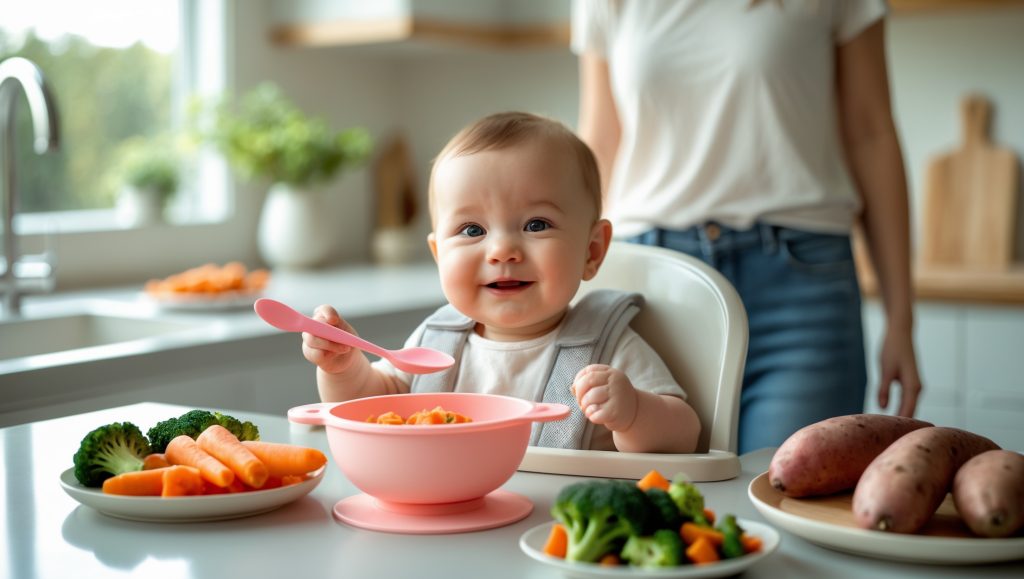
Introducing solids to your baby is a major milestone, and the right gear and foods can make this transition smoother and more enjoyable for both parents and little ones. In 2026, the essentials for starting solids remain focused on safety, ease, and fostering healthy eating habits. Begin with a sturdy high chair that offers excellent support and adjustable features. Soft-tipped spoons and small, easy-grip bowls help babies learn to self-feed without frustration. Silicone bibs and suction plates can keep mealtimes less messy, making cleanup a breeze.
When it comes to first foods, prioritize single-ingredient purees such as sweet potatoes, avocados, or iron-fortified baby cereals. These foods are gentle on tiny tummies and help parents spot potential allergies. As your baby grows more comfortable, gradually introduce a variety of textures and flavors to encourage adventurous eating. Remember, patience and persistence are key—babies may need several tries before accepting a new food. Most importantly, keep mealtime positive and engaging by eating together as a family whenever possible.
- High chair with safety straps
- Silicone bibs and suction plates
- Soft-tipped spoons and easy-grip bowls
- Single-ingredient purees and iron-fortified cereals