
Overview
Picky eating can transform mealtimes into battlegrounds for many families, especially with toddlers and preschoolers. The Learning Resources Healthy Helpings MyPlate Game aims to ease that tension by inviting children to play with their food—literally! Inspired by the USDA MyPlate nutritional guidelines, this hands-on educational toy turns learning about food groups and balanced meals into a fun game, making it especially relevant for families with selective eaters in 2026.
By combining colorful, tactile food pieces and engaging activities, Healthy Helpings MyPlate Game bridges the gap between playful learning and real-world eating habits. It encourages children to explore foods visually and kinesthetically, supporting food exposure without pressure. But does it deliver practical value for families navigating picky eating? Let’s dive into the details.
What’s Inside / Build Quality
The Healthy Helpings MyPlate Game comes with:
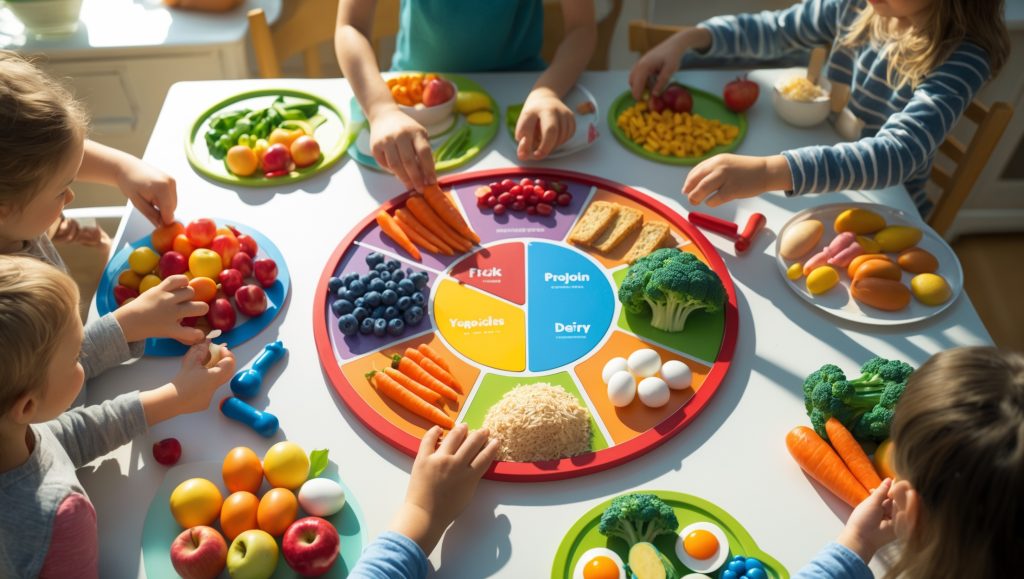
- A sturdy, wipe-clean game board designed as a segmented plate (fruits, vegetables, grains, protein, dairy)
- 50+ chunky plastic food pieces covering all five food groups (e.g., carrot, broccoli, chicken drumstick, bread, cheese, apple, etc.)
- Stackable, easy-to-grip utensils and cups for pretend play
- Game spinner and activity cards with prompts for food sorting, matching, and simple meal-building challenges
- Instruction booklet with suggested games and extension activities
The build quality is impressive for the price point. The plastic food items are solid yet lightweight—perfect for little hands and durable enough to withstand enthusiastic play. All pieces are free of BPA and phthalates, and they’re large enough to minimize choking risks, making this set suitable for ages 3 and up. The board’s laminated finish means it’s easy to wipe down after sticky hands or snack-time spills.
Learning & Development Benefits
This toy is designed to do more than teach food groups. Here’s how it supports child development, especially for picky eaters:
- Food Familiarity: Handling and naming pretend foods can make real foods seem less intimidating over time.
- Sorting & Categorization: Children practice grouping foods by color, type, or food group, boosting early math and cognitive skills.
- Language Development: Talking about food names, textures, and colors encourages vocabulary growth and expressive language.
- Fine Motor Skills: Picking up and placing pieces, spinning the spinner, and moving cards all support dexterity.
- Social-Emotional Skills: Cooperative play, turn-taking, and pretend meals foster confidence and family connection.
- Healthy Habits: The non-pressured, playful format supports positive attitudes toward new foods, a key strategy for addressing picky eating.
Setup & Use
Setup is quick—unbox the pieces, lay out the MyPlate board, and you’re ready to play. The instruction booklet includes several game ideas:
- Meal Building: Spin the spinner and add a food piece from the indicated group to your plate.
- Food Sorting Race: See who can sort their pile of foods onto the correct section fastest.
- Pretend Picnics: Use the utensils and cups to create imaginary meals and picnics with family or stuffed animals.
- Story Time: Pick a food piece and make up a story about where it comes from or how it’s cooked.
Children can play solo or with siblings/caregivers. The game adapts for different ages: preschoolers may simply match shapes and colors, while older children can try more complex challenges or talk about nutrition in greater detail. Clean-up is easy—store all pieces in a zippered bag or the original box.
Pros & Cons
Pros
- Promotes food familiarity in a no-pressure, playful way
- Durable, safe, and easy-to-clean materials
- Flexible play options for solo or group use
- Supports a wide range of developmental skills
- Great value for a multi-piece, educational set
- Encourages positive, family-centered food conversations
Cons
- Some food pieces may not represent every family’s diet or cultural foods
- Food pieces are not scented or textured, limiting sensory exploration
- Missing storage container—original box may wear quickly
- Works best with adult guidance for maximum learning
Alternatives & Similar Toys
If you’re seeking similar toys for picky eaters or food learning, consider these options:
- Melissa & Doug Fill & Fold Taco & Tortilla Set: Focuses on assembling pretend foods with a tactile twist, encouraging open-ended play and cultural food exploration.
- Learning Resources New Sprouts Soup’s On! Set: Includes chunky food pieces and bowls for creative cooking and pretend meals.
- Educational Insights Veggie Farm Sorting Set: Combines color/shape sorting with garden-themed pretend food play, ideal for sensory exploration.
- Hape Healthy Basics Wooden Food Set: Wooden food pieces for classic pretend kitchen play, supporting food vocabulary and fine motor skills.
Each alternative offers its own approach to food play—some focus more on cooking, others on sorting or cultural foods. The Healthy Helpings MyPlate Game is unique in directly connecting play to nutritional learning and the MyPlate guidelines.
Verdict
The Learning Resources Healthy Helpings MyPlate Game stands out as a thoughtful, evidence-informed tool for families tackling picky eating in 2026. It turns food learning into a friendly, pressure-free experience, helping children build comfort with a wide range of foods while supporting cognitive, language, and emotional development. While it’s not a substitute for real-world food exposure or professional support for feeding challenges, it’s a valuable addition to any family’s toy rotation—especially for those looking to make mealtimes less stressful and more joyful.
FAQ
+Is the Healthy Helpings MyPlate Game suitable for children under 3?
+Can this game help my picky eater try new foods?
+Is the toy dishwasher safe?
+Does the set include foods from a variety of cultures?
+How many children can play at once?
+Can I use this game as part of a feeding therapy routine?
+Are there extension activities for older kids?

Learning Resources Healthy Helpings MyPlate Game offers a delightful and practical approach to introducing children to balanced nutrition. Designed with picky eaters in mind, this 2026 edition leverages the familiar MyPlate framework, transforming healthy eating into a playful, hands-on experience. The game’s engaging format encourages kids to explore fruits, vegetables, grains, protein, and dairy, gently guiding them to make nutritious choices without pressure. Parents and educators will appreciate how the game sparks curiosity, promotes food group recognition, and opens conversations about healthy habits. Its vibrant components and simple gameplay make it accessible for a range of ages, while cooperative play builds confidence and teamwork. While the game is best used as a supplement to real-life mealtime experiences, it’s a fantastic tool for easing mealtime struggles and empowering children to become more adventurous eaters. For families seeking a fun, educational way to address picky eating and foster positive attitudes toward food, the Healthy Helpings MyPlate Game stands out as a thoughtful investment.
- Encourages positive food exploration in a low-pressure setting
- Aligns with USDA MyPlate guidelines for balanced meals
- Colorful, durable pieces spark kids’ interest and engagement
- Ideal for home and classroom use with easy-to-follow instructions
I noticed the game is listed for ages 3 and up, but my child is almost 3 and still tends to put toys in their mouth sometimes. How safe are the food pieces for kids who are still mouthing, and are they really too big to be a choking risk?
It’s wise to be cautious when your child still mouths toys. The Healthy Helpings MyPlate Game pieces are designed for preschoolers and are larger than typical choking hazards, but they are not intended for children under 3 or those still mouthing objects. Always supervise play closely, and consider waiting until your child has outgrown this stage. You could also use the pieces only during structured, adult-led play and store them out of reach afterward. This isn’t medical advice; if you’re concerned, check in with your pediatrician.
My child can get overwhelmed by strong colors or textures, even with pretend food. Are any of the food pieces in this game especially bright, shiny, or made of materials that could feel uncomfortable to touch for a sensory-sensitive child?
It’s completely understandable to want to make playtime comfortable for your sensory-sensitive child. The Healthy Helpings MyPlate Game pieces are mostly made from smooth, lightweight plastic with a matte finish, but a few pieces may feature brighter colors like orange or red. None are especially shiny or have glitter, and the textures are uniform without bumps or fuzz. I suggest introducing just one or two pieces at a time, letting your child explore them at their own pace, and removing any that seem distressing. Always supervise play and watch for any discomfort. This isn’t medical advice; if you’re concerned, check in with your pediatrician.
Space is always a challenge in our small living room. How bulky is the packaging and storage for this set? Can the board and pieces be packed away easily somewhere accessible for a preschooler to get out themselves?
It’s understandable to want toys that don’t take over your living space, especially with preschoolers involved. The Healthy Helpings MyPlate Game comes in a compact box and the game board folds up, so it’s not bulky. All the food pieces and cards fit inside the original box, which can easily slide onto a shelf or into a storage bin. Most preschoolers can open and pack away the set themselves, but you may want to supervise to prevent losing small pieces. This isn’t medical advice; if you’re concerned, check in with your pediatrician.