
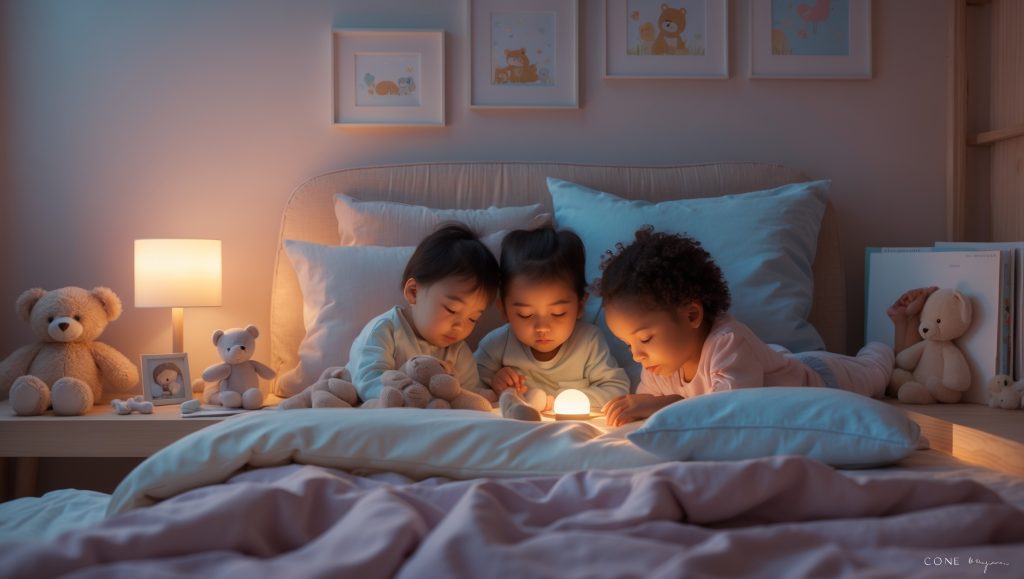
Introduction
Bedtime can be one of the most challenging yet rewarding parts of a family’s daily rhythm. For many parents, the transition from playful evenings to a restful sleep is filled with negotiation, emotions, and sometimes resistance. However, with a consistent bedtime routine and thoughtfully chosen toys, families can transform this time into a peaceful, nurturing experience that sets the stage for healthy sleep habits and emotional wellbeing. In this article, we’ll explore how bedtime routines and the right toys can support calm evenings for children, drawing on evidence-informed strategies and practical tips suited for families in the US in 2025.
Why Bedtime Routines Matter
Bedtime routines are more than just a series of tasks to complete before sleep—they are powerful rituals that provide children with predictability, comfort, and a sense of security. Research over the past decade has consistently shown that children who engage in regular bedtime routines tend to fall asleep faster, experience fewer night wakings, and even demonstrate improved cognitive and emotional development. These routines signal to the brain and body that it’s time to wind down, helping to regulate sleep cycles and reduce anxiety around bedtime.
For parents, establishing a bedtime routine can also create valuable moments of connection, offering opportunities for one-on-one time, conversation, and gentle play. As families navigate the fast pace and digital distractions of modern life, these evening rituals become even more essential for fostering strong family bonds and supporting children’s holistic development.
Integrating Toys into Bedtime Routines
Toys play a unique role in bedtime routines. When chosen thoughtfully, they can ease the transition from active play to restful sleep, provide comfort, and support important skills such as self-soothing, language development, and emotional regulation. Here are several ways toys can be woven into evening rituals:
1. Comfort Objects and Transitional Toys
Many young children develop strong attachments to a favorite stuffed animal, soft doll, or blanket—sometimes known as a “lovey.” These items offer a tangible source of comfort, helping children feel safe and secure as they move from wakefulness to sleep. Experts recommend allowing children to choose their own comfort object, as the sense of agency enhances the item’s soothing effect. For safety, parents should ensure that any soft toy introduced in the crib meets current safety guidelines for the child’s age.
2. Calming Play Before Bed
The half hour before bedtime is a critical window for winding down. Toys that encourage quiet, imaginative play—such as picture books, soft puppets, or simple puzzles—can help children shift gears from high-energy activities to a more restful state. Look for toys that don’t require screens, loud noises, or intense stimulation. For example, a gentle picture book with soft illustrations can invite cuddling and conversation, while a plush puppet might inspire a soothing bedtime story ritual.
3. Routine-Based Toys
Some toys are specifically designed to support bedtime routines. These may include bedtime-themed storybooks, plush toys with built-in night lights or gentle music (always at a safe volume and with an auto-off feature), or even interactive routine charts that let children track each step of their evening. These tools can foster independence, give children a sense of control, and reinforce the sequence of bedtime tasks in a fun, engaging way.
4. Sensory Toys for Soothing
Sensory toys—such as soft-textured blankets, weighted plushies, or fidget toys with calming tactile features—can provide additional comfort for children who benefit from gentle sensory input at bedtime. While weighted items should always be used in accordance with the latest safety recommendations, many families find that these toys help children relax and self-soothe.
Evidence-Informed Strategies for a Smooth Bedtime
Establishing a bedtime routine takes patience, consistency, and flexibility. Here are several evidence-informed strategies to consider when crafting your family’s evening ritual:
- Set a predictable schedule: Aim for the same bedtime each night, even on weekends. Consistency helps regulate the body’s internal clock.
- Sequence matters: Choose 3–5 simple steps (e.g., bath, pajamas, story, snuggle, lights out) and repeat them in the same order each night.
- Minimize stimulating activities: Avoid active play, screens, and loud toys in the hour before bed. Opt for calming, sensory-friendly toys and quiet activities.
- Use language and cues: Help your child anticipate what’s next by narrating the routine (“After we brush teeth, we’ll read your favorite book together”).
- Encourage participation: Let children choose their pajamas, bedtime story, or stuffed animal to give them a sense of autonomy.
- Maintain a calm environment: Dim the lights, play soft music if desired, and minimize household noise as bedtime approaches.
Choosing the Right Toys for Bedtime Routines
The toys and comfort objects you include in your child’s bedtime ritual can make a real difference in their ability to relax and feel secure. Here are some factors to consider when choosing bedtime-appropriate toys:
- Age appropriateness: Ensure toys are safe for your child’s age group—look for labels indicating suitability, and avoid small parts for infants and toddlers.
- Material safety: Choose hypoallergenic, washable materials, especially for items that will be in close contact with your child during sleep.
- Sensory features: Consider toys with soft textures, gentle colors, or calming sounds. Avoid toys that are too stimulating or noisy.
- Simplicity: The best bedtime toys are often the simplest—a classic teddy bear, soft blanket, or fabric book can be more effective than a high-tech gadget.
- Personal attachment: Allow your child to form their own attachments to particular toys, rather than imposing your preferences.
- Easy to clean: Bedtime toys tend to get a lot of use. Check that they are machine washable or easy to wipe down regularly.
Some popular bedtime toy categories in 2025 include plush animals with gentle sensory features, customizable night lights, and interactive storybooks with tactile elements. Always follow age and safety guidelines, and supervise young children with new toys at bedtime until you’re confident they’re being used safely.
Common Mistakes
- Introducing overly stimulating toys or activities right before bed, making it harder for children to wind down.
- Allowing screens (tablets, TVs, smartphones) during the bedtime routine, which can interfere with sleep quality.
- Inconsistency in the bedtime schedule, leading to confusion and resistance.
- Using toys that are not age-appropriate or safe for sleep (e.g., stuffed animals with small detachable parts for infants).
- Rushing through the bedtime routine, which can increase anxiety or leave children feeling unsettled.
- Ignoring children’s preferences for comfort objects, which can reduce their sense of security.
- Relying solely on toys to soothe bedtime struggles instead of addressing underlying needs for connection and comfort.
Quick Checklist
- Establish a consistent bedtime and stick to it, even on weekends.
- Choose 3–5 simple, calming steps for your bedtime routine.
- Include a favorite comfort object or soft toy in the routine.
- Turn off screens at least 30–60 minutes before bed.
- Use age-appropriate, safe, and washable toys for bedtime.
- Dim lights and lower household noise as bedtime approaches.
- Let your child participate in choosing bedtime stories or toys.
- Watch for signs of overstimulation and adapt activities as needed.
FAQ
+What are the best types of toys for bedtime routines?
+How many toys should be included in the bedtime routine?
+Are bedtime toys necessary for all children?
+How can I tell if a toy is safe for sleep?
+What should I do if my child resists the bedtime routine?
+Can interactive or musical toys be used at bedtime?
+Should parents change the bedtime routine as children grow?
Conclusion
Building a calm, comforting bedtime routine is one of the most effective ways parents can support their children’s sleep, emotional health, and family wellbeing. By integrating thoughtfully selected toys, maintaining consistency, and tuning into your child’s unique preferences, you can transform the evening hours into a cherished time of day. Remember: the goal is not just to get your child to sleep, but to nurture their sense of security and connection as they drift off each night. With patience and a little creativity, bedtime can become a positive, peaceful ritual that benefits the whole family in 2025 and beyond.

Creating peaceful bedtime routines is more important than ever for families in 2025. As our days grow busier and digital distractions increase, establishing a calming evening routine helps children transition smoothly to sleep. Thoughtfully chosen toys play a vital role in this process. Soft plush toys, gentle nightlights, and interactive story devices can offer comfort, encourage quiet play, and signal to children that bedtime is approaching.
Parents are discovering the value of sensory-friendly toys, such as weighted stuffed animals or fidget blankets, which can soothe anxieties and promote relaxation. Integrating these toys into a consistent bedtime ritual—perhaps paired with a warm bath and a favorite story—helps children associate nighttime with security and comfort. It’s also a wonderful opportunity for parents and children to connect, reflect on the day, and share affection.
In 2025, innovative toys that blend technology with classic comfort are increasingly available. Look for options that play gentle music, project calming images, or allow for personalized bedtime stories. Ultimately, the right bedtime routine and toys can transform evenings into a cherished, peaceful part of family life, fostering better sleep and emotional well-being for children.
- Choose sensory-friendly, calming toys for bedtime.
- Establish a consistent, soothing evening routine.
- Look for innovative toys that support relaxation and connection.
- Create a screen-free wind-down period before sleep.
What do you recommend for parents concerned about budget: investing in a toy subscription that provides several new toys over time, or purchasing a couple of well-made calming toys and rotating them ourselves within the bedtime routine? Which approach seems most practical and effective for supporting sleep habits?
It’s completely understandable to want the best for your child’s sleep while staying mindful of your budget. If resources are limited, buying a couple of high-quality, calming toys—such as a soft stuffed animal or a gentle light projector—and rotating them in your bedtime routine can be just as effective as a toy subscription. This allows your child to build secure associations with familiar items, which supports sleep habits. Remember to check that toys are safe for your child’s age, with no small parts or choking hazards. This isn’t medical advice; if you’re concerned, check in with your pediatrician.
I noticed you talk about including soft toys like stuffed animals in the bedtime routine. How can parents be sure these toys do not have small parts or buttons that could be a choking hazard, especially for toddlers who still put things in their mouths?
It’s great that you’re thinking about toy safety for your toddler at bedtime. First, check stuffed animals for securely stitched features instead of plastic eyes or buttons. Run your fingers along seams to ensure there are no loose threads or stuffing coming out. Remove any ribbons, tags, or accessories that could detach. Choose toys labeled as safe for your child’s age and wash new toys before use to remove any loose parts. Always supervise bedtime if your child is prone to mouthing objects. This isn’t medical advice; if you’re concerned, check in with your pediatrician.
Our bedtime routine usually gets off track if my son skips his nap or had a tough day. Is it okay to skip parts of the routine on rough evenings, or does sticking to the exact steps matter most for sleep?
It’s completely understandable to wonder how flexible you can be with bedtime routines during tough days. On rough evenings, it’s okay to gently shorten or simplify the routine—consistency matters, but so does meeting your son’s needs in the moment. Try keeping a few familiar steps, like a calming story or a favorite toy, to provide comfort and signal it’s time for sleep. For young children, routines should feel safe and predictable but not rigid. Always supervise and avoid toys with small parts for little ones. This isn’t medical advice; if you’re concerned, check in with your pediatrician.
How can I tell if my 3-year-old’s favorite stuffed animal is still safe to use for sleep as she gets older, especially as she becomes more attached to it?
It makes sense to want your child’s bedtime buddy to remain safe as she gets older and more attached. First, check the stuffed animal regularly for loose seams, buttons, or filling that could become choking hazards. Wash it as recommended by the tag to remove dust and allergens. Make sure it’s still the right size for her bed and doesn’t cover her face during sleep. For a 3-year-old, soft, well-loved toys are usually fine with supervision and upkeep. This isn’t medical advice; if you’re ever unsure, your pediatrician can offer guidance.
In your experience, do plastic toys tend to disrupt or support bedtime routines compared to wooden ones, especially in terms of noise and stimulation? I’m interested in minimizing bedtime distractions but also want options that are easy to find and maintain.
It’s great that you’re looking to minimize bedtime distractions while keeping things practical. Plastic toys often come in brighter colors and may include lights or sounds, which can be more stimulating and disruptive at bedtime than simple wooden toys. If you choose plastic options, go for quiet, light-free, and non-battery-operated items, and favor soothing colors or gentle textures. Wooden toys typically encourage calmer, quieter play and are less likely to overstimulate, but check that they’re smooth and splinter-free. For both, keep toys age-appropriate, avoid small parts for little ones, and supervise play before bed. This isn’t medical advice; if you’re concerned, check in with your pediatrician.
With so many bedtime toys on the market, I often wonder which ones are safest for kids under three. Are there any particular labels or certifications that signal a toy is less likely to have small, detachable parts?
It’s great that you’re being so careful about toy safety for your little one. For children under three, always look for toys labeled “ASTM F963” (American safety standards) or “EN71” (European standards), as these require rigorous small parts testing. The label “3M+” or “0-36M” also means the toy is designed to be safe for babies and toddlers. When choosing, check for securely attached parts and avoid any toys with batteries or loose stuffing unless the closure is childproof. Always supervise play, especially at bedtime. This isn’t medical advice; if you’re concerned, check in with your pediatrician.
My toddler gets very stimulated even by simple puzzles before bed. Are there specific types of toys you would recommend for children who are more sensitive or easily overstimulated in the evenings?
It’s understandable to want calming evenings, especially with a sensitive toddler. Try offering soft, simple toys like plush animals, fabric books, or sensory balls—these tend to be less stimulating and can help signal wind-down time. Avoid toys with bright lights, sounds, or small pieces. Gentle activities, such as cuddling a favorite stuffed animal or looking at pictures together, usually suit toddlers’ developmental stage and promote relaxation. Always supervise play to ensure safety. This isn’t medical advice; if you’re concerned, check in with your pediatrician.
What do you suggest if a child I watch wants to play with electronic or noisy toys right before bed? Are there gentle ways to help them transition to quieter, screen-free activities, especially when they’re used to a lively evening routine?
You’re thoughtful to want a calmer wind-down, especially if evenings are usually lively. Start by giving a five-minute warning before switching off noisy or electronic toys, so the child knows change is coming. Offer a choice between two quieter activities, like reading a picture book or drawing, to give them a sense of control. Dim the lights and soften your voice to signal bedtime is near. For younger children, safe, soothing toys like stuffed animals or soft blankets can help. If your child resists, stay reassuring and consistent—new routines take practice. This isn’t medical advice; if you’re concerned, check in with your pediatrician.
We travel across different time zones a lot and it can throw off bedtime for my toddler. Is it best to use the same bedtime toys and routines we use at home, or make small changes to help our child adjust more easily?
You’re thoughtful to consider how travel affects your toddler’s sleep. Keeping familiar bedtime toys and routines can provide comfort and consistency, which is helpful when everything else feels new. Try bringing your child’s favorite bedtime toy (making sure it’s safe and age-appropriate) and follow your usual routine as closely as possible. At the same time, gently adjust the timing of your routine to match the new time zone, shifting it by 15–30 minutes each night if needed. Keep the sleep environment calm, and avoid introducing too many changes at once. This isn’t medical advice; if you notice ongoing sleep issues, check in with your pediatrician.
I noticed you recommend allowing children to pick their own comfort toys. With toy subscription boxes, new items come every month, so is there a risk that the novelty interrupts the bonding process or makes it hard for a child to form long-term attachments to a single favorite object?
You’re right to consider how frequent new toys might impact your child’s attachment to a comfort object. To support bonding, try letting your child keep their favorite comfort toy consistently available at bedtime, even as new toys arrive. Offer new subscription toys during daytime play to reduce bedtime disruptions. Remind your child it’s okay to have favorites and rotate toys for fun, but not pressure them to switch. For young children, avoid small parts and choose soft, safe materials. This isn’t medical advice; if you’re concerned, check in with your pediatrician.
Do you notice any differences in how stuffed animals versus picture books help children wind down at night? If my child struggles to relax, should I encourage more tactile comfort objects, or is the shared experience of reading usually more effective?
Your question shows real care for your child’s bedtime comfort. Both stuffed animals and picture books can support relaxation, but in different ways. For some children, holding a soft toy offers tactile reassurance and security—especially effective for toddlers or those who like to snuggle. Others may find the calming, predictable routine of reading together helps settle their minds and bodies. You might try offering a stuffed animal during storytime, then observe which element seems most soothing for your child. Make sure comfort objects are age-appropriate (no loose parts for under-threes). This isn’t medical advice; if you’re concerned, check in with your pediatrician.
Do you have any recommendations for storing or rotating bedtime toys to keep things organized and engaging without overstimulating my child’s sleep environment? I find we end up with lots of items by the bed.
You’re not alone—many parents struggle to keep bedtime toys both accessible and calming. Try keeping just 1–2 soft, safe toys by the bed and storing extras in a labeled bin or basket elsewhere in the room. Rotate toys weekly so your child enjoys novelty without too much stimulation. For toddlers and preschoolers, involve them in choosing which toys stay out—this builds ownership and helps limit clutter. Always avoid toys with small parts or noises at bedtime, and supervise younger children with stuffed animals or blankets. This isn’t medical advice; if you have concerns about sleep or safety, check with your pediatrician.
We are on a budget and also short on space. Are there any low-cost, compact toys you recommend for helping sensory-sensitive children wind down at bedtime without causing clutter or extra stimulation?
It’s great that you’re looking for calming, budget-friendly options that won’t overwhelm your child or your space. Soft, small stuffed animals, a smooth worry stone, or a hand-sized plush sensory ball are wonderful choices for winding down—just ensure they’re free from loose parts and safe for your child’s age. Consider a simple, homemade fabric square or a lavender sachet to squeeze and smell, which can be soothing for many sensory-sensitive children. Keep just one or two items by the bed to minimize clutter and avoid overstimulation. This isn’t medical advice; if you’re concerned, check in with your pediatrician.
I know stuffed animals are popular comfort toys, but are there specific features I should look for when choosing one that is safe for a 1-year-old to sleep with? Are there current safety guidelines you recommend?
It’s great that you’re thinking carefully about safety for your little one’s bedtime routines. For a 1-year-old, choose a stuffed animal that’s small enough to avoid suffocation risks—generally no larger than the child’s head. Make sure it has securely stitched features (not buttons or beads), and is free from loose parts or ribbons. Opt for hypoallergenic, machine-washable fabrics to reduce allergens and keep the toy clean. The toy should be firm and not overly plush to prevent covering the nose and mouth. Always supervise sleep and follow current safe sleep guidelines, like keeping the crib mostly clear. This isn’t medical advice; if you’re concerned, check in with your pediatrician.
I am interested in making my child’s bedtime routine more sustainable. Could you share whether wooden toys or plastic toys are better choices for calming evening play, both in terms of environmental impact and their ability to help kids wind down?
It’s great that you want a calming and eco-friendly bedtime routine for your child. Wooden toys usually have a lower environmental impact than plastic, and their simple, gentle textures can support quiet play before bed. Choose a few safe, age-appropriate wooden toys like blocks or stacking rings; avoid small parts for kids under 3. Limit the number of toys to prevent overstimulation and encourage slow, mindful play. If you already have plastic toys, opt for those without lights or sounds, as these can be too stimulating at bedtime. This isn’t medical advice; if you’re concerned, check in with your pediatrician.
If my child tends to get overly attached to several different comfort toys, should I limit the number they can take to bed, or is it okay to let them have a few favorites as part of our routine?
It’s understandable to wonder about comfort toys and healthy bedtime routines. For most toddlers and preschoolers, having a few familiar soft toys or blankets at bedtime is developmentally appropriate and can help them feel secure. You might gently set a limit—like two or three favorites—so the bed isn’t crowded and sleep isn’t disrupted. Check that each toy is safe for your child’s age, with no choking hazards or loose parts. If your child resists letting go of extras, involve them in choosing which will sleep with them. This isn’t medical advice; if you’re concerned, check in with your pediatrician.
For children who are sensitive to textures or have mild sensory preferences, are there particular types of soft toys or comfort objects you recommend for bedtime routines?
It’s great that you want to support your child’s comfort at bedtime, especially with their sensory needs in mind. Try offering toys made from a variety of gentle materials—such as smooth cotton, microfiber, or velour—and let your child touch and choose what feels best. Avoid toys with rough seams, tags, or parts that can irritate sensitive skin. For younger children, always check for choking hazards and ensure the toy is washable in case of allergies. Weighted plush toys can provide calming pressure if your child likes that sensation, but use them only if they are age-appropriate and not too heavy. This isn’t medical advice; if you’re concerned, check in with your pediatrician.
I often wonder about the right time to introduce bedtime reading in our second language. Should I alternate English and our home language each night, or focus on one at bedtime to help establish a consistent routine?
It’s wonderful that you’re thinking about supporting both languages in your child’s bedtime routine. For young children, consistency is reassuring, so you could start by choosing one language for bedtime reading for a few weeks to build a calm, predictable routine. Once your child is settled, try alternating languages each night, or even reading short books in both if your child enjoys it. Make sure stories are age-appropriate and soothing, with simple language and engaging pictures. Always supervise young children with books to ensure safety with any small pieces. This isn’t medical advice; if you’re concerned, check in with your pediatrician.
We have a small apartment with limited storage for toys. What are some versatile or multipurpose bedtime toys that can support calming routines without taking up too much space?
It’s completely understandable to want calming bedtime routines without cluttering your space. Consider a soft, washable stuffed animal that doubles as a pillow or comfort object. A small, foldable fabric book provides tactile soothing and a bedtime story. Sound machines in a compact design or a nightlight that projects gentle patterns can create a calming environment without lots of items. For safety, choose toys with no small parts or loose fabric, especially for younger children. This isn’t medical advice; if you have concerns, check in with your pediatrician.
My 10-month-old is very sensitive to certain textures and can get upset with some soft toys. Do you have advice on selecting sensory-friendly comfort objects or introducing new textures at bedtime without causing stress?
It’s completely understandable to want bedtime to feel soothing for your baby, especially when they are sensitive to certain textures. Start by observing which fabrics or materials your child already tolerates well (like cotton or muslin). Introduce new textures gradually—let your baby explore them during the day, when pressure is lower, and keep bedtime objects very familiar at first. Choose toys or comfort objects labeled safe for under one year, avoiding loose parts or long fibers. Always supervise when introducing anything new, and let your baby set the pace. This isn’t medical advice; if you’re concerned, check in with your pediatrician.
Do you have suggestions for bedtime toys for toddlers with sensory sensitivities? Some textures seem to bother my child, so I want to choose calming items.
You’re thoughtful to consider your toddler’s sensory needs at bedtime. Start by observing which fabrics and textures your child enjoys during the day, then look for soft toys or loveys made from those materials, such as smooth cotton or velvety fleece. Offer one new toy at a time so your child can explore without feeling overwhelmed. Weighted plushies or small, fabric sensory blankets often help with calming, but check that they are toddler-safe—no small parts or loose stuffing. Always supervise at first and wash toys in gentle, fragrance-free detergent. This isn’t medical advice; if you’re concerned, check in with your pediatrician.
Do you have tips for families with limited space or budget on how to select a few versatile bedtime toys? We live in a small apartment, so I want to be intentional about what we keep on hand for our routine.
It’s great that you want to be thoughtful about creating a calming bedtime routine in a small space. Choose one or two soft, washable plush toys that can double as comfort objects and storytime companions. Consider a simple, compact bedtime book that can be read nightly—repetition helps children feel secure. If your child is old enough (over 3 years), a small sensory item like a textured cloth or smooth worry stone can offer soothing tactile input. Always check for age-appropriate materials and avoid small parts for younger children. This isn’t medical advice; if you have any worries, your pediatrician is a good resource.
I noticed you recommend picture books and puzzles for calming play, but is there a specific type of sensory play that works well in the bedtime routine? For example, would something like playing with textured fidget toys help or hinder the transition to sleep?
It’s great that you’re thinking about which sensory activities support a calm bedtime. For most children, gentle sensory play can be helpful—try soft, squishy fidget toys, smooth fabric squares, or slow-moving liquid timers. Keep the activity low-energy and limit to about 10–15 minutes, and choose quiet textures rather than toys with lights or noise. Always supervise toddlers and preschoolers to avoid choking hazards. If you notice your child getting more alert or restless, it’s best to switch to quieter activities. This isn’t medical advice; if you’re concerned, check in with your pediatrician.
If the family’s evening routine starts later some days due to activities, is it better to shorten the winding-down toy time, or should we always keep that part consistent and compromise on something else?
It’s understandable to want smooth evenings, even when schedules shift. If bedtime starts later, try to keep the winding-down toy time consistent, as this signals to your child that it’s time to relax. You can shorten or skip other less essential parts of the routine, like an extra story or bath, to preserve the calming effect of the toy time. For young children, routines help them feel secure, but flexibility is also healthy. Make sure any toys used are safe for your child’s age and are calming in nature. This isn’t medical advice; if you’re concerned, check in with your pediatrician.
For families with limited space, would you recommend investing in a few high-quality wooden toys for bedtime routines, or is it reasonable to stick with a variety of plastic toys? Does the material make a difference in how calming or effective these toys are in evening rituals?
It’s understandable to want the most calming bedtime routine possible, especially when space is tight. Both high-quality wooden and plastic toys can work well for bedtime rituals; what matters most is choosing a few simple, soothing toys that fit your child’s age and are easy to clean and store. Favor toys with gentle colors, soft textures, and no small detachable parts for young children. Look for items that encourage quiet play, like soft animal figures or puzzles, regardless of material. The key is consistency and routine, not the specific material. This isn’t medical advice; if you have concerns, please reach out to your pediatrician.
We live in a small apartment, so storage space for toys is limited. Do you have advice on how to organize or store bedtime toys for an effective rotation without causing clutter in the sleeping area?
It’s completely understandable to want your child’s bedtime area to feel calm and uncluttered, especially in a small space. Try designating a single small basket or box for bedtime toys, keeping only 1-2 favorites available each night and rotating others weekly. Store the rest in an out-of-sight spot, like a closet or under-bed bin. Choose soft, washable toys without small parts for younger children, and avoid overfilling the basket to keep things soothing. Involve your child in selecting which toys stay out, so the routine feels special. This isn’t medical advice; if you’re concerned, check in with your pediatrician.
Our current routine is tough because my preschooler wakes up before everyone else and gets loud. Are there routines or toys from your evening recommendations that help encourage quieter, independent play in the mornings too?
It’s understandable to want peaceful mornings for your family, especially with an early-rising preschooler. You could try setting up a special morning basket with soft, quiet toys—like plush dolls, simple puzzles, or sturdy board books—from your evening routine. The night before, show your child how to use these items quietly until the rest of the house wakes up. Practice together during the day and praise quiet play. Keep items age-appropriate, avoiding anything with small parts or loud sounds, and supervise as needed. This isn’t medical advice; if you’re concerned, check in with your pediatrician.
I noticed you suggest puzzles or puppets as calming pre-bed activities. Are there particular types or brands that stand out as safest for young children, especially in terms of avoiding small components that might pose a risk?
You’re right to prioritize safety when choosing bedtime toys for young children. For toddlers and preschoolers, look for large, chunky wooden puzzles with just a few pieces, as these minimize choking hazards. Puppets should be soft, well-sewn, and free from removable eyes or buttons; simple hand or finger puppets made from fabric are usually safest. Always check age recommendations and inspect toys regularly for wear. Supervise little ones during play, especially if they’re still mouthing objects. This isn’t medical advice; if you’re concerned, check in with your pediatrician.
My evenings often run later than planned, and sometimes our bedtime routine gets rushed. If we only have 10–15 minutes, what parts of the bedtime routine and toy choices should I focus on to keep things calm but efficient?
It’s completely understandable to feel pressed for time in the evenings. When you only have 10–15 minutes, focus on the calming essentials: a brief but consistent routine—like changing into pajamas, brushing teeth, and a short, gentle activity such as reading one book or cuddling. Choose one soft, soothing toy or comfort item, avoiding those with lights or loud sounds. Keep the environment dim and quiet to signal bedtime. This approach helps your child wind down safely and predictably. This isn’t medical advice; if you’re concerned, check in with your pediatrician.
My toddler shares a room with our newborn, and sometimes the bedtime routine ends up taking almost an hour because of all the transitions. Do you have ideas for streamlining the routine so both kids get enough wind-down time without dragging it out too long?
It’s completely understandable to want calmer, quicker evenings with two little ones sharing a room. Try preparing everything you need ahead of time—pajamas, bottles, favorite bedtime toys—so transitions are smoother. Start a joint wind-down activity like reading a short story together, then settle the newborn first while your toddler looks at a quiet book or cuddles a soft toy nearby. Keep the routine simple and predictable, using the same steps in the same order each night. Make sure both children’s toys are safe for their ages, especially with small parts and newborns. This isn’t medical advice; if you’re concerned, check in with your pediatrician.
If budget or storage space is limited, which type of bedtime toy tends to offer the most benefit in supporting a calming routine—would you prioritize a soft comfort item, a bedtime storybook, or a quiet puzzle?
It’s understandable to want the most calming impact when choosing just one bedtime item. For most children, a soft comfort item like a stuffed animal or blanket offers soothing tactile comfort and a sense of security, making it especially helpful for winding down. If your child is over age 1 (to reduce suffocation risks), this can be a gentle and safe choice. Storybooks are wonderful too, especially if a caregiver can read nightly, but require active adult participation. Quiet puzzles may be less ideal at bedtime, as they can be stimulating or have small pieces. This isn’t medical advice; if you have concerns about your child’s sleep, please check with your pediatrician.
If our evenings tend to be hectic, how much time should we ideally set aside for calm play with bedtime toys before actually starting the bedtime routine? Sometimes it feels hard to fit everything in, especially after a busy workday.
It’s understandable to feel stretched during busy evenings, and wanting calmer transitions is a loving goal. Try setting aside just 10–20 minutes for calm play with bedtime toys before starting your bedtime routine—enough time for your child to unwind, but short enough to stay realistic. Choose toys that are safe and age-appropriate, such as soft plushies or simple puzzles, and keep screens off to support relaxation. If time is tight, even 5 quiet minutes together can help signal bedtime is coming. Remember, flexibility is okay—consistency matters most. This isn’t medical advice; if you’re concerned, check in with your pediatrician.
Could you clarify how age recommendations relate to toy safety for bedtime? For example, if a toy says it’s safe for ages 3 and up but looks soft, does it still pose a risk for a younger toddler who might chew on it?
You’re absolutely right to be cautious about age recommendations and toy safety at bedtime. Even if a toy appears soft, the age label matters because younger toddlers may chew, mouth, or try to swallow parts that older kids wouldn’t. For children under 3, avoid toys with small, detachable parts or long strings, and check for loose seams or stuffing. Supervise bedtime play and stick to toys specifically labeled as safe for your child’s age. Always watch for wear and tear, especially with plush toys. This isn’t medical advice; if you’re concerned, check in with your pediatrician.
If a child gets very stimulated by certain toys before bed, do you have any tips for choosing calming playthings, especially for kids who are sensitive to textures or sounds?
It’s understandable to want bedtime toys that help calm rather than stimulate, especially for sensitive children. Try soft, plush toys without hard edges or noisy features. Choose toys in soothing colors and gentle textures your child enjoys—offer them in advance to see what feels most comforting. Avoid toys with lights, music, or rough textures close to bedtime. For children sensitive to sound, keep the room quiet and use only silent or fabric-based toys. Always supervise play, and check for small parts or allergens. This isn’t medical advice; if you’re concerned, check in with your pediatrician.
I am debating whether to subscribe to a monthly toy service or just buy a few specific comfort toys for bedtime routines. In your experience, do rotating new toys through a subscription boost the calming effect, or is consistency with familiar favorites better for building secure bedtime rituals?
It’s wonderful that you’re thinking carefully about how toys can support your child’s bedtime routine. For most young children, consistent comfort items—like a favorite stuffed animal or soft blanket—offer security and predictability at bedtime, which is calming and supports strong sleep associations. Rotating new toys can be exciting, but too much novelty at bedtime may make it harder for some children to wind down. For most, sticking with a few familiar, age-appropriate, and safe bedtime comfort toys is usually best. This isn’t medical advice; if you’re concerned, check in with your pediatrician.
I am wondering about screen-free toy options for winding down, especially as our baby approaches toddlerhood. Are there specific toys that seem to work better for calming children with sensory sensitivities in the evenings?
Your focus on calming, screen-free options for your toddler is so thoughtful, especially with sensory sensitivities in mind. Soft, textured toys like plush animals or fabric books can provide comfort without overstimulating. Simple sensory toys—such as silicone stacking cups or soft, squishy balls—let little hands explore safely. A gentle nightlight projector or a musical toy with adjustable volume can add soothing cues, but always keep lights and sounds soft and calming. Always check for age-appropriate, non-toxic materials and supervise play to avoid choking hazards. This isn’t medical advice; if you have concerns about your child’s sensory needs, please consult your pediatrician.
If my child has trouble settling down after active play in the evening, what are some specific examples of toys or activities you recommend for winding down before bedtime?
It’s understandable to want a smoother transition from active play to bedtime. Try offering soft, calming toys like a plush animal or a favorite blanket for cuddling. Gentle activities such as looking at picture books together, listening to soft music, or doing simple puzzles can help signal that it’s time to wind down. For children under three, avoid small parts and always supervise closely. Dimming the lights and keeping voices quiet also sets a calm mood. This isn’t medical advice; if you’re concerned, check in with your pediatrician.
Do you have any advice on how to talk to grandparents or gift-givers about avoiding bedtime toys with small attachments, since safety standards can change and not all well-meaning gifts are age-appropriate?
You’re right to want to keep bedtime safe and calm for your child, especially since gift-givers may not always know the latest safety guidelines. Try sharing your child’s current age and reminding family that toys with small parts can be choking hazards, especially for children under age 3. Suggest specific types of safe bedtime toys, like soft, washable stuffed animals without detachable pieces. Show appreciation for their thoughtfulness and explain that safety standards change over time, so checking with you first is helpful. This isn’t medical advice; if you have specific concerns, reach out to your pediatrician.
My one-year-old sometimes gets overwhelmed by too many textures or bright colors at night. Are there specific types of sensory-friendly toys you recommend that help support calm evenings without overstimulating sensitive toddlers?
You’re thoughtful to notice your toddler’s sensitivities at bedtime. For a one-year-old, choose soft, solid-colored plush toys or smooth silicone teethers in muted tones—these are gentle on senses and safe for mouthing. Avoid toys with flashing lights, loud sounds, or multiple textures. A simple lovey or small cotton blanket can provide soothing comfort. Always check for small parts and supervise use to ensure safety. This isn’t medical advice; if you’re concerned, check in with your pediatrician.
Given that wooden toys can be more expensive than plastic, is there evidence that investing in sustainable wooden bedtime toys really makes a difference in calming routines, or can families achieve the same benefits with budget-friendly plastic options?
It’s a thoughtful question to weigh the value of wooden versus plastic toys for bedtime routines. Research suggests that the calming benefits of bedtime toys come more from how they’re used—gentle play, soothing textures, and predictable routines—than from the material itself. 1. Choose toys with soft edges and calming colors, whether wood or plastic. 2. Prioritize age-appropriate, non-toxic, and easy-to-clean options. 3. Use the toy in a consistent bedtime routine for reassurance. 4. Supervise with any toy to ensure safety. Both wooden and plastic toys can support a calming bedtime if chosen thoughtfully. This isn’t medical advice; if you’re concerned, check in with your pediatrician.
Do you recommend introducing a comfort object like a lovey this early, or should we wait until our baby is showing strong signs of attachment? I’m curious about the best timing to help her self-soothe.
It’s wonderful that you’re thinking about ways to help your baby self-soothe and feel secure at bedtime. Offering a comfort object like a lovey can be introduced as early as around 6 months, when babies start forming attachments—but it’s important to ensure the object is safe for your child’s age (no loose parts, breathable fabric, and nothing too large in the crib). Place the lovey nearby during bedtime routines, but supervise closely until your baby is old enough to manage it safely. Watch for signs your baby finds comfort in the object; if not, it’s okay to wait and try again later. This isn’t medical advice; if you’re concerned, check in with your pediatrician.
I noticed you mention puzzles and books for calming playtime. Are there certain types of toys or books that work best for children who are extra sensitive to sounds or textures at bedtime? My toddler gets overwhelmed easily by too much stimulation.
You’re thoughtful to consider your toddler’s sensitivities at bedtime. For children who are easily overwhelmed, choose simple board books with soothing illustrations and minimal text, avoiding noisy or interactive books. Soft fabric or plush puzzles with large, easy-to-hold pieces can be calming for sensitive hands, and wooden puzzles are a gentle alternative if your child prefers firmer textures. Stick to toys that are quiet, have muted colors, and no lights or music. Always supervise play, and check for age-appropriate, non-toxic materials. This isn’t medical advice; if you’re concerned, check in with your pediatrician.
Do you have any advice for families with toddlers who share a room? How can bedtime routines and the use of comfort toys be adapted when siblings have different preferences or sleep schedules?
It’s understandable to want peaceful evenings when siblings share a room but have different sleep needs. Try staggering bedtimes if possible, putting the younger child down first while the older has quiet time elsewhere. Use separate comfort items, letting each child choose a safe, age-appropriate toy or blanket to help them settle. Keep routines predictable but personalized, such as reading a short story together, then offering each child a few minutes of individual attention. Soft nightlights or white noise can help mask any disturbances. Always make sure toys are safe for the youngest child, avoiding small parts or loose fabrics. This isn’t medical advice; if you’re concerned, check in with your pediatrician.