
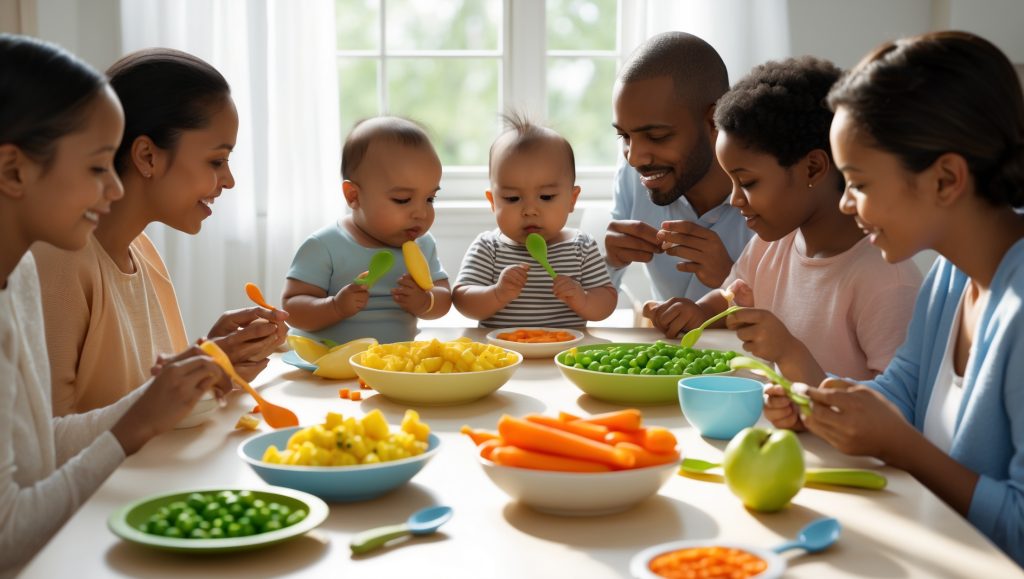
Introduction
The transition to solid foods is a major developmental milestone for both babies and caregivers. Whether you’re a first-time parent or guiding your third child, the process is filled with anticipation—and often, questions. In 2025, families benefit from a wealth of evidence-informed guidance about when and how to introduce solids to their babies. This article offers practical tips, age-based recommendations, and expert-backed insights to help you navigate this exciting stage with confidence and joy.
Understanding Readiness: When Is Your Baby Ready for Solids?
Introducing solids is not just about age—it’s about developmental readiness. Most infants are ready to start exploring solid foods between 4 and 6 months of age. However, each baby is unique, and readiness cues matter more than the calendar. Look for these signs that your baby is prepared for solids:
- Sits upright with minimal support: Good head and neck control is essential for safe swallowing.
- Shows interest in food: Watches you eat, reaches for your food, or opens mouth when offered a spoon.
- Loses the tongue-thrust reflex: Stops automatically pushing solids out of their mouth with their tongue.
- Can close mouth around a spoon: Helps keep food in the mouth and move it to the back to swallow.
Not all babies will show these signs at exactly the same age. If you’re unsure, talk with your pediatric care provider for guidance specific to your child’s development.
First Foods: What to Offer and How
Choosing Safe, Nutritious First Foods
Current evidence supports a variety of nutrient-rich first foods. Iron-rich options are especially important, as babies’ iron stores begin to decrease around 6 months. Consider starting with:
- Iron-fortified baby cereals (such as oatmeal or rice)
- Pureed meats (beef, chicken, turkey)
- Mashed beans or lentils
- Pureed or soft-cooked vegetables (carrots, peas, sweet potatoes)
- Mashed fruits (banana, avocado, pear, apple)
There is no one “perfect” first food—what’s most important is that the foods are age-appropriate in texture and contain essential nutrients. Offer one new food at a time and wait 3–5 days before introducing another, watching for any signs of intolerance or allergy.
Texture Progression: From Purees to Finger Foods
Start with smooth purees or soft mashed foods. As your baby becomes more skilled at eating, gradually offer thicker purees, soft lumps, and eventually small, soft finger foods. By 8–10 months, many babies are ready for more varied textures, such as small pieces of soft fruits, steamed vegetables, and well-cooked pasta. This progression helps babies learn to chew and handle different foods safely.
Feeding Approaches: Spoon-Feeding vs. Baby-Led Weaning
Some families prefer traditional spoon-feeding, while others embrace baby-led weaning (BLW), where babies self-feed soft, appropriately-sized pieces of food. Both approaches can support healthy eating habits. If you choose BLW, be sure all foods are soft, easy to grasp, and cut into safe shapes to minimize choking risk.
Allergens and Food Safety
Introducing Potential Allergens
Research now encourages early introduction of common allergens—such as peanuts, eggs, and dairy—around 6 months, as long as these foods are prepared safely and introduced one at a time. Early exposure may help reduce the risk of developing food allergies. However, always introduce allergens when your baby is well and during daytime hours, so you can monitor for reactions.
Choking Hazards to Avoid
Safety is crucial. Avoid foods that are hard, round, sticky, or difficult to chew, such as whole grapes, raw carrots, popcorn, nuts, hot dog slices, and chunks of meat or cheese. Always supervise your baby during meals and ensure they are seated upright.
Safe Food Preparation and Storage
- Wash hands and utensils before preparing food.
- Cook meats, eggs, and legumes thoroughly to reduce illness risk.
- Store leftovers in the refrigerator and use within 1–2 days.
- Avoid honey and unpasteurized foods for babies under 12 months.
Supporting Healthy Eating Habits from the Start
Responsive Feeding
Responsive feeding means honoring your baby’s hunger and fullness cues. Let your baby decide how much to eat. Avoid pressuring, praising, or bribing at mealtimes; this helps develop a positive relationship with food.
Family Meals and Food Exploration
Include your baby in family meals whenever possible. Babies learn by watching you eat and exploring the tastes and textures of a variety of foods. Offer a range of colors and flavors over time to encourage curiosity and acceptance.
Managing Expectations
Eating is a new skill. Some babies take to solids quickly, others need time and repeated exposure. It’s typical for babies to spit out food, make faces, or refuse foods at first. Keep mealtimes relaxed and low-pressure. Patience and consistency are key.
Common Mistakes
- Starting solids too early or too late: Waiting for developmental readiness is crucial; introducing solids before 4 months or delaying much beyond 6 months can each carry risks.
- Offering foods that pose choking hazards: Whole grapes, raw vegetables, popcorn, and nuts are common culprits.
- Limiting variety: Repeating the same foods may reduce willingness to try new flavors and textures later.
- Pressuring babies to eat: Forcing or bribing can create negative associations with food.
- Neglecting iron-rich foods: Babies need iron as their natural stores wane.
- Skimping on allergen exposure: Avoiding common allergens without a medical reason may increase allergy risk.
- Relying solely on packaged foods: Homemade foods offer greater variety and control over ingredients.
Quick Checklist
- Look for developmental readiness signs before starting solids.
- Start with iron-rich foods and offer a variety of textures.
- Introduce one new food at a time; wait 3–5 days between new foods.
- Offer potential allergens early, one at a time, and observe for reactions.
- Avoid honey, unpasteurized foods, and choking hazards.
- Supervise your baby during meals, ensuring they are seated upright.
- Respond to your baby’s hunger and fullness cues; don’t force-feed.
- Include your baby in family mealtimes for social and sensory learning.
FAQ
+What are the signs my baby is ready for solid foods?
+Should I start with vegetables or fruits first?
+How do I safely introduce common allergens?
+What foods should I avoid giving my baby?
+Is baby-led weaning safe?
+How much solid food should my baby eat at first?
+Can I make my own baby food?
+What if my baby refuses solids?
Conclusion
Introducing solids is a journey that blends nutrition, development, and joyful discovery. By looking for readiness cues, offering a variety of safe and nutritious foods, and following your baby’s lead, you help lay the foundation for a lifetime of positive eating habits. Remember, patience and flexibility are essential—every baby’s path is unique. For concerns or specific questions, connect with your pediatric care provider. Here’s to happy, healthy mealtimes as your little one takes their first bites in 2025!

Introducing solids is a major milestone in your baby’s development, and many parents wonder when and how to start. Current evidence suggests that most babies are ready for their first tastes of solid foods around 6 months, though some may show signs of readiness a little earlier or later. Look for cues like sitting up with support, showing interest in your food, and good head and neck control. There’s no need to rush—starting too early can increase choking risks, while waiting too long may make it harder for your child to accept new textures and flavors.
Start with iron-rich foods like pureed meats, beans, or iron-fortified cereals, as iron needs increase at this age. Offer a variety of single-ingredient foods, one at a time, so you can watch for any allergic reactions. Remember, “food before one is just for fun”—the main source of nutrition remains breast milk or formula until the first birthday. Relax and enjoy this exciting process: mess is part of the learning, and repeated exposure helps build healthy eating habits that last a lifetime.
- Watch for readiness signs before introducing solids, usually around 6 months.
- Begin with iron-rich foods and introduce new foods one at a time.
- Keep mealtimes relaxed and let your baby explore different textures.
- Continue breast milk or formula as the main nutrition until age one.
My baby seemed to resist thicker purees at nine months but now at ten months is more interested in finger foods. Is it okay if he skipped some of the intermediate textures, or should I go back and offer those first for better skill development?
It’s understandable to wonder if skipping certain textures could affect your baby’s eating skills. At ten months, it’s common for babies to show new interest in finger foods, and not all children move through textures at the same pace. If your baby is safely managing soft finger foods, it’s generally fine to continue, as learning to self-feed is an important milestone. You can still occasionally offer mashed or lumpy textures alongside finger foods if you wish, but there’s no need to go backwards if your baby prefers self-feeding. Always supervise meals and ensure foods are soft and easy to gum. This isn’t medical advice; if you’re concerned, check in with your pediatrician.
I noticed you mention introducing iron-rich foods like meats early on. For families who follow a vegetarian diet, are there specific plant-based options or preparation methods you recommend to make sure babies still get enough iron?
It’s great that you want to ensure your baby gets enough iron while following a vegetarian diet. Offer mashed or pureed iron-rich plant foods like lentils, beans, tofu, and fortified infant cereals. Pair these with vitamin C sources (like pureed sweet potato or fruits) at meals to boost iron absorption. Cook and mash beans thoroughly to reduce choking risk, and avoid whole nuts or seeds due to safety concerns. Always supervise during meals and start solids around 6 months, as suggested in the article. This isn’t medical advice; if you’re concerned, check in with your pediatrician.
How can I tell if I’m offering enough variety when introducing solids, or is it better to stick with a few favorites at first to avoid overwhelming my child?
It’s normal to wonder about the right balance between variety and familiarity when starting solids. Begin with single-ingredient foods and gradually introduce new options every few days, watching for any reactions. Aim for a mix of tastes and textures once your baby shows readiness and interest, but repeating favorites is fine—familiarity can be comforting. For most babies around 6 months, gentle exposure to a range of safe, age-appropriate foods (no honey or choking hazards) helps expand their palate. This isn’t medical advice; if you have concerns about allergies or your child’s response, please check with your pediatrician.
Our evenings tend to be pretty energetic, and I’m hoping for a smoother bedtime. Do you have any suggestions on how introducing solids, or even how we do dinner, could help create a calmer pre-bed routine for my toddler?
It’s understandable to want evenings to feel calmer, especially around bedtime. Try serving dinner or solids 1–2 hours before bedtime to allow for digestion and reduce discomfort at sleep time. Offer familiar foods with gentle textures, as spicy or new foods close to bed may cause tummy upset. Keep mealtimes predictable and relaxed—dim lights, quiet voices, and avoid screens to signal winding down. A soothing after-dinner routine, like a bath or reading, can also help. Make sure foods are age-appropriate and always supervise to prevent choking. This isn’t medical advice; if you’re concerned, check in with your pediatrician.
Are there any storage or meal-prep tips for families trying different textures with a picky eater, especially when it can take many tries before they accept a new food and you don’t want to waste whole batches?
It’s understandable to want to avoid waste when your child is slow to accept new textures. Try preparing small portions of new foods and freezing extra in ice cube trays for single servings. Store each texture separately and label with the date for safety—most purees or mashes keep for 1–2 months in the freezer. Thaw only what you need and offer tiny amounts; you can also mix rejected foods with familiar favorites to try again. Always check texture and temperature before serving, and supervise closely for choking hazards. This isn’t medical advice; if you’re concerned, check in with your pediatrician.
We’re on a tight budget, so preparing meats and fresh veggies for my baby isn’t always realistic. Are frozen or canned options (with no added salt) just as safe and nutritious for first foods?
It’s completely understandable to look for affordable options when introducing solids. Frozen vegetables and meats can be just as nutritious as fresh, and are safe for babies as long as they’re cooked thoroughly and pureed to a smooth texture for infants under 8 months. Canned veggies without added salt are generally safe too—just rinse them to remove any residue and check for soft textures and choking risks. Always avoid canned foods with added sugars, salt, or preservatives. This isn’t medical advice; if you’re concerned, check in with your pediatrician.
In our family we try to do bedtime routines in both English and Spanish. Do you have any tips for keeping consistent feeding and nap schedules while introducing solids, especially for bilingual households?
You’re doing a wonderful job supporting your child’s language development and routines. To keep feeding and nap schedules consistent while introducing solids, try offering meals and naps at similar times each day, using familiar words in both languages to cue transitions. Involve your child by naming foods in English and Spanish, which can make mealtimes predictable and enjoyable. If possible, have both caregivers use the same phrases for routine steps, like washing hands or saying goodnight. Remember to watch for your child’s cues of hunger or tiredness, as every baby’s needs differ. Keep an eye on choking hazards, offer safe, soft foods, and always supervise. This isn’t medical advice; if you’re concerned, check in with your pediatrician.
Many of the recommended first foods, like pureed meats and mashed beans, can be tricky to store in small urban apartments. Are there any tips for preparing and storing small portions to reduce both waste and clutter?
It’s great that you’re thinking about making solids manageable in a small space. Try preparing larger batches and freezing them in small portions using ice cube trays; once frozen, transfer cubes to labeled freezer bags. Use silicone pouches or small containers that stack neatly to save space. Thaw only what you need for each meal, and keep portions small—about a tablespoon for early eaters. Always label containers with the date so you use the oldest first and avoid spoilage. Make sure all storage items are food-safe and easy to clean. This isn’t medical advice; if you’re concerned, check in with your pediatrician.
My older child had a strong dislike for certain textures and gagged easily with lumps. Do you have any advice for gradually introducing varied textures to a sensory-sensitive baby who gets overwhelmed with new foods?
It’s completely understandable to want to make introducing textures less overwhelming for a sensory-sensitive baby. Start by gradually shifting from very smooth purees to slightly thicker ones, moving at your baby’s pace. Offer one new texture at a time and give your baby plenty of chances to explore it with their hands before tasting. Model relaxed eating and stay calm if gagging happens—it’s often part of learning. Always supervise closely, avoid hard chunks or sticky foods, and remember every child progresses differently. This isn’t medical advice; if you’re concerned, check in with your pediatrician.
We’re trying baby-led weaning with our child, but during family trips, it’s much easier to do traditional spoon-feeding. Is it confusing for the baby if we switch between the two approaches depending on our travel schedule?
It’s understandable to want flexibility when feeding your baby during trips. Most babies can adapt to a mix of baby-led weaning and traditional spoon-feeding, especially if you keep the experience positive and responsive to your child’s cues. Offer safe, age-appropriate finger foods when practical, and use spoon-feeding when needed, making sure to let your baby guide the pace. Always supervise meals closely, watch for any choking hazards, and avoid foods that are too hard or small. This isn’t medical advice; if you’re concerned about your baby’s adjustment, check in with your pediatrician.
If my child is on the smaller side for his age but is showing some readiness signs, should I wait closer to 6 months to start solids, or could starting earlier be beneficial? I am looking for advice beyond just age recommendations.
It’s completely understandable to want the best for your child, especially when growth is a concern. If your baby is showing readiness signs—like good head control, sitting with support, and interest in food—these are more important than size alone. You might offer small tastes of iron-rich purees while continuing to prioritize breast milk or formula for most nutrition. Watch closely for signs your baby enjoys and safely swallows new textures. Always supervise meals to prevent choking. Since growth and feeding are so individual, it’s wise to check in with your pediatrician before making changes. This isn’t medical advice; if you’re concerned, check in with your pediatrician.
My 9-month-old sometimes makes faces and spits out new foods, especially those with different textures. Is this a normal sensory response, or should I be worried about possible allergies or intolerances when introducing solids?
It’s completely understandable to feel concerned when your baby reacts strongly to new foods. At 9 months, making faces and spitting out foods with new textures is often a normal part of sensory exploration as babies adjust to solids. Try offering small amounts of new foods alongside familiar ones, and give your baby opportunities to touch and play with the food first. Watch for signs of true allergies—such as hives, swelling, vomiting, or difficulty breathing—and always introduce new foods one at a time. If your baby only shows mild dislike or sensory reactions, this is typical and usually improves with gentle, repeated exposure. This isn’t medical advice; if you notice any concerning symptoms or have ongoing worries, check in with your pediatrician.
I noticed the article mentions transitioning to small, soft finger foods by around 8 to 10 months. With that in mind, how can I tell if a food is actually small and soft enough to avoid choking risks? Are there any specific foods or shapes I should avoid completely at this stage?
It’s great that you’re being cautious about choking risks as your baby explores finger foods. To check for safe softness, try squishing the food between your fingers or against the roof of your mouth—if it easily smashes, it’s likely safe. Cut foods into pea-sized pieces to reduce choking hazards. Avoid round, hard, or sticky foods like whole grapes, hot dogs, popcorn, raw carrots, nuts, and large chunks of cheese. Always supervise meals closely, and keep your baby seated upright. This isn’t medical advice; if you’re concerned, check in with your pediatrician.
I often hear about both spoon-feeding and baby-led weaning. With a busy schedule and potty training happening, is one approach better for supporting healthy digestion or making mealtimes less stressful?
You’re balancing a lot right now, and it’s wise to consider what will work best for your family. Both spoon-feeding and baby-led weaning can support healthy digestion if you offer age-appropriate, soft textures and avoid choking hazards. To ease mealtime stress, try offering simple finger foods during your usual meal or potty routine, and let your child self-feed when possible—this can encourage independence. You might also combine both methods, letting your child explore feeding at their own pace. No matter the approach, always supervise meals to ensure safety. This isn’t medical advice; if you have concerns, check in with your pediatrician.
If my baby is showing interest in solids before reaching 4 months, should I wait until the typical 4–6 month window or can I start offering small tastes earlier? I want to make sure I follow current recommendations for developmental readiness.
It’s great that you want to follow the latest guidelines for your baby’s health and development. Current evidence recommends waiting until around 4 to 6 months before introducing solids, as a baby’s digestive system and swallowing skills are more mature by then. Signs of readiness—like good head control and sitting with support—are also important. Offering solids too early may increase risks like choking or allergies. For now, stick with breast milk or formula, and watch for readiness cues as your baby grows. This isn’t medical advice; if you’re concerned, check in with your pediatrician.
If my baby was born prematurely, should I be adjusting the timing for introducing solids, or do the readiness cues stay the same regardless of their adjusted age?
Your thoughtfulness about timing solid foods for your preterm baby is so important. For premature infants, it’s generally best to use your baby’s adjusted age (age from their due date) rather than their birth date when considering when to start solids. Watch for the same readiness cues—such as good head control, sitting with support, showing interest in food, and loss of the tongue-thrust reflex—but understand these may appear later than in full-term peers. Always ensure foods are soft, safe, and age-appropriate to reduce choking risks. This isn’t medical advice; if you’re concerned, check in with your pediatrician.
How should we schedule meals when grandparents and parents have different ideas about which foods to offer first, especially with breakfast and dinner routines? Any advice for coordinating solid introductions across caregivers?
It’s understandable to feel concerned when family members have different ideas about introducing solids. Try creating a shared meal plan that lists which foods to introduce each week, so everyone is on the same page. For breakfast and dinner, choose a set of age-appropriate, single-ingredient foods (like pureed fruit for breakfast, mashed veggies for dinner) and rotate them so your baby gets variety and safety. Communicate your chosen approach clearly with grandparents, and invite them to help prepare or serve meals within your guidelines. Always supervise meals to watch for any signs of allergies or choking. This isn’t medical advice; if you’re concerned, check in with your pediatrician.
My baby gags easily with thicker purees. Is there a safe way to help him get used to more varied textures, or should I stick to smooth foods until he seems more comfortable?
It’s understandable to worry when your baby gags with thicker purees. Gagging is common as babies learn to handle new textures. Try gradually thickening purees by adding small amounts of mashed or finely minced foods, watching closely for your baby’s cues. Offer small spoonfuls and let your baby explore foods at their own pace. Avoid hard chunks or foods that could pose a choking risk, and always supervise meals. If gagging is frequent or seems severe, pause and stick to smoother foods for a bit before trying again. This isn’t medical advice; if you’re concerned, check in with your pediatrician.
For families on a tight budget, are there certain first foods that store well in the fridge or freezer and maintain their nutrient quality? It would be helpful to know how to plan meals with affordable, nutritious options that can be prepared in advance.
It’s completely understandable to want affordable, nutritious foods that can be safely stored for your baby. Start with iron-rich options like cooked and pureed lentils or beans, which freeze well and are gentle for babies around 6 months old. Steamed and mashed vegetables such as carrots, peas, or sweet potatoes can be made in batches and refrigerated or frozen in small portions. Plain, full-fat yogurt is a budget-friendly source of calcium and keeps well in the fridge. Always check for smooth textures, avoid added salt or sugar, and supervise your baby during meals. This isn’t medical advice; if you have concerns about feeding or allergies, consult your pediatrician.
Can you clarify how to offer iron-rich foods if my baby strongly resists both pureed meats and cereals due to texture sensitivities? Are there other gentle ways to incorporate iron into a diet for kids struggling with certain textures?
It’s understandable to feel concerned when your baby resists common iron-rich foods because of texture sensitivities. You might try offering well-cooked, finely shredded meats or mixing tiny lentils into familiar purees for a smoother feel. Soft, mashed beans or iron-fortified tofu can be gentle on texture-sensitive mouths. You could also blend leafy greens like spinach into fruit purees or smoothies, ensuring everything is age-appropriate and safe from choking hazards. Always supervise eating, and if you’re concerned about iron intake or your baby’s feeding challenges, check in with your pediatrician. This isn’t medical advice.
My parents help with feeding and sometimes want to give my baby soft pieces of our cultural breads or homemade casseroles. How do we tell if these family recipes are a good texture for early finger foods, and should we modify them in any way?
It’s wonderful that your family is involved and eager to share meaningful foods with your baby. For early finger foods, aim for textures that are soft, easily squished between your fingers, and cut into small pieces to reduce choking risk. Avoid recipes containing hard, crunchy, or chewy bits, whole nuts, or added salt and sugar. Cultural breads should be soft with no hard crust; casseroles should be free of tough meat or large chunks. Always supervise meals and watch for any signs of allergies. This isn’t medical advice; if you’re concerned, check in with your pediatrician.
We prep solid foods ahead of time, especially for dinner. Do you have tips on storing iron-rich options like beans or pureed meats safely for use in multiple meals? How long can these stay safe in the fridge for toddlers?
It’s great that you’re planning ahead to make mealtimes easier and more nourishing for your toddler. For iron-rich foods like beans and pureed meats, let them cool quickly and store them in airtight containers in the fridge. Generally, cooked beans and pureed meats can be safely refrigerated for up to 2 days for young children. Portion foods before storing to avoid repeated reheating, and always reheat thoroughly until steaming hot before serving. Check textures and temperatures to prevent choking. This isn’t medical advice; if you have concerns about food safety for your child, check in with your pediatrician.
How would you suggest building a mealtime routine around introducing solids, especially with an older sibling at the table? Are there any tips for encouraging the baby to stay interested during family meals without overwhelming them?
It’s great that you want to make mealtimes positive for both your baby and their older sibling. Start by setting consistent meal times and seating your baby safely in a high chair close to the family table. Offer small portions of soft, age-appropriate foods and let your baby explore at their own pace, without pressure. Encourage the older sibling to model trying new foods, but avoid comparisons. Limit distractions and keep mealtimes brief—10 to 15 minutes is enough for many babies. If your baby seems overstimulated, try some quiet time before meals. This isn’t medical advice; if you have concerns, check in with your pediatrician.
I have a toddler and a newborn, so our mealtimes can get a bit chaotic. Do you have suggestions for introducing solids to my 6-month-old when I also need to keep my toddler occupied? How can I make sure both kids get the attention they need during feeding?
It’s completely understandable to feel stretched trying to meet both your children’s needs at mealtime. Try setting up a safe, engaging activity for your toddler nearby, like coloring or stacking blocks, while you focus on introducing solids to your 6-month-old. Prepare pureed or soft foods in advance to minimize stress. If possible, involve your toddler as a “helper” by letting them hand you a spoon or bib. Always supervise closely to ensure safety, especially with small parts and food textures. Remember, it’s normal if some meals feel hectic. This isn’t medical advice; reach out to your pediatrician if you have concerns about feeding routines or safety.
Could you give advice about how often to offer solids to a toddler who gets easily overwhelmed by mealtimes? Sometimes my child eats a big breakfast but refuses lunch and dinner. How rigid should our meal schedule really be for this age?
It’s understandable to worry when your toddler’s eating habits feel unpredictable or stressful. At this age, it’s normal for toddlers to have variable appetites, so a flexible approach can help. First, offer three regular meals and one or two snacks each day, but let your child decide how much to eat. If breakfast is large, it’s okay if lunch is lighter—honor their fullness cues. Keep mealtimes calm and short, around 15–20 minutes, to prevent overwhelm. Avoid pressuring or forcing bites, and instead, offer healthy foods and let your toddler choose. This isn’t medical advice; if you’re concerned, check in with your pediatrician.
I’m interested in mixing baby-led weaning with some spoon-feeding. Is it okay to blend these approaches, or could it be confusing for my baby during the early stages of introducing solids?
It’s completely understandable to want flexibility in how you introduce solids to your baby. Combining baby-led weaning with some spoon-feeding is safe and can actually support your baby’s learning. Start by offering soft, graspable finger foods alongside occasional spoon-fed purees, always watching for choking hazards and never leaving your baby unattended. Let your baby guide the pace, showing interest or turning away when they’re done. Around 6 months is a good time to begin, as most babies are ready for solids then. Mixing methods won’t confuse your baby; variety helps them become comfortable with different tastes and textures. This isn’t medical advice; if you’re concerned, check in with your pediatrician.
Are there specific recommendations for introducing solids to babies who were born prematurely? I am curious if the age-based guidelines shift if my baby was early.
That’s a thoughtful question—adjusting milestones for premature babies can feel confusing. For preterm infants, it’s helpful to use their corrected age (age since due date) rather than birth age when considering solid food introduction. Wait until your baby shows readiness cues: good head control, interest in food, and ability to sit with support, which may come a bit later. Start with smooth, single-ingredient purees and watch closely for tolerances or allergies. Always supervise eating and avoid foods that pose choking risks. This isn’t medical advice; if you’re unsure or have concerns, reach out to your pediatrician or a feeding specialist for tailored guidance.
We travel a lot and sometimes it’s hard to offer freshly cooked foods. Are there budget-friendly store-bought options for iron-rich first foods that are safe and nutritious for babies around 12 to 18 months old?
It’s completely understandable to want convenient, nutritious options while traveling with your little one. For babies 12 to 18 months, you can look for plain, unsweetened canned beans (rinsed well), canned salmon or sardines (with bones removed), and iron-fortified cereals—these are affordable and travel-friendly. Pair with easy finger foods like soft fruit or veggies. Always check for added salt, sugar, or potential allergens, and supervise your child during meals to prevent choking. This isn’t medical advice; if you’re concerned, check in with your pediatrician.
If my baby still mostly prefers purees at 10 months, is that a reason for concern, or is it okay to continue offering those textures a bit longer before moving on to more finger foods?
It’s very natural to wonder if your baby’s preference for purees at 10 months is okay. Many babies take time to adjust to new textures, and it’s generally fine to keep offering purees alongside gradually introducing soft finger foods. Try offering small, very soft pieces of food your baby can easily squish, always supervise closely, and avoid choking hazards like whole grapes or nuts. Follow your child’s cues—interest, chewing motion, and readiness are more important than the exact age. This isn’t medical advice; if you’re concerned or your baby struggles with any texture, check in with your pediatrician.
My toddler still prefers some pureed textures even though we’re starting potty training. Does lingering on soft foods or delayed progression to finger foods have any effect on toilet habits or digestive readiness?
It’s understandable to wonder if your child’s eating texture preferences might influence potty training or digestion. Research suggests that lingering on pureed foods typically does not affect toilet learning or gut readiness, as long as your toddler is getting enough fiber and fluids. You might gently offer soft finger foods alongside favorite purees to encourage chewing and self-feeding. Ensure foods are cut into safe, manageable pieces to prevent choking. If your child is growing well and has regular bowel movements, texture progression can be gradual. This isn’t medical advice; if you’re concerned, check in with your pediatrician.
With my baby’s grandparents feeding her a few times a week, sometimes I worry about differences in how smooth or lumpy the food is at their house compared to ours. Is it important that we coordinate the progression of textures, or can the baby handle different stages at different locations?
It’s completely understandable to want consistency when introducing new textures to your baby. Babies can usually handle some variation in food texture once they’re around 6–8 months and showing readiness, but it’s safest to coordinate key milestones—like moving from purees to soft lumps—so everyone knows what your baby can safely eat. Share your baby’s current stage with the grandparents and suggest gradual changes together. Always supervise meals, watch for choking hazards, and avoid hard or sticky foods. This isn’t medical advice; if you’re concerned, check in with your pediatrician.
The guidance on texture progression makes sense, but if a baby is hesitant to try lumpier or finger foods, are there sensory play activities or toys that help make the transition smoother?
It’s completely natural to want to support your baby as they adjust to new food textures. You can encourage sensory exploration by letting your baby touch and play with soft foods like mashed banana or cooked sweet potato during mealtimes. Try offering silicone or rubbery baby-safe teethers for mouthing practice, always under close supervision. Messy play with edible materials—such as spreading yogurt with fingers—can help babies become more comfortable with varied textures. Always ensure toys and foods are safe, non-toxic, and free of choking hazards. This isn’t medical advice; if you’re concerned, check in with your pediatrician.
The article mentions offering one new food at a time and waiting 3–5 days before adding another. Does this timeline still apply if we want to reintroduce a food our baby previously rejected, or is there a different approach for that situation?
It’s completely normal to wonder how to safely reintroduce foods your baby didn’t like at first. If your baby previously rejected a food, you don’t need to wait 3–5 days before trying it again, as long as there were no signs of an allergic reaction. Simply offer the food again on its own, in a relaxed way, and continue introducing other new foods with the 3–5 day rule. Always watch for signs of allergy, especially with higher-risk foods, and ensure the food is prepared safely for your baby’s age. This isn’t medical advice; if you’re concerned, check in with your pediatrician.
As I am managing both potty training and trying some new solid foods, I wonder if there are practical tips for preparing and storing different textures of baby food in advance to make daily routines a bit easier?
Balancing potty training and introducing solids can definitely make for busy days. To save time, try batch-cooking and pureeing or mashing foods, then store them in small, airtight containers or ice cube trays for easy portioning. Label each container with the date and food type, and use within 1–3 days in the fridge or up to a month in the freezer. For new textures, steam veggies until soft and mash or chop according to your child’s age and readiness, always checking for choking hazards. Reheat only what you need, and let it cool before serving. This isn’t medical advice; if you’re concerned, check in with your pediatrician.
We often prepare a few servings of purees ahead of time for quick, quiet breakfasts. How long can homemade purees be stored in the fridge or freezer, and are there certain foods that keep better than others for those early feeds?
It’s great that you’re planning ahead for peaceful breakfasts. Homemade purees can usually be stored safely in the fridge for up to 48 hours, and in the freezer for about 1 to 2 months. Purees made from single fruits or vegetables (like sweet potato, pear, or carrot) tend to freeze and reheat well, while those with high water content (like zucchini or watermelon) may separate when thawed. Always use airtight containers, label dates, and check for changes in smell or appearance. For infants under one year, avoid added salt, sugar, and honey. This isn’t medical advice; if you’re concerned, check in with your pediatrician.
Is there a suggested daily schedule for offering solids to a baby who is just beginning, or is it fine to be more flexible with timing? I’m trying to balance this with our breastfeeding routine and not sure what works best at the start.
It’s completely normal to want a clear routine when starting solids, especially when you’re also breastfeeding. For most babies just beginning solids (around 6 months), flexibility is key — you can start by offering solids once a day at a time when your baby is alert and content, such as mid-morning or after a nap. Keep breastfeeding as the main source of nutrition, offering it before solids. Watch your baby’s cues and let them set the pace, gradually increasing to two or three daily meals over the coming months. Always supervise for safety and choose age-appropriate, soft textures to prevent choking. This isn’t medical advice; if you have concerns about feeding or schedules, please check in with your pediatrician.
How do spoon-feeding and baby-led weaning compare in terms of helping toddlers develop healthy eating routines by age three, especially if we switched approaches partway through introducing solids?
It’s understandable to wonder how different feeding approaches might shape your toddler’s eating habits. Research suggests both spoon-feeding and baby-led weaning can support healthy eating routines by age three, especially when meals are pressure-free and responsive to your child’s cues. If you switched methods, try to offer regular meals and snacks, allow your toddler to explore foods independently, and respect signs of hunger and fullness. Encourage self-feeding when your child shows interest, but supervise closely to prevent choking. Remember, flexibility and a positive mealtime atmosphere are more important than sticking to one method. This isn’t medical advice; if you’re concerned, check in with your pediatrician.
I have a toddler who’s used to eating on their own, but I’m now starting solids with my 5-month-old. How can I manage mealtimes so the baby stays safe with textures but also lets my toddler feel included during meals?
It’s great that you want both your toddler and baby to feel included at mealtimes while keeping safety in mind. Start by giving your 5-month-old age-appropriate single-ingredient purees or very soft, smooth foods, always supervising closely to prevent choking. Seat your baby securely in a high chair and offer small amounts, letting your toddler help by handing you a spoon or choosing a bib for the baby. Encourage your toddler to talk or sing to the baby while they eat, so both feel engaged. Remind your older child not to give the baby any food directly, since certain textures and pieces can be unsafe. This isn’t medical advice; if you’re concerned, check in with your pediatrician.
Some children have more sensitive gag reflexes or struggle with certain textures. What are your suggestions for easing them into more varied foods without creating food aversions, especially if we’re also starting to talk about potty habits?
It’s understandable to want to support your child as they explore new foods and develop healthy eating habits. Start by offering soft, simple textures in small amounts and let your child self-feed at their own pace. Gradually introduce new textures, but avoid pressure—gentle exposure works best. Pair mealtimes with calm, positive interactions, and separate food exploration from potty training sessions to keep both experiences low-stress. For young children, always supervise mealtimes and avoid foods that pose choking risks. This isn’t medical advice; if you’re concerned, check in with your pediatrician.
I noticed the article mentions introducing one new food every 3–5 days to watch for allergies. How do you recommend tracking possible reactions, especially if my child is in daycare part of the week?
It’s understandable to want a clear way to keep your child safe as you introduce new foods. Try keeping a simple food and symptom journal, noting the date, new food, and any changes in your child’s behavior, digestion, or skin. Share this log with daycare staff, and let them know which food is new each week—ask them to monitor for signs like rashes or tummy troubles. Choose new foods you can serve at home first, ideally when your child isn’t at daycare the next day, so you can observe closely. For infants, stick with single-ingredient foods and avoid common choking hazards. This isn’t medical advice; if you’re concerned, check in with your pediatrician.
Do you recommend sticking to a set schedule for introducing new solid foods, or is it okay to be more flexible depending on my daughter’s interest on a given day? I sometimes worry I’m not offering new foods often enough.
It’s understandable to worry about offering new foods often enough, especially with all the advice out there. Following your daughter’s cues and showing flexibility is perfectly fine—interest and readiness can vary from day to day. Aim to offer a new food every few days, but don’t stress if she isn’t interested right away. Keep mealtimes relaxed and gently reintroduce foods without pressure. For safety, introduce only one new food at a time and watch for any reactions, especially with common allergens. This isn’t medical advice; if you notice feeding difficulties or allergies, check in with your pediatrician.
If we want to try both spoon-feeding and baby-led weaning, is it okay to mix the two approaches at one meal or should we stick to one style per feeding session to avoid confusing our baby?
It’s great that you’re thinking about how to approach solids in a way that works best for your baby. Mixing spoon-feeding and baby-led weaning in the same meal is generally fine—babies are quite adaptable and can learn from experiencing both methods. To start, offer soft, safe finger foods alongside purées, letting your baby try self-feeding when interested. Always supervise closely to prevent choking, and ensure foods are age-appropriate in size and texture. Watch for your baby’s cues of fullness or interest. If your baby seems overwhelmed, you can try one approach per meal and adjust based on their comfort. This isn’t medical advice; if you’re concerned, check in with your pediatrician.
I noticed you mention baby-led weaning as one option. Are there any simple mealtime activities or toys I can use to encourage my language-delayed child to interact with finger foods safely?
It’s wonderful that you want to support your child’s development at mealtimes. Try offering soft, easy-to-grasp finger foods in small pieces and describe their colors, shapes, or textures as you eat together. Use simple cause-and-effect toys (like stackable cups or sorting trays) to practice picking up and moving items before or during meals. You can also model and name actions (“squish,” “bite,” “chew”) and encourage imitation. Always supervise closely, avoid foods that are choking hazards, and keep sessions short and positive. This isn’t medical advice; if you’re concerned, check in with your pediatrician.
My toddler gets easily overwhelmed by new flavors and often spits out foods after tasting. Should I stick to offering one new food every 3–5 days or try mixing new foods with familiar ones to help her adjust?
It’s understandable to worry when your toddler seems overwhelmed by new foods. You can try both approaches: begin by offering one new food at a time every 3–5 days, which allows you to watch for any allergic reactions and helps your child get used to each flavor. If she resists, you might gently mix a small amount of the new food with something familiar—just be sure the mix is age-appropriate in texture and free of choking hazards. Stay patient, and keep mealtimes low-pressure. This isn’t medical advice; if you’re concerned, check in with your pediatrician.
My child has shown some aversion to textured foods and gags easily. Is it okay to spend extra time on purees before progressing to lumps and finger foods, or could that delay make it harder for them to try new textures later?
It’s completely understandable to feel concerned when your child struggles with textures and gagging. It’s common for some children to need more time, but gradually introducing new textures—while keeping mealtimes positive—can help them adjust. Start by making purees slightly thicker or adding tiny soft lumps; let your child touch and play with the food for sensory exposure. Always supervise closely and avoid foods that could be choking hazards. Try not to rush, but do keep offering a variety of safe, soft textures as your child gets comfortable. This isn’t medical advice; if you’re concerned about persistent gagging or feeding challenges, check in with your pediatrician.
We’re trying to introduce meats like you suggested, but my toddler refuses anything that’s not sweet or familiar. Is it better to keep offering small tastes, or should we wait and try again in a few weeks?
It’s completely normal to feel concerned when your toddler resists new foods like meats. Keep offering tiny tastes alongside their favorite familiar foods without any pressure—repeated, low-stress exposure helps build acceptance over time. You might try mixing a small amount of finely shredded or pureed meat into something your toddler likes, such as mashed sweet potato or a mild fruit puree. Make sure the meat is soft and safe for their age to prevent choking. If they refuse, calmly remove it and offer again another day—most toddlers need many tries before accepting new flavors. This isn’t medical advice; if you’re concerned, check in with your pediatrician.
My family prefers baby-led weaning, but my child’s grandparents are more comfortable with spoon-feeding purees. Does the latest evidence suggest any advantages or disadvantages to blending the two approaches, or is it okay to switch between them depending on who is feeding the baby?
It’s great that you’re considering everyone’s comfort while introducing solids. Recent evidence suggests that combining baby-led weaning and spoon-feeding purees can be safe and beneficial for most babies around 6 months, as long as the foods are age-appropriate, soft, and cut into safe sizes to prevent choking. You might offer finger foods when you’re present, and allow spoon-feeding when grandparents are helping, making sure adults supervise and follow your baby’s hunger cues. Staying flexible can help your child develop a healthy relationship with food and manage different textures. This isn’t medical advice; if you’re concerned, check in with your pediatrician.
Do you have any suggestions for introducing solids to a baby who reacts strongly to new textures and smells? My child tends to get overwhelmed easily, and I worry that moving from purees to lumpier foods might be too much for him at once.
It’s completely understandable to feel concerned when your baby seems overwhelmed by new textures and smells. Try introducing new foods slowly, offering just a small taste at a time on a familiar spoon. Allow your baby to explore these foods with their hands, letting them touch and smell at their own pace. If purees feel safest, gradually increase the thickness or add a few soft lumps before moving to chunkier foods. Always supervise closely, avoid foods that pose a choking risk, and remember that it’s normal for some babies to need extra time. This isn’t medical advice; if you’re worried, your pediatrician can offer more tailored support.
When introducing solids, is there any guidance on what kind of utensils or dishes are more environmentally-friendly without compromising on safety? I am weighing the use of wooden versus plastic baby bowls and spoons and want to make a more sustainable choice.
It’s wonderful that you want to make an environmentally-friendly choice while keeping your baby safe. For babies starting solids (usually around 6 months), look for dishes and utensils made from food-grade, BPA-free materials. Bamboo and wood utensils are eco-friendly, but ensure they are smooth, untreated, and free from splinters or coatings that could chip. Silicone bowls and spoons are another sustainable option—durable, non-toxic, and easy to clean. Avoid items that can break or harbor bacteria in cracks. Always supervise your baby during meals, and replace utensils if they show signs of wear. This isn’t medical advice; if you’re concerned, check in with your pediatrician.
My older child had some sensory issues transitioning to textured foods and finger foods around 8–10 months. Are there warning signs to look for that my baby might need more time, and any tips for making the texture progression easier this time around?
You’re thoughtful to watch for early signs and want to support your baby’s transition. Signs your baby may need more time can include persistent gagging, refusing textured foods, or distress when touching or tasting new textures. Start with very soft, mashed foods and gradually introduce thicker or lumpier textures over days or weeks, watching your baby’s reactions. Let your baby explore foods with their hands to get used to different textures. Always supervise closely, and avoid foods that are choking hazards. Every child develops at their own pace, so gentle patience is key. This isn’t medical advice; if you’re concerned, check in with your pediatrician.
For families on a budget, do you have tips for introducing a variety of nutrient-rich first foods without relying on expensive prepared options? Can homemade purees or certain store brands be just as nutritious?
It’s great that you’re looking for affordable ways to give your baby nutritious first foods. Homemade purees from steamed or roasted single-ingredient fruits and vegetables (like carrots, peas, or apples) are budget-friendly and just as nutritious as store-bought options. You can prepare small batches, freeze extra portions in ice cube trays, and thaw as needed to reduce waste. Look for plain, unsweetened store-brand baby foods that list only the food and water—these are often less expensive and still meet safety and nutritional standards. Always introduce one new food at a time, watch for allergies, and make sure everything is smooth to avoid choking. This isn’t medical advice; if you’re concerned, check in with your pediatrician.