
Introduction
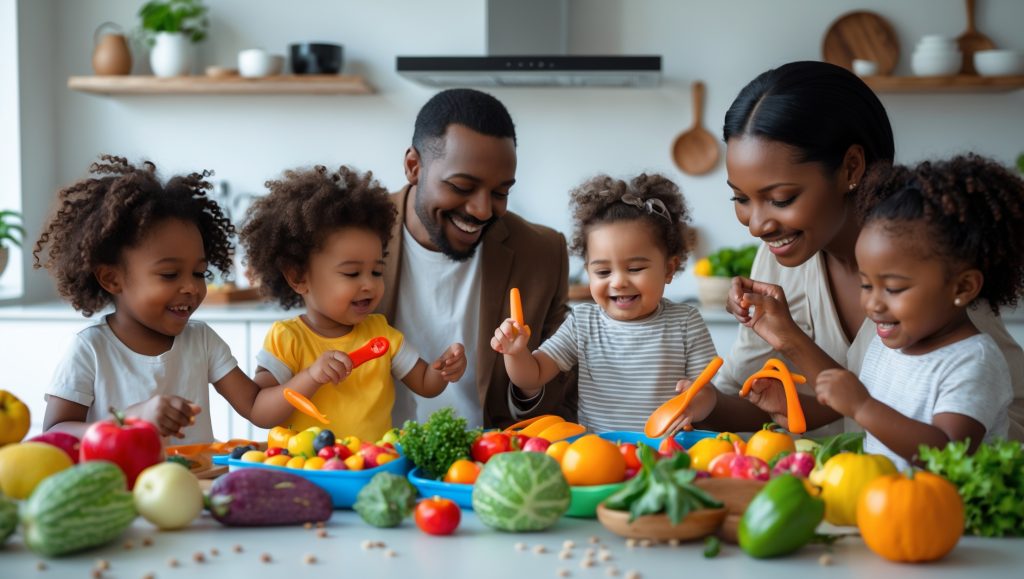
In recent years, families have rediscovered the value of sensory play with food as a creative, hands-on approach to supporting children’s development. Beyond mealtimes, food-based sensory play offers opportunities for children to explore textures, colors, smells, and even tastes—laying the groundwork for lifelong healthy eating habits and positive associations with food. Whether you’re introducing a baby to their first purees or encouraging a picky toddler to engage with new foods, sensory play can be a joyful part of your family’s daily rhythm. This guide explores the benefits, provides age-appropriate activity ideas, reviews safety considerations, and answers common questions for parents embracing sensory-rich food experiences in 2026.
Why Sensory Play with Food Matters
Supporting Developmental Milestones
Sensory play with food encourages children to use all five senses—touch, taste, smell, sight, and hearing (think of the crunch of fresh carrots or squish of mashed potatoes). By manipulating, smelling, and tasting different foods, children develop fine motor skills, hand-eye coordination, and oral-motor abilities. This type of play can also reduce anxiety around unfamiliar textures or flavors, paving the way for more adventurous eating as they grow.
Fostering Positive Food Relationships
Children are naturally curious, and sensory play lets them experiment safely with new foods without the pressure to eat. This exploration helps them build confidence and autonomy while forming positive associations with mealtimes. When families join in, it becomes a shared experience that strengthens bonds and creates lasting memories.
Encouraging Language and Social Skills
Describing the colors, shapes, and textures of different foods enhances vocabulary and communication skills. Collaborative play also nurtures cooperation, turn-taking, and social-emotional development as children and caregivers interact, laugh, and learn together.
Age-Appropriate Sensory Food Play Ideas
For Babies (6–12 Months)
- Textured Puree Exploration: Place small amounts of smooth and lumpy purees (such as sweet potato, banana, or avocado) on a highchair tray. Allow babies to touch, squish, and even taste at their own pace.
- Edible Finger Paints: Mix unsweetened yogurt with natural food coloring or pureed fruits for safe, edible painting on paper or trays.
- Soft Fruit Mash: Offer pieces of ripe banana or steamed carrot for babies to grasp, squish, and mouth under supervision.
For Toddlers (1–3 Years)
- Build-a-Face Plates: Use cut vegetables, fruits, and whole grain crackers to create funny faces or animals on a plate. Encourage toddlers to assemble and rearrange the pieces before eating.
- Rainbow Rice or Pasta: Dye cooked rice or pasta with vibrant, food-safe colors and let children scoop, pour, and sort by color. This supports sorting skills and color recognition.
- Crunchy vs. Squishy Sorting: Provide a variety of crunchy (bell pepper strips, apple slices) and squishy (avocado, cooked squash) foods for children to sort and describe.
For Preschoolers (3–5 Years)
- DIY Snack Mix Station: Offer bowls of cereals, dried fruit, and seeds for children to mix, scoop, and taste.
- Fruit and Vegetable Stamping: Cut apples, potatoes, or peppers in half for kids to dip in yogurt or natural food coloring and stamp onto paper.
- Texture Treasure Hunt: Hide small, edible items (like blueberries or cooked pasta shapes) in a bowl of oats or rice and let children search for them by touch.
Older Kids and Family Activities
- Bake Together: Knead dough, shape cookies, or decorate cupcakes as a multisensory, collaborative experience.
- Blind Taste Tests: Challenge each other to identify fruits or veggies by feel, smell, or taste while blindfolded.
- Food Art: Create colorful scenes or patterns using cut produce, seeds, and spreads on toast or flatbread.
Safety Considerations for Food-Based Sensory Play
Supervision and Choking Hazards
Always supervise young children during sensory play with food. Choose age-appropriate foods—soft, easy-to-mash items for babies; avoid hard, round, or sticky foods that increase choking risk. Cut food into small, manageable pieces and watch closely for safe handling.
Allergy Awareness
Be aware of any family food allergies and introduce new foods one at a time. Use separate utensils and surfaces for different foods to prevent cross-contact. For group playdates, check with other parents about allergies before selecting foods.
Hygiene and Clean-Up
Wash hands before and after play. Clean surfaces thoroughly, and use food-safe containers and utensils. Set up sensory play in easy-to-clean spaces, like the kitchen or outdoors, and use smocks or old clothes to minimize mess.
Common Mistakes
- Introducing multiple new foods at once, making it hard to identify any allergic reactions.
- Offering foods that are choking hazards for a child’s age or developmental stage.
- Forcing participation—children may need time to warm up to new textures or smells.
- Using foods with added salt, sugar, or artificial colors that aren’t appropriate for young children.
- Not considering family or group allergies before play sessions.
- Overlooking the importance of supervision, especially with younger children.
- Skipping handwashing or safe food handling, which can lead to unnecessary messes or foodborne illness.
Quick Checklist
- Choose age-appropriate, safe foods for play.
- Wash hands and surfaces before and after activities.
- Supervise children at all times during sensory food play.
- Introduce new foods one at a time, especially with babies.
- Check for food allergies (your child, siblings, and playmates).
- Keep play areas easy to clean (e.g., use mats or play outside).
- Use child-safe, non-breakable utensils and containers.
- Let children lead—encourage, but don’t force, participation.
FAQ
+Is sensory play with food messy? How do I manage cleanup?
+What if my child refuses to touch or taste certain foods?
+Are there alternatives for children with food allergies?
+How often should I offer sensory food play?
+Can sensory play help with picky eating?
+Is it okay to use utensils or should children use their hands?
+How can I make sensory food play inclusive for siblings of different ages?
Conclusion
Sensory play with food is more than just a fun activity—it’s a powerful way to nurture your child’s senses, confidence, and relationship with food. When families embrace hands-on exploration, they lay the foundation for lifelong healthy eating habits and joyful mealtimes. With a focus on safety, age-appropriate foods, and pressure-free participation, sensory food play becomes a cherished part of everyday family life. Whether you’re introducing new tastes to a baby, supporting a picky eater, or simply making memories together, these playful experiences are sure to enrich your family’s journey in 2026 and beyond.

Sensory play with food is quickly becoming a cornerstone of family life and child development in 2026, blending nutrition, creativity, and bonding into daily routines. Today’s parents recognize that engaging kids’ senses—touch, taste, smell, sight, and even sound—while preparing and enjoying food cultivates curiosity and confidence. Sensory food play isn’t just about getting little ones to try new flavors; it’s about building lifelong positive relationships with food and each other.
Children who explore with their hands, squishing ripe avocados or swirling yogurt with vibrant berries, develop fine motor skills and a willingness to experiment. These activities can turn picky eaters into adventurous tasters, especially when the whole family participates. For parents, sensory play is a chance to slow down, laugh, and connect without screens or distractions. By making food a multisensory experience, families nurture not just healthy eating habits, but also communication and creativity.
Whether it’s a build-your-own taco night or a playful blindfolded taste test, sensory food activities transform mealtime into memorable moments. In 2026, the kitchen truly is the heart of the home—where learning, laughter, and love are shared around the table.
- Encourage kids to touch, mash, and mix ingredients during meal prep.
- Try colorful, textured foods to spark curiosity and conversation.
- Host family taste tests with new fruits, veggies, or spices.
- Make mealtime playful—think edible art or DIY taco bars.
I want to try sensory play with food for my two-year-old but we are on a tight budget. Are there any affordable grocery staples you recommend for these activities that won’t create a lot of waste?
It’s wonderful that you want to offer sensory play while being mindful of your budget and waste. For a two-year-old, you can use inexpensive staples like cooked pasta, dry rice or oats, and chickpeas—these are safe with supervision and easy to clean up. Reuse dry ingredients by storing them after play, and limit portions to reduce waste. Consider fruits or veggies nearing the end of freshness for messy play, as they would be discarded anyway. Always supervise closely to prevent choking or mouthing of unsafe items. This isn’t medical advice; if you’re concerned, check in with your pediatrician.
The article mentions rainbow rice and pasta for sensory play. Is it safe to store colored rice or pasta and reuse them for future play sessions, or do you recommend preparing a fresh batch each time?
Your focus on safety and hygiene is great. You can safely store colored rice and pasta for repeated sensory play if you let them dry thoroughly after coloring and keep them in airtight containers away from moisture. Always check for mold, odd smells, or signs of spoilage before reusing. Supervise young children closely, as these materials may still pose a choking risk, especially for toddlers under three. If your child has food allergies, be mindful of cross-contamination. This isn’t medical advice; if you have concerns about your child’s safety, check in with your pediatrician.
For travel, do you have advice on how to store dyed rice or pasta safely so that it stays fresh for a few days and does not attract bugs or spills inside our bag?
—keeping sensory materials safe and mess-free while traveling matters a lot. Let dyed rice or pasta dry fully before packing. Store them in airtight plastic containers or sturdy zip-top bags to prevent spills and keep moisture and bugs out. For extra protection, place the bag or container inside a second, sealable bag. Keep the container away from direct sunlight and heat, as this can cause condensation. Remind your child not to eat the sensory materials, and supervise closely, especially with little ones. This isn’t medical advice; if you’re concerned, check in with your pediatrician.
My toddler sometimes gets overwhelmed by certain textures, like squishy fruits or mashed foods. Are there gentle ways to help him become more comfortable with new textures using sensory play, or should we focus on foods he already likes?
It’s completely normal to worry when your toddler seems uncomfortable with certain food textures. To help him adjust, you might start by letting him explore less challenging textures side-by-side with foods he likes—touching, smelling, or playing near them before tasting. Try offering small, manageable amounts on a play tray so he feels in control. Make it a low-pressure, fun activity without expectations to eat. Modeling by handling or tasting new textures yourself can also help. Always supervise closely, especially with foods that could be a choking risk. This isn’t medical advice; if you’re concerned, check in with your pediatrician.
My 2.5-year-old seems extra sensitive to certain textures and sometimes refuses to touch sticky or squishy foods during play. Are there specific sensory food activities for toddlers that work better for kids with these sensitivities, or should we focus on other types of sensory play at this stage?
You’re absolutely right to notice your toddler’s sensitivity—many children feel wary of certain textures at this age. Start with dry or familiar foods (like rice, cereal, or crackers) before introducing anything sticky. Try placing textured foods in sealable bags so your child can squish and explore without direct contact. Offer tools like spoons, tongs, or cookie cutters to let them interact at their own pace. Always supervise closely to ensure safety and avoid choking hazards. This isn’t medical advice; if you’re concerned, check in with your pediatrician.
We often cook traditional dishes from our culture that use lots of herbs and spices. Is it safe to include these flavors in sensory play with our toddler, or should I stick to bland foods for now?
It’s wonderful that you want to share your family’s culinary traditions with your toddler. For sensory play, you can use herbs and spices in small amounts—let your child smell, touch, and even taste mild ones like basil, parsley, or cinnamon, but avoid anything very spicy, salty, or allergenic. Always supervise closely, and introduce new flavors one at a time to watch for any reactions. Be careful with small, hard spices that can be choking hazards. This isn’t medical advice; if you’re concerned, check in with your pediatrician.
We have limited kitchen and storage space. After sensory food play, do you have any recommendations for quickly cleaning up or safely storing leftover materials, especially rice or pasta, for reuse?
It’s completely understandable to want easy cleanup and safe reuse when space is tight. After sensory food play, use a large tray or shallow bin to contain mess and make gathering leftovers easier. For rice or dry pasta, let them air dry if damp, then store in an airtight container out of reach between sessions. Always discard food that’s been in mouths, on the floor, or shows signs of moisture or spoilage to prevent mold or pests. For quick cleanup, a handheld vacuum or damp cloth works well. This isn’t medical advice; if you’re concerned, check in with your pediatrician.
My toddler is very hesitant about touching anything wet or sticky. Do you have suggestions for gently introducing sensory food play to kids who are a bit squeamish with certain textures?
It’s understandable to want to help your toddler feel more comfortable with different textures. Start by offering dry foods like cereal or crackers before gradually moving to slightly damp foods, such as soft fruit slices. Let your child use tools like spoons or tongs at first, so they can explore without direct contact. Keep sessions short, positive, and low-pressure, praising any attempt to interact. Always supervise closely and use age-appropriate foods to prevent choking or allergic reactions. This isn’t medical advice; if you’re concerned, check in with your pediatrician.
I am interested in adding sensory food play to our daily routine, but working parents like us are often short on time. How long do these activities typically take, and can any of them be prepped in advance?
It’s understandable to want activities that fit into a busy schedule. Many sensory food play ideas can be done in just 10–20 minutes, like letting your child explore yogurt with spoons or making faces with cut fruits. You can prep some ingredients ahead, such as washing and chopping veggies or portioning out snacks into small containers. Choose easy-cleanup foods and set up a plastic mat for quick tidying. Always supervise young children, especially if there are small foods that could be a choking hazard. This isn’t medical advice; if you’re concerned, check in with your pediatrician.
My toddler sometimes gets overwhelmed by certain food textures. Are there gentle ways to introduce new textures without causing sensory overload or making mealtimes stressful?
It’s completely understandable to want mealtimes to be positive, especially if your toddler is sensitive to new food textures. Start by offering small amounts of a new texture alongside familiar favorites, allowing your child to touch or play with the food without pressure to taste it. Let them explore at their own pace—sometimes just squishing or smelling is a big step. You might also try playing simple games, like making patterns or faces out of soft and crunchy foods. Always supervise closely to prevent choking and use age-appropriate foods. This isn’t medical advice; if sensory challenges persist or worsen, check in with your pediatrician.
If my child is hesitant to engage in food play but loves their building blocks, should I focus more on educational toys, or is it worth gently encouraging the sensory play with foods?
It’s completely normal to wonder how best to support your child’s interests and development. If your child prefers building blocks, you can certainly keep those in their play rotation, but gently encouraging food-based sensory play is also valuable, as it helps with texture acceptance, fine motor skills, and reducing picky eating. Try starting with dry foods like uncooked pasta or rice for less mess and more familiarity. You might even combine blocks and food, such as using cereal hoops as building pieces. Always supervise closely to ensure safety and avoid choking hazards. This isn’t medical advice; if you’re concerned, check in with your pediatrician.
My child is a bit sensitive to sticky textures and gets anxious around certain foods. Are there ways to adjust these activities or introduce textures more gradually to avoid making them uncomfortable?
It’s completely understandable to want sensory play to feel safe and positive for your child. Start by introducing less sticky foods, like dry cereal or sliced cucumbers, letting your child explore with their hands or utensils. Offer gentle encouragement, but let them set the pace—watch for signs of discomfort and pause if needed. You can also provide a damp cloth nearby so your child can wipe their hands easily. Gradually mix in slightly stickier textures as they become more comfortable, always respecting their limits. These activities are most appropriate with supervision and for children who no longer put non-food items in their mouth. This isn’t medical advice; if you’re concerned, check in with your pediatrician.